A tenant reports that the washing machine has stopped working on a Friday evening. The apartment is furnished, the tenant needs it immediately, and you are managing the property from another country. Who pays for apartment repairs is no longer a theoretical question – it affects tenant retention, your monthly return, and how quickly a small problem becomes an expensive one.
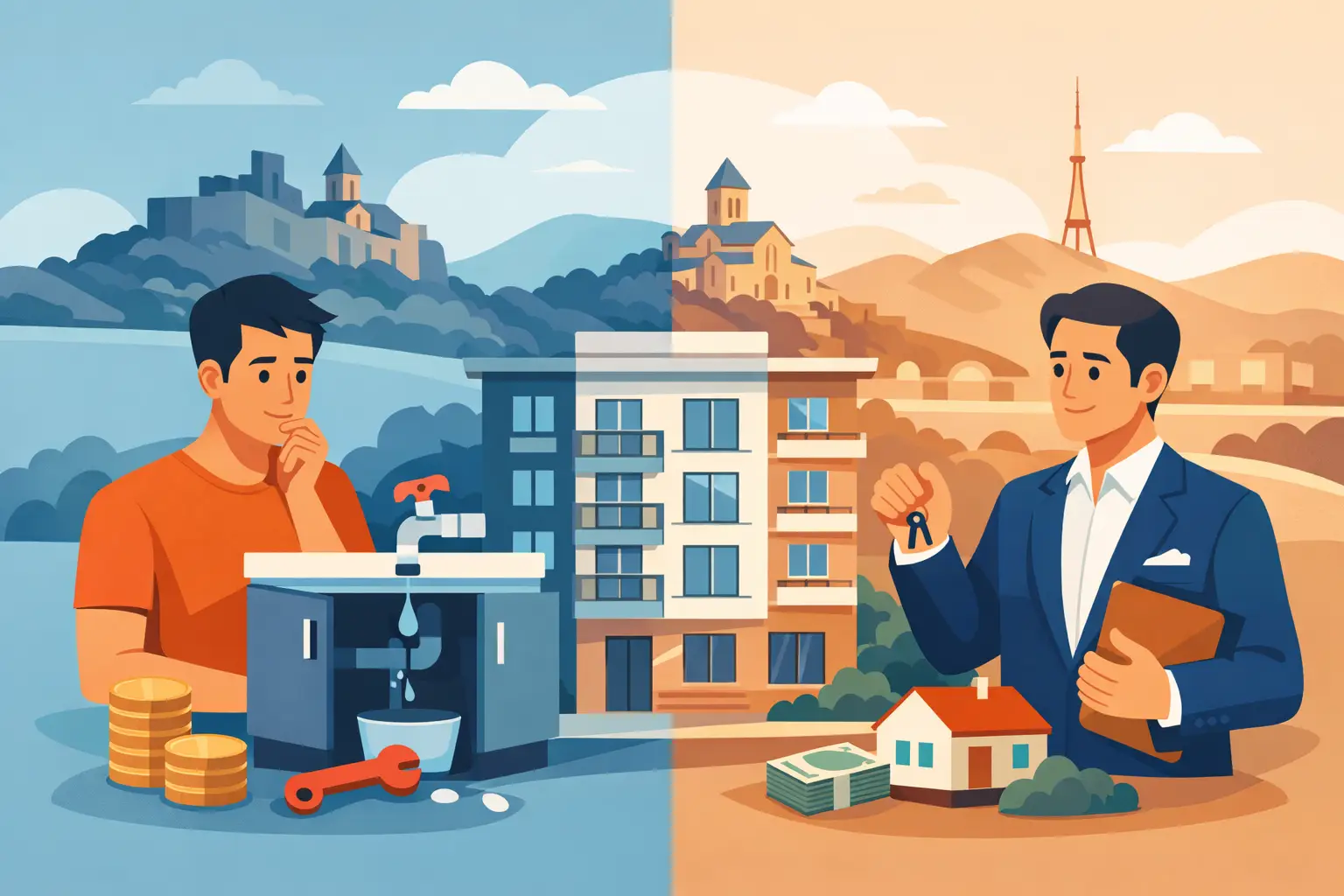
For a Tbilisi rental owner, the practical answer is usually straightforward: the owner pays to keep the apartment safe, functional, and in the condition promised in the lease. The tenant pays when damage results from misuse, negligence, unauthorized alterations, or a failure to report a problem before it gets worse. But the lease, the condition report, and the evidence matter as much as the repair itself.
Who pays for apartment repairs: the basic rule
A rental apartment is an income-producing asset, and the owner is responsible for maintaining the asset. That generally includes the building systems and provided equipment that allow a tenant to use the home normally. If plumbing fails due to age, an air conditioner stops cooling, or a supplied refrigerator reaches the end of its useful life, those are typically owner expenses.
A tenant is not responsible simply because they were living in the apartment when something broke. Appliances wear out. Pipes leak. Water heaters fail. Normal wear and tear is part of owning rental property and should be planned for in the operating budget.
The calculation changes when the cause is tenant action. A broken interior door after an impact, blocked plumbing caused by inappropriate items flushed into the system, a damaged sofa, or an appliance harmed through improper use may be charged to the tenant. The key word is may. Before deducting from a security deposit or requesting payment, confirm the cause, document the condition, and follow the lease terms.
Owner repairs that protect the property and the rent
Owners should expect to pay for repairs connected to ordinary deterioration, hidden defects, original installation issues, and failures of supplied systems. In a furnished Tbilisi apartment, this often covers air conditioners, boilers, washing machines, refrigerators, cooktops, plumbing fixtures, electrical outlets, locks, and furniture that has simply reached the end of its reasonable life.
Some repairs cannot wait for a discussion about fault. Active water leaks, electrical hazards, a failed exterior lock, loss of heating or hot water, and major drainage problems need a rapid response. First protect the resident and the apartment. Then determine the cause and allocate the cost properly.
This approach is not generosity. Delayed maintenance puts rent at risk. A small leak can damage flooring, cabinets, neighboring units, and the building relationship. A tenant left without a functioning essential appliance may decide not to renew. Fast action preserves the asset and keeps a good tenant from becoming an avoidable vacancy.
New-build apartments require a different check
Investors in newer Tbilisi developments should not assume every issue is an owner-funded repair. Some defects may be covered by a developer, contractor, appliance supplier, or building warranty. Warranty coverage can reduce your direct expense, but it often requires timely reporting, photographs, invoices, and follow-up with the responsible party.
That is why handover records matter. Keep copies of warranties, appliance serial numbers, developer contacts, and a detailed move-in inventory. A local manager can coordinate the repair while also pursuing the appropriate warranty route, rather than leaving a tenant waiting for weeks while responsibility is debated.
When the tenant should pay
A tenant should be accountable for damage beyond normal use. This includes avoidable damage caused by carelessness, misuse, guests, pets when not permitted, or unauthorized work performed in the apartment.
For example, if a tenant breaks a glass cooktop by dropping a heavy object on it, damages walls while installing shelves without approval, loses keys and requires a lock replacement, or ignores a visible leak until it causes substantial water damage, the cost can reasonably fall on the tenant. The owner should still organize urgent work promptly. Recovering the expense and resolving the emergency are separate tasks.
The distinction between damage and wear is where disputes often begin. Faded paint, a worn mattress, minor scuffs, and a washing machine that fails after years of normal use are not the same as deliberate or negligent damage. Charging tenants for ordinary aging can create conflict, delay move-out, and weaken your position if a deposit dispute arises.
The lease decides the gray areas
Not every apartment expense fits neatly into an owner-versus-tenant category. A clear lease removes uncertainty before a maintenance request happens.
Your agreement should state who handles minor consumables and routine tasks, such as replacing light bulbs, batteries, remote-control batteries, and smoke detector batteries where applicable. It should define the tenant’s duty to keep the apartment clean, ventilated, and reasonably maintained. It should also require tenants to report defects quickly and prohibit unapproved repairs or alterations.
Utility responsibilities deserve the same clarity. A tenant may pay for electricity, gas, water, internet, and building fees as agreed in the lease, but utility payment responsibility is different from repair responsibility. If the water heater fails, the fact that the tenant pays the gas bill does not automatically make the tenant responsible for replacing the unit.
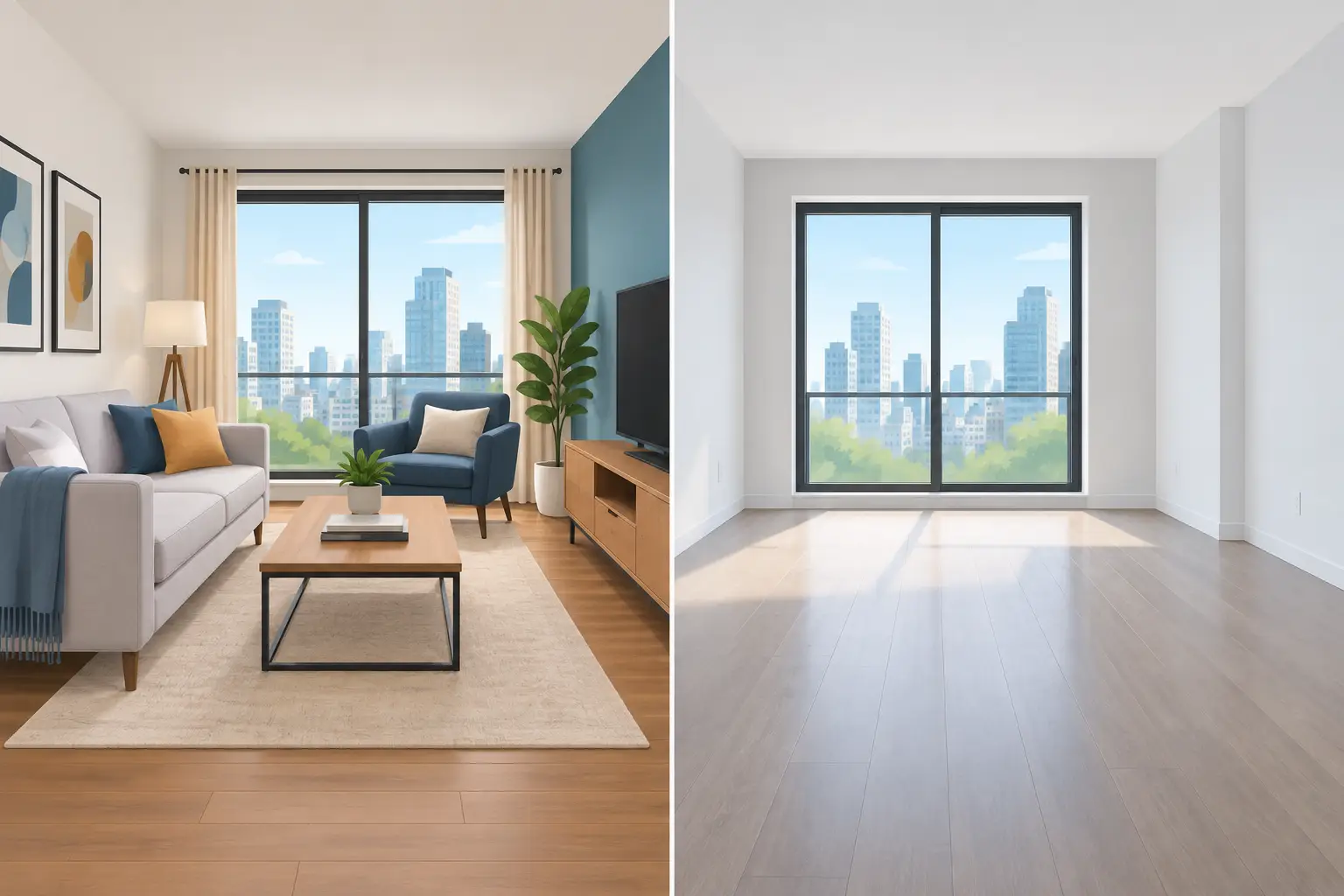
For furnished rentals, attach a signed inventory with photographs. List appliances, furniture, electronics, keys, meters, visible defects, and the condition of each item. At move-out, that record gives both parties a fair basis for deciding whether a deduction is justified.
A practical repair process for remote owners
Remote ownership fails when every repair becomes an improvised negotiation across time zones. Set a process that tenants understand from day one.
First, require the tenant to report the issue promptly with photos or video, a short description, and confirmation of whether the problem is urgent. Second, assess whether immediate access is needed to prevent damage or address a safety issue. Third, send a qualified technician, obtain a diagnosis, and keep the invoice and service report.
If the technician identifies tenant-caused damage, share the finding with the tenant in writing. Explain the expected cost, the relevant lease provision, and whether payment is due immediately or will be addressed through the deposit at move-out. Do not rely on verbal conversations alone.
For larger expenses, obtain a second quote when time allows. For emergencies, speed is usually more valuable than a small saving. A 100 GEL difference in a repair invoice is rarely worth the risk of a prolonged leak, an unhappy tenant, or a damaged reputation with the building administration.
Budget for repairs before they happen
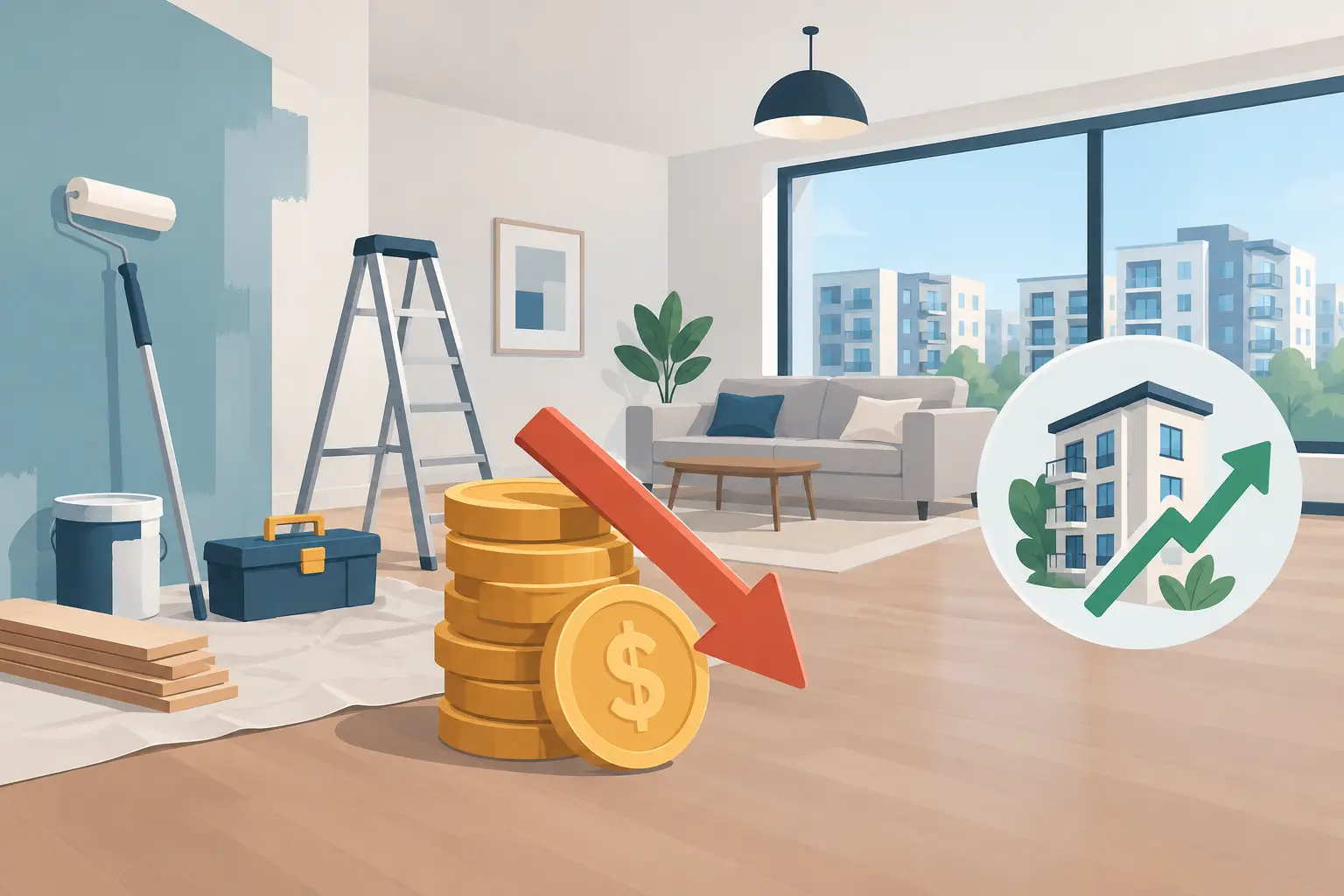
Repair costs are not a sign that an investment is failing. They are part of operating a rental apartment professionally. Owners should maintain a repair reserve, especially for furnished units where appliances and furniture are central to the rental value.
The reserve should reflect the apartment’s age, finish quality, appliance condition, tenant profile, and whether the unit is a short-term or long-term rental. A newly renovated apartment may need less immediate spending but can still face costly failures. An older unit may produce dependable rent while requiring more regular maintenance.
The goal is not to eliminate every repair expense. The goal is to prevent surprises from interrupting cash flow or causing rushed decisions. Replacing a failing appliance before it collapses completely can be cheaper than handling an emergency call, compensating a tenant, and losing rental days.
The cost of getting repairs wrong
Owners sometimes try to shift every expense to the tenant. That can save money once, but it creates the wrong incentives. Good tenants expect a functional home and respond well when legitimate issues are handled quickly. They are more likely to renew, care for the property, and report minor defects early.
The opposite mistake is paying every claim without investigation. That invites unnecessary costs and makes it difficult to recover legitimate tenant damage. The right position is firm and documented: maintain what you own, hold tenants accountable for what they damage, and keep records that support every decision.
Property Management Georgia coordinates maintenance locally, documents repair decisions, and keeps owners informed without making them chase technicians, tenants, or invoices from abroad. For an investor, that turns repairs from a recurring interruption into a controlled operating process.
A well-managed apartment does not avoid repairs. It handles them fast, fairly, and with enough evidence that the next decision is simple.