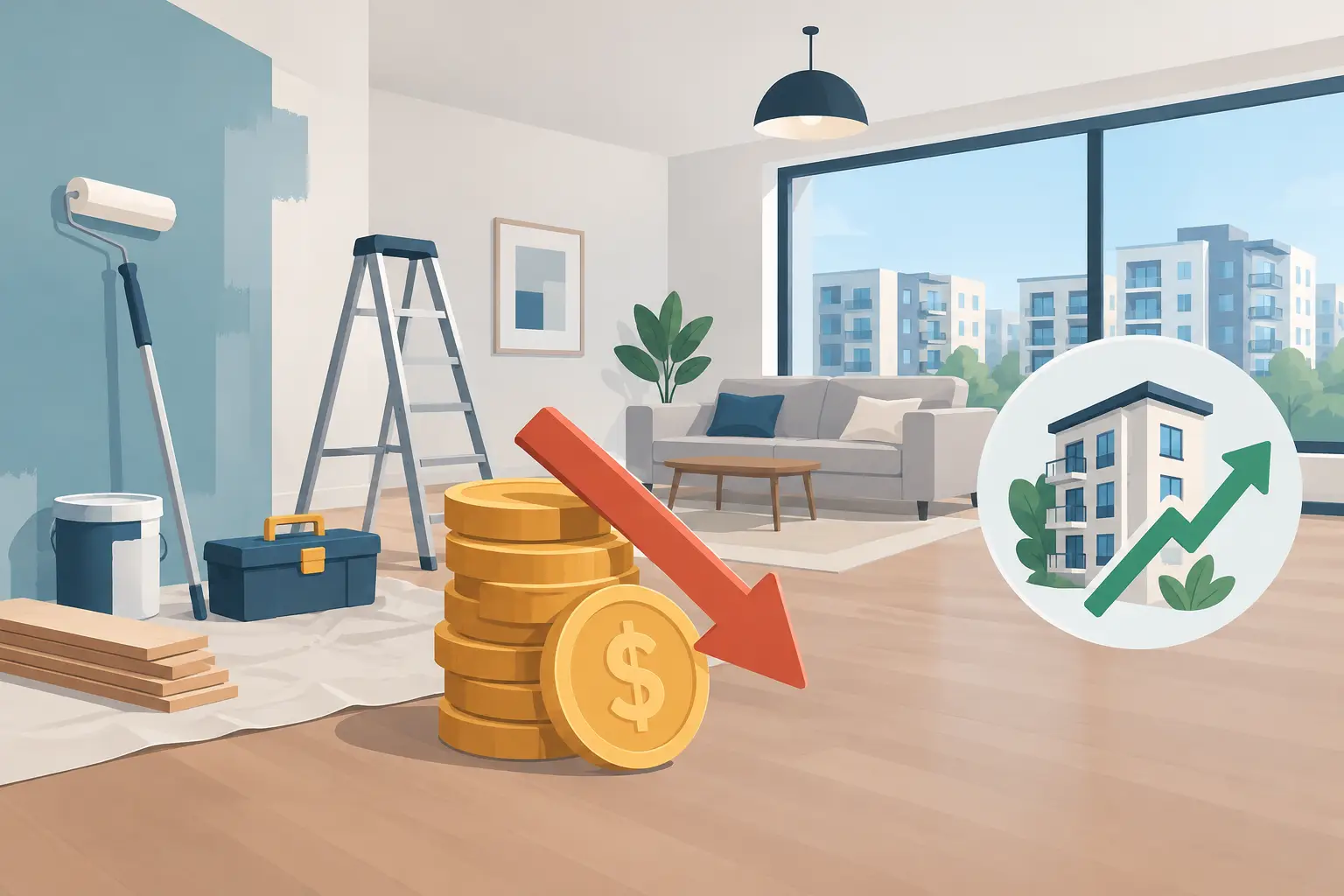
A vacant apartment is not just an empty unit. Apartment turnover costs begin the day a tenant gives notice and continue until the next qualified tenant has moved in and paid rent. For a remote owner in Tbilisi, small delays can turn a profitable rental into a month of lost income, rushed repairs, and avoidable stress.
The goal is not to eliminate turnover. Every rental eventually changes hands. The goal is to control the process, protect the apartment, and return it to income-producing condition quickly without accepting the wrong tenant just to fill a vacancy.
What apartment turnover costs really include
Many owners budget for cleaning and a new listing, then discover the real cost is much larger. Turnover has two components: direct expenses paid to prepare and lease the apartment, and lost revenue while the unit is vacant. The second is often the most expensive.
Direct expenses commonly include an inspection, deep cleaning, minor repairs, replacement of damaged or worn items, lock or key updates, utility charges during vacancy, professional photos, advertising, and leasing administration. In furnished Tbilisi apartments, missing kitchenware, damaged linens, worn mattresses, faulty air conditioners, and appliance issues can also add up quickly.
Lost rent should be measured honestly. If an apartment rents for 2,000 GEL per month and sits empty for 20 days, the vacancy cost is roughly 1,333 GEL before a cleaner, technician, or leasing fee is paid. A unit that looks ready but has a broken washing machine or poor listing photos can remain vacant longer than expected.
There is also an opportunity cost. When an owner delays approving a repair, comparing quotes from abroad for several days, serious prospects move on. Fast decisions matter, but they must be supported by a local operator who can inspect the issue, document the work, and keep spending accountable.
The costs that owners often miss
A tenant leaving does not automatically mean the tenant caused every issue found in the apartment. Normal wear is part of owning a rental. Paint fading over time, a loose cabinet hinge, or an aging appliance may be an owner expense even when the tenant cared for the property properly. Trying to charge every item to a departing tenant can create disputes and delay the handover.
At the same time, failing to document the apartment at move-in and move-out leaves owners exposed. Without dated photos, inventory records, meter readings, and a clear condition report, it is harder to separate normal wear from actual damage. That uncertainty can lead to unrecovered costs or unnecessary arguments.
Furnished units require particular discipline. A missing remote control may be inexpensive, but several small replacements can become a meaningful bill. A stained sofa or damaged dining chair can also affect the quality of listing photos and the type of tenant the apartment attracts. Replacing items only when they fail may seem economical, yet an apartment that looks tired can command less rent and take longer to lease.
Utility transitions are another common blind spot. Owners should confirm meter readings, outstanding balances, internet service status, and whether building or condominium charges continue during vacancy. These are small operational details, but missed handovers can become difficult to resolve after a new tenant moves in.
Build a turnover budget before notice arrives
A practical turnover budget is based on the apartment’s actual condition, rental level, furnishing standard, and tenant profile. A compact, well-maintained new-build apartment may need little more than cleaning and a few touch-ups. An older or heavily furnished unit may need periodic repainting, appliance service, or furniture replacement between tenancies.
Rather than treating these costs as surprises, reserve a portion of rental income for them. The right amount depends on the asset, but owners should track expenses by category over multiple turnovers. After one or two leasing cycles, patterns become clear. You may find that cleaning is predictable, while air conditioning service or furniture replacement is the real recurring exposure.
Your operating budget should account for four separate items:
- vacancy days between tenants
- cleaning, repair, and replacement work
- leasing and marketing costs
- a reserve for larger wear-and-tear items
Keeping these categories separate matters. A low repair bill can still be a poor result if the unit was vacant for six weeks. Conversely, spending more on prompt repairs and presentation may be the better financial decision if it reduces vacancy and preserves the achievable rent.
Reduce vacancy without cutting standards
The fastest way to reduce turnover cost is to begin before the tenant leaves. Once notice is received, schedule a preliminary inspection where permitted by the lease and with appropriate tenant coordination. This gives the manager time to identify repairs, order parts, arrange vendors, and prepare the listing while the current tenant is still in place.
The outgoing tenant should receive clear handover instructions: cleaning expectations, key return procedure, utility settlement requirements, inventory obligations, and the date and time for final inspection. Clear communication reduces last-minute disputes and helps the next phase begin on schedule.
Marketing should also start early when the apartment can be shown appropriately. Accurate photos, a clear description, realistic pricing, and prompt responses to inquiries are not cosmetic details. They determine how quickly qualified prospects enter the pipeline.
Price discipline is essential. Setting rent too high can create a long vacancy that costs more than a modest adjustment would have. Setting it too low may fill the apartment quickly but permanently reduce income and attract applicants who are not the right fit. The right asking price depends on current demand, the building, location, condition, furnishings, and comparable available units – not simply the rent paid by the last tenant.
A fast turnover must still protect the asset
Owners should not confuse speed with shortcuts. Skipping tenant screening because a unit has been vacant for a few weeks can create a much larger loss later through missed payments, damage, complaints, or an early vacancy. A qualified tenant who stays and pays consistently is usually more valuable than the first applicant willing to move in.
The same applies to repairs. The cheapest quote is not always the lowest turnover cost. A technician who fixes a plumbing issue correctly, arrives when promised, and provides clear scope confirmation may be better value than repeated low-cost callouts. For remote owners, proof of work matters: photos before and after, receipts, clear expense records, and confirmation that the apartment is ready for marketing or move-in.
Property Management Georgia approaches turnover as an operating process, not a last-minute cleanup. The apartment is inspected, work is coordinated locally, tenant communication is handled, and the unit is prepared to return to the market with its condition and income potential protected.
Know when to refresh and when to replace
Not every turnover requires a renovation. Over-improving a standard rental can delay relisting and create costs that the market will not repay. But repeatedly patching visible defects can weaken the apartment’s position against newer competing units.
Use the next tenant’s decision-making process as the test. Does the item affect cleanliness, function, safety, or the first impression created by listing photos and viewings? If it does, repair or replace it promptly. Peeling paint near the entry, a noisy air conditioner, poor lighting, or mismatched worn furniture can make an otherwise good unit feel neglected.
For higher-end apartments, presentation standards are less forgiving. Tenants paying a premium expect working appliances, clean bathrooms, fresh linens where provided, and furniture that matches the advertised quality. A premium asking rent should be supported by a premium handover condition.
Measure turnover so each vacancy improves
Track the date notice is received, final inspection date, work completion date, listing launch, number of inquiries, viewings, approved applicant date, and move-in date. Then record every expense and any days of rent lost. This turns a vague sense that turnover was expensive into information you can manage.
Review the numbers after each vacancy. If cleaning costs rise, inspect the move-in standards and tenant instructions. If vacancy days are increasing, review pricing, photos, response time, and the apartment’s condition. If repair bills repeat, consider whether replacement is cheaper than ongoing patchwork.
A rental apartment performs best when its turnover is planned, documented, and handled with urgency. Keep a reserve, insist on condition records, make decisions quickly, and protect screening standards. That is how an empty apartment becomes a controlled operating event rather than a surprise hit to your return.