A rental unit can look clean, occupied, and profitable while a leaking washing machine connection, weak bathroom ventilation, or damaged entry lock is quietly reducing its value. For remote owners, these are not minor details. They can become repair bills, tenant disputes, vacancy days, and preventable losses.
Knowing how to inspect rental units is part of protecting rental income in Tbilisi. A proper inspection is not a quick walk-through to see whether the apartment looks acceptable. It is a repeatable operating process: check the asset, identify changes early, document facts, assign repairs, and confirm that the work is completed.
When to inspect a rental unit
The best inspection schedule depends on the unit, tenant profile, building condition, and lease terms. There is no value in visiting so often that good tenants feel disrupted. But waiting until move-out leaves an owner with too little time to prevent damage or plan repairs.
For most furnished apartments, inspections should happen at four practical moments: before a tenant moves in, shortly after move-in if needed to resolve early issues, periodically during the tenancy with proper notice, and immediately after move-out. The move-in and move-out inspections are the most important because they establish the condition of the apartment at each handover.
A higher-frequency schedule may make sense for a newly renovated unit, an apartment with expensive furniture, or a property where previous maintenance problems have occurred. Older buildings may also require closer attention to plumbing, electrical equipment, balconies, windows, and common-area conditions that can affect the unit.
The objective is not to look for reasons to challenge the tenant. Good inspections protect both sides. A tenant gets repairs handled before they become disruptive, while the owner receives a clear record of the property’s condition.
Prepare before you enter the apartment
A useful inspection begins before anyone opens the door. Review the previous inspection report, move-in photos, repair history, tenant messages, inventory list, and any open maintenance requests. This gives the inspection a purpose. Without that baseline, it is easy to overlook a new stain, missing item, or recurring problem.
Use the same inspection checklist every time. Consistency matters more than a complicated form. The checklist should cover each room, fixed equipment, furniture, appliances, utility meters where accessible, doors, windows, and safety-related items.
Confirm the inspection with the tenant according to the lease and applicable notice requirements. Explain the reason for the visit and the expected time window. This is a simple but important part of professional tenant management. Surprise visits create friction and can make a routine inspection feel adversarial.
Bring a phone or camera with sufficient storage, a flashlight, a charger or outlet tester where appropriate, and access to the prior condition report. For furnished rentals, bring the inventory list as well. The goal is to leave with evidence, not just impressions.
How to inspect rental units room by room
Start at the entrance and move through the apartment in the same order every time. A consistent route reduces the chance that something gets skipped and makes reports easier to compare over time.
Check the entry, doors, and windows
Test the main entry door, lock, handle, peephole, and intercom. Confirm that keys, access cards, and remotes are accounted for. Check interior doors for loose handles, damaged frames, sticking hinges, or signs that moisture has swollen the wood.
Open and close windows. Look for cracked glass, damaged seals, difficult locks, and water marks around frames. In Tbilisi, poor window sealing can affect tenant comfort and utility costs, especially during colder months or in apartments exposed to wind and rain.
Balconies deserve close attention. Check drainage, railings, tiles, exterior lighting, and visible cracks. Do not treat a balcony as decorative space only. Water penetration and loose materials can become costly building and safety issues.
Inspect kitchens and bathrooms with extra care
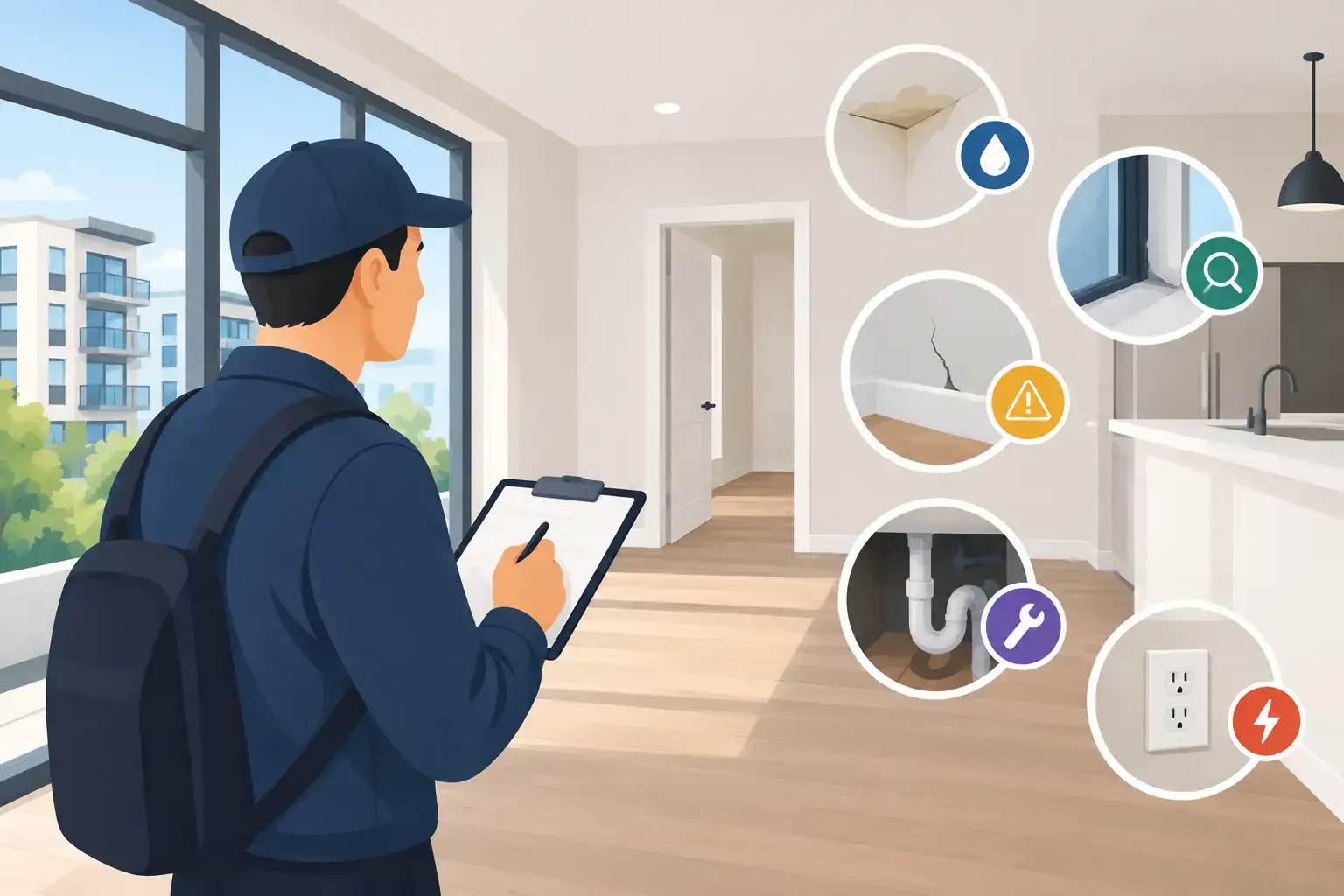
Water causes some of the most expensive rental-property problems. Run taps in the kitchen and bathrooms, then look under sinks for drips, corrosion, damp cabinet panels, or loose pipes. Flush toilets and check whether they continue running. Test shower pressure, drainage, and hot water.
Look carefully around silicone seals, shower screens, tile grout, washing machine connections, and water heaters. Mold, peeling paint, a musty odor, or warped cabinetry can indicate a ventilation or leak issue that needs action now, not at the next turnover.
In the kitchen, test the stove, oven, hood, refrigerator, dishwasher if provided, and washing machine. Check refrigerator door seals and look behind appliances when practical. A small leak behind a washing machine can damage flooring and affect the unit below before anyone reports it.
Test systems, not just appearances
Turn lights on and off in every room. Check outlets where safe and appropriate. Test heating, air conditioning, and ventilation equipment in the operating mode relevant to the season. Listen for unusual noise, poor airflow, or inconsistent performance.
Inspect smoke detectors or other installed safety equipment and replace batteries where needed. If the unit has gas appliances, water heaters, or heating equipment, use qualified professionals for servicing and safety checks. An inspection can identify a concern, but it should not replace technical work by a licensed or qualified technician.
Look up as well as down. Ceiling discoloration may indicate a leak from the apartment above. Loose flooring, lifted laminate, cracked tiles, and soft spots can signal moisture or subfloor problems. These issues are easy to miss when attention stays on furniture and décor.
Verify furniture and inventory
For furnished units, compare every provided item against the signed inventory. Check beds, mattresses, sofas, tables, chairs, wardrobes, curtains, televisions, and kitchenware. Photograph damage, missing items, and normal wear separately.
That distinction matters. A small amount of wear from ordinary use is expected in any rental. Damage beyond normal use should be documented objectively, with clear photos and descriptions, rather than assumptions. The report should state what is present: for example, “two scratches on dining table surface” is more useful than “table damaged.”
Speak with the tenant while you are there
A short conversation often reveals problems that a visual check will not. Ask whether any appliance is unreliable, whether there are odors, noise concerns, drainage issues, water pressure changes, or building access problems. Tenants may delay reporting a minor issue because they think it is not serious or do not want to be inconvenienced by repairs.
Listen without making promises you cannot keep. If a repair needs assessment, say so and set the next step. A clear response is better than an immediate guess. Good tenants stay longer when maintenance requests are handled professionally and communication is reliable.
Document the inspection so it can be acted on
An inspection only protects the owner if the findings are organized. Date every report and include the unit address, attendees, room-by-room observations, photos, and required follow-up. Time-stamped photos and short videos are particularly valuable at move-in and move-out.
Separate findings into three categories: urgent safety or water issues, repairs that should be scheduled promptly, and cosmetic or future-turnover items. This prevents a loose cabinet handle from receiving the same treatment as an active leak or faulty lock.
Each repair should have an owner, deadline, and completion record. “Send plumber” is not a management system. A workable record identifies the vendor, scope of work, approval amount, scheduled date, invoice, and confirmation that the repair was completed satisfactorily.
For remote investors, this documentation is what turns local activity into control. You should be able to see what was found, why work was authorized, what it cost, and whether the property was returned to good operating condition.
Decide what to repair now and what to plan for later
Not every defect requires an immediate full replacement. A worn sofa may remain functional, while a leaking appliance connection cannot wait. The right decision depends on safety, risk of further damage, tenant impact, cost, and expected return from the repair.
Prioritize anything involving water, electrical safety, access security, heating, or essential appliances promised in the lease. Then address issues that affect tenant retention, such as malfunctioning air conditioning, poor lighting, damaged furniture, or persistent odors. Cosmetic upgrades can often be grouped into a turnover plan to reduce disruption and vendor call-out costs.
Property Management Georgia approaches inspections as active asset stewardship, not passive reporting. The purpose is to catch small issues when they are still manageable, keep tenants comfortable, and protect the condition that supports reliable rent.
A well-run inspection should leave the apartment safer, the tenant better supported, and the owner clearer on exactly what is happening inside the asset. That is the standard worth maintaining, whether you own one apartment in Tbilisi or a growing rental portfolio.