
A vacant apartment in Tbilisi is not just an empty unit. It is carrying costs, lost rent, and an open question about who will occupy your asset next. This apartment leasing process guide is built for owners who want the unit rented quickly without accepting the wrong tenant, weak paperwork, or avoidable maintenance problems later.
For an overseas owner, the process is rarely difficult because of one major task. It becomes difficult when dozens of small decisions require local judgment: setting the asking rent, answering inquiries, checking a prospective tenant’s reliability, collecting funds correctly, documenting the apartment’s condition, and remaining available after move-in. A controlled leasing process protects occupancy and protects the return you expected when you bought the property.
Start With a Rent Price the Market Can Support
The first mistake is pricing from expectation rather than evidence. A new-build apartment, a central address, or high-quality furniture may justify a premium, but only if comparable units are actually leasing at that level. An apartment that sits vacant for several weeks can cost more than a modest adjustment to the monthly rent.
Review comparable listings by neighborhood, building quality, apartment size, furnishing level, floor, parking availability, and lease term. Vake, Saburtalo, Chugureti, Ortachala, and the city center do not attract the same tenant profile or command the same rate. Even within one district, a professionally furnished unit in a managed building can perform very differently from an older apartment a few streets away.
The right price is a balance. Price too high and you lose time and negotiating leverage. Price too low and you reduce income for the entire lease period and may attract applicants who are not a good fit for the property. A local manager should reassess response volume, viewing feedback, and competing inventory rather than leaving an underperforming listing unchanged.
Prepare the Unit Before Marketing It
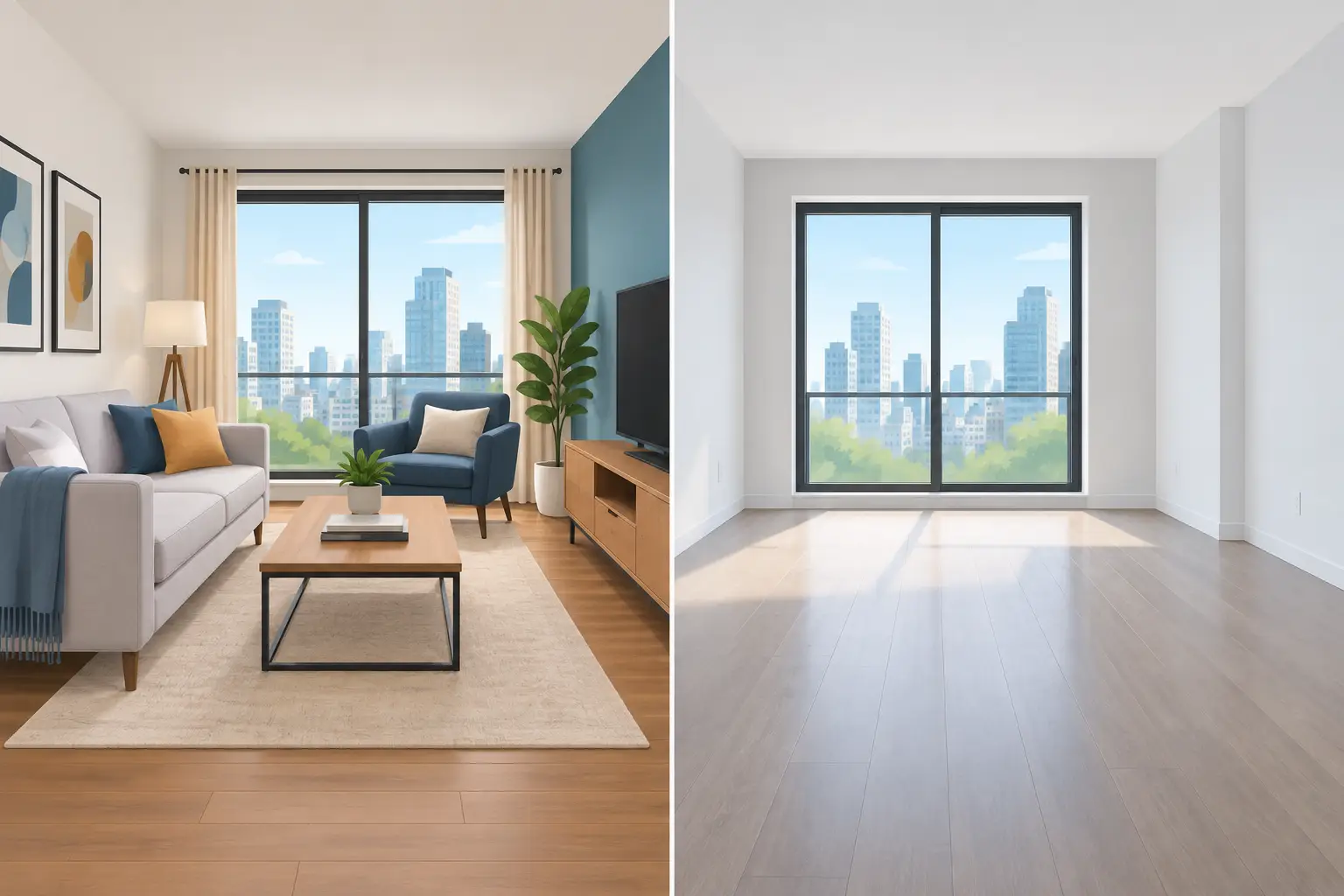
Tenants decide quickly, especially when they are comparing several furnished apartments in one afternoon. The apartment should be clean, fully functional, and ready to hand over before advertising begins. Marketing a unit while repairs are incomplete creates uncertainty and often leads to discounts or a delayed move-in.
Check every working system: plumbing, water heater, heating and cooling, appliances, lights, locks, internet readiness, and remote controls. Replace worn linens, damaged kitchen items, missing lightbulbs, or visibly tired accessories where appropriate. These are small costs compared with the value of presenting a move-in-ready apartment.
Create a written inventory and take dated photos or video of each room, appliance, meter reading, key, and existing defect. This step matters at move-out. Without a clear condition record, a dispute over damage becomes your word against the tenant’s. For a remote owner, proper documentation is one of the most valuable forms of control.
Apartment Leasing Process Guide: Market With Purpose
Good leasing marketing is not simply posting photos and waiting. Your listing should answer the questions qualified renters ask before they contact you: Where is the apartment? What is included? Is it furnished? What is the monthly rent, deposit, and minimum lease period? Are pets, smoking, or subletting permitted? Who pays utilities and building fees?
Professional photos are worth the effort, but they must accurately show the apartment. Bright, orderly images attract more serious inquiries and reduce wasted viewings. Include the strongest features first, whether that is a balcony view, a well-equipped kitchen, a building amenity, dedicated parking, or proximity to business districts and transport.
Response speed also affects results. A qualified tenant can rent another unit while an owner abroad is asleep or deciding how to reply. Local handling allows inquiries to be answered, viewings to be scheduled, and feedback to be captured quickly. This is not about rushing into a lease. It is about keeping momentum while the prospect is actively looking.
Screen for Reliability, Not Just a Fast Signature
The best applicant is not always the first person willing to pay the asking price. Tenant selection should focus on whether the applicant is likely to pay on time, respect the apartment, communicate clearly, and complete the agreed lease term.
Ask practical questions about employment or income source, expected occupancy, desired move-in date, lease length, reason for moving, and whether anyone else will live in the apartment. For corporate tenants, expatriates, students, and local professionals, the supporting documents may differ. The standard should remain consistent: verify enough information to make a responsible decision.
A screening process can include identity verification, proof of income or employment, previous landlord references where available, and clear discussion of the tenant’s obligations. The depth of screening depends on the applicant and lease value. A short-term arrangement may require a different risk assessment than a one-year lease, but skipping review entirely is rarely a good trade-off.
Be careful not to confuse politeness with reliability. A respectful conversation is useful, yet it does not replace documentation, a deposit, or a properly signed agreement. The goal is fair, consistent qualification that reduces the chance of late payments, unauthorized occupants, and early departure.
Set Clear Terms Before the Keys Change Hands
The lease agreement should reflect how the apartment will actually be managed. Vague terms invite disagreements. Before signing, both parties should understand the rent amount, due date, security deposit, lease duration, renewal process, utility responsibilities, building charges, maintenance reporting procedure, notice requirements, and rules on subletting or alterations.
The agreement should also state what happens when rent is late and how damage beyond normal wear will be addressed. Local legal requirements and the specific circumstances of the tenancy matter, so owners should use documentation appropriate for Georgia and obtain qualified local guidance when a situation requires it.
Collect agreed funds before handover and maintain a clear payment record. A deposit is not a substitute for a move-in inspection, but it gives the owner a defined layer of protection if the apartment is returned with unpaid bills or tenant-caused damage. Keep records organized from day one, including the signed lease, identity documents, payment confirmations, inventory, and inspection evidence.
Conduct a Controlled Handover
Move-in day is where promises become an operating relationship. Meet the tenant at the property, review the inventory and condition report, explain key systems, confirm utility meter readings, and hand over the agreed number of keys or access devices. The tenant should know whom to contact when an issue occurs and what information to provide.
This is also the right time to explain the difference between an emergency and a routine repair. A water leak, electrical hazard, or access problem needs immediate attention. A minor cosmetic issue may be scheduled. Clear communication helps prevent frustration and keeps maintenance costs under control.
For remote investors, a local point of contact is essential. A tenant should not be left trying to coordinate contractors through an owner in another time zone. Fast, documented response protects the tenant experience and prevents a small issue from turning into costly damage.
The Leasing Process Continues After Move-In
A signed lease is not the finish line. Stable rental income depends on rent collection, communication, maintenance coordination, and consistent enforcement of the agreement. Owners who disappear after handover often discover problems only when a payment is missed or the apartment needs significant repair.
Use a defined collection process with payment due dates, reminders, follow-up, and records. Address tenant concerns promptly, but do not allow informal exceptions to replace the lease terms. If a tenant reports an issue, document it, assess the cause, coordinate the right vendor, and retain invoices and communication history. This creates accountability for both the tenant and the property manager.
Periodic inspections can be appropriate, particularly for longer leases or units with expensive furnishings. They should be handled professionally and according to the agreed access terms. The purpose is not to interfere with the tenant’s home. It is to identify leaks, misuse, maintenance needs, or developing problems before they affect the asset’s condition.
When Professional Leasing Management Pays Off
Self-managing can work for an owner who is in Tbilisi, speaks with tenants directly, understands the local rental market, and has time to coordinate every showing, repair, and payment question. It becomes less practical when the owner lives abroad, owns multiple units, or wants the investment to operate without constant personal attention.
Property Management Georgia manages the operational work that determines whether an apartment performs as planned: market positioning, tenant communication, qualification, lease execution, rent collection, maintenance coordination, and issue resolution. The value is not simply filling a vacancy. It is reducing the operational gaps that can erode income and create risk.
Treat each lease as the start of a managed business relationship, not a one-time transaction. A qualified tenant, documented handover, and responsive local oversight give your Tbilisi apartment a better chance to remain occupied, protected, and productive.