A low purchase price can disappear quickly when a building has persistent water leaks, unreliable elevators, poor common-area upkeep, or unfinished systems that tenants notice on move-in day. An apartment building quality review gives Tbilisi investors a practical way to assess more than a unit’s finishes. It helps determine whether the property can support stable occupancy, controlled operating costs, and reliable rental income.
For an overseas buyer, this review is not about finding a perfect building. Every asset has trade-offs. It is about identifying which issues are manageable, which ones affect tenant demand, and which could turn a seemingly attractive apartment into a recurring cost center.
Why Building Quality Directly Affects Your Return
Tenants rent the apartment, but they experience the entire building. The entrance, elevator, hallway lighting, parking access, security, water pressure, and condition of shared areas influence whether a qualified tenant signs a lease and renews it.
A newer development may photograph well while still having weak property operations or unresolved construction defects. An older building may have a less polished lobby but a strong location, reliable utilities, and an established owner community that keeps it functioning well. The right choice depends on your rental strategy, tenant profile, budget, and intended holding period.
For short-term or premium long-term rentals, presentation and dependable shared amenities often matter more. For a value-focused long-term rental, location, layout, utility reliability, and reasonable monthly charges may carry greater weight. A quality review puts those factors into one investment decision instead of treating them as separate concerns.
What an Apartment Building Quality Review Should Cover
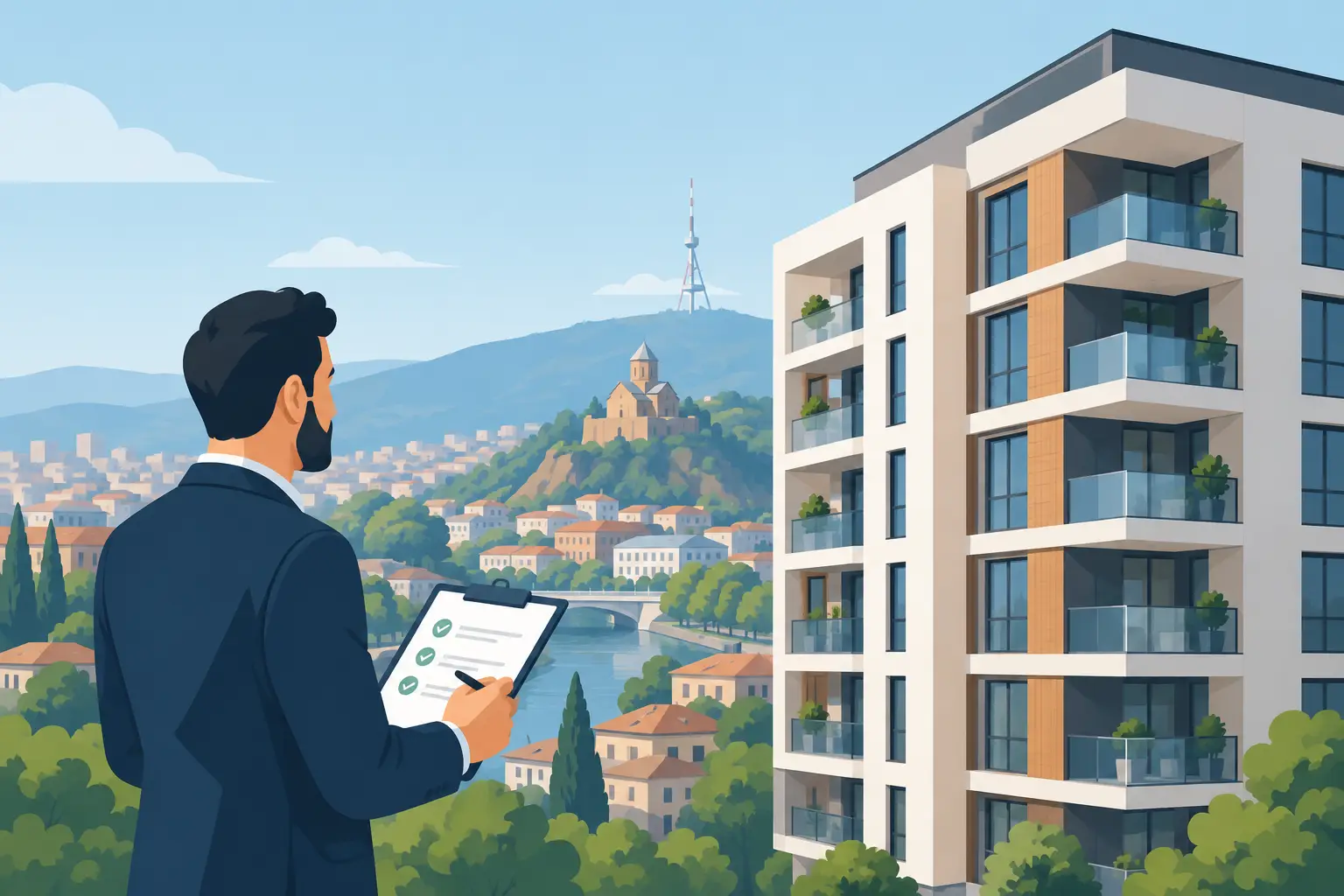
A useful review starts before the unit inspection. Buyers should evaluate the development as an operating asset, not simply a construction project. That means checking physical condition, management standards, documentation, and practical tenant experience.
Construction and visible condition
Start with the exterior and common areas. Look for cracks that appear active or widespread, water staining, damaged facade sections, poor drainage around the building, uneven paving, and signs that repairs are being delayed. A single cosmetic defect may not be significant. Repeated signs of moisture or neglected maintenance deserve closer attention.
Inside, inspect stairwells, corridors, elevators, utility rooms where accessible, entrances, and parking areas. Are lights working? Are floors clean and intact? Do doors close properly? Is there evidence of water intrusion, strong odors, exposed wiring, or unfinished work? Common areas reveal how the building is being managed after handover.
For the apartment itself, inspect walls and ceilings for stains or fresh paint that may be covering an issue. Test windows, locks, interior doors, electrical outlets, water flow, drainage, heating equipment, and ventilation. Ask whether the unit has been occupied and whether the owner has dealt with previous repairs. A professional technical inspection can be worthwhile when the purchase price or expected renovation budget is substantial.
Utilities and building systems
Rental performance depends on ordinary systems working every day. Confirm how water, electricity, gas, heating, internet, backup power, and waste collection are handled. In Tbilisi, reliability can vary by development, neighborhood, and building age, so general assumptions are not enough.
Ask direct questions: How often do elevators fail? Who responds when there is a water leak between units? Is there a building generator or backup solution for common areas? Are utility meters individual? What are the monthly common charges, and what do they cover?
An investor should also understand the practical response process. A building may have an elevator, but if repairs take weeks and no one takes responsibility, tenants will remember the inconvenience. Good systems matter. Accountable management matters just as much.
Management of common areas
The condition of a lobby on one viewing day is less useful than the building’s maintenance habits over time. Find out who manages the common areas and whether there is an organized process for collecting fees, coordinating repairs, and communicating with owners.
Low monthly charges can look attractive, but they may mean the building has insufficient funds for cleaning, elevator service, security, or future repairs. High charges are not automatically a warning either if services are clear, consistently delivered, and appropriate for the target tenant market.
Review the basics: cleaning frequency, security arrangements, concierge or reception coverage where applicable, parking rules, waste collection, elevator maintenance, and procedures for reporting problems. A building that runs predictably protects your time and makes a rental easier to manage remotely.
Documentation and handover status
New-build investments require careful attention to legal and completion status. Confirm what has been delivered, what remains under construction, and whether advertised facilities are actually operating. A rooftop terrace, gym, landscaped courtyard, or retail component should not be valued as a completed amenity if it is still only planned.
Buyers should verify the unit’s registration status, the seller’s authority to sell, applicable building documentation, and any requirements connected to handover. Use qualified local legal and technical professionals for matters outside a property manager’s scope. The goal is to avoid paying for assumptions that cannot be verified.
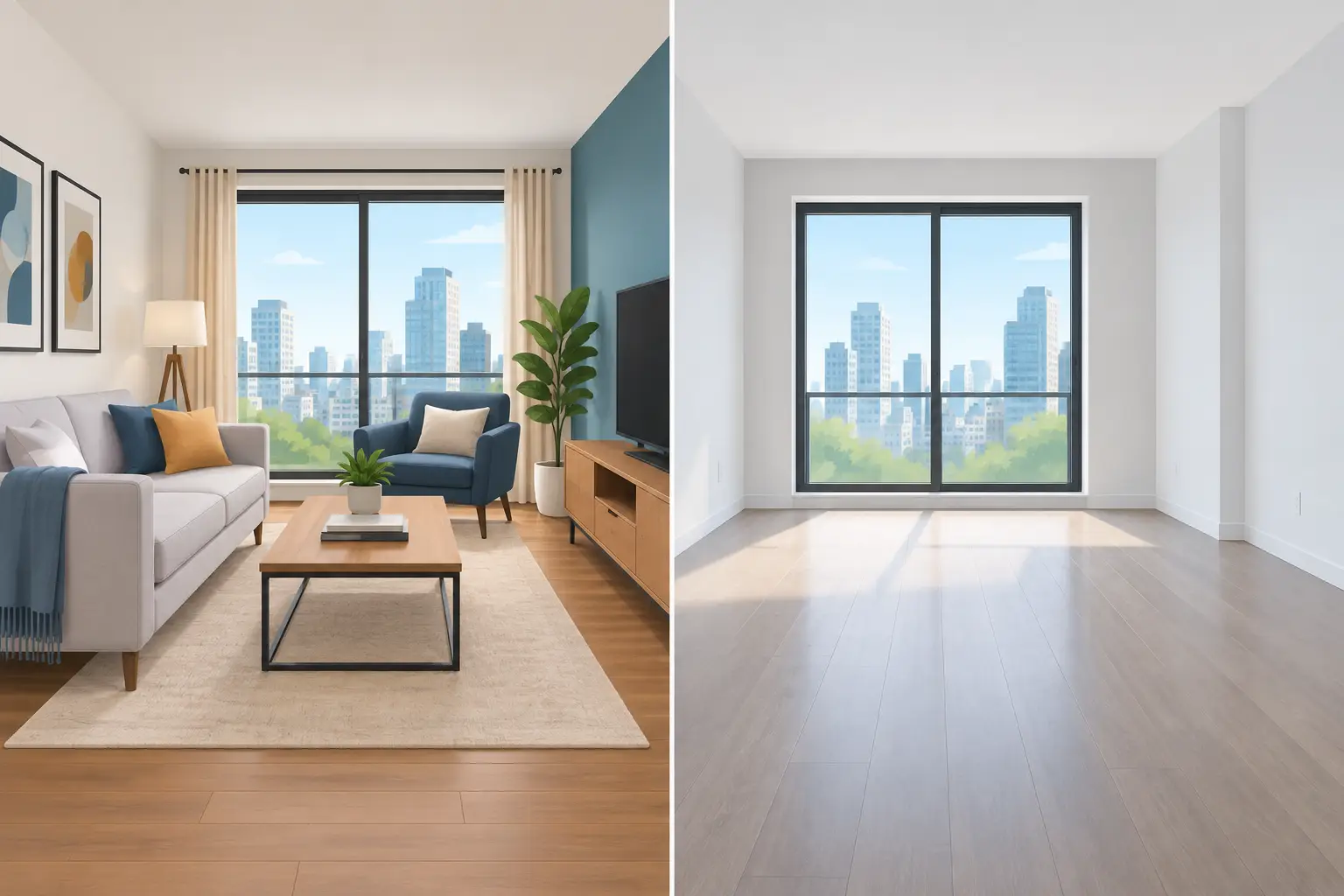
If the apartment is delivered in a shell-and-core or partially finished condition, define the full cost of getting it rental-ready. This includes finishing work, furniture, appliances, curtains, lighting, air conditioning where needed, cleaning, and time without rental income. The purchase price is only one part of the capital required.
Red Flags That Can Affect Rental Income
Some problems are visible during one visit. Others become clear only when you ask the right questions and speak with residents, guards, or building staff. Pay attention when answers are vague, inconsistent, or overly focused on future promises.
The following issues justify deeper review before you commit:
- Repeated water damage in hallways, ceilings, parking areas, or near exterior walls
- Elevators that are out of service often or have no clear maintenance provider
- Unclear common-area fees, unpaid balances, or disputes over who funds repairs
- Ongoing construction noise, incomplete infrastructure, or amenities promoted before completion
- Poor drainage, unsecured access points, inadequate lighting, or neglected waste areas
- A large number of vacant or short-term resold units that may create unstable building operations
None of these points automatically makes a purchase wrong. A buyer may accept them if the price, location, and upside justify the risk. The key is to price the risk honestly and avoid assuming it will resolve itself after closing.
Compare Buildings Based on the Tenant You Want
An apartment building quality review works best when it is tied to a leasing plan. A modern complex near business districts may appeal to expatriate professionals, corporate tenants, and higher-income local renters. These tenants often expect clean common areas, secure access, dependable elevators, furnished units, and quick maintenance response.
A building near universities, transit, or employment centers may perform well with a more budget-conscious tenant base. In that case, a practical layout, reasonable utility costs, and reliable basic services may matter more than premium amenities.
This is where investors can make better comparisons. Do not compare two buildings only by price per square meter. Compare expected rent, likely vacancy periods, furnishing requirements, common charges, maintenance exposure, and the effort required to keep the unit competitive. A cheaper unit in a poorly operated building can produce less net income than a higher-priced unit in a reliable complex.
Turn the Review Into an Operating Plan
Once you select a building, document the condition of the apartment before a tenant moves in. Photos, inventory records, meter readings, and a clear handover checklist reduce disputes later. Address minor maintenance before marketing the unit, because small defects create a poor first impression and can delay leasing.
Then set up a response structure for tenant issues. Tenants should know where to report a problem, while owners should receive clear updates on material repairs, costs, and decisions that affect the asset. Remote ownership works when responsibility is defined before something goes wrong.
Property Management Georgia applies this operational mindset when evaluating rental opportunities and managing units after purchase. The focus is not simply on filling an apartment. It is on selecting tenants carefully, coordinating maintenance quickly, keeping records organized, and protecting the condition that supports rental income.
A building does not need a designer lobby or every advertised amenity to be a strong investment. It needs to work consistently for the people who live there. Review it with that standard, and you will be in a better position to buy an apartment that earns without demanding constant attention.