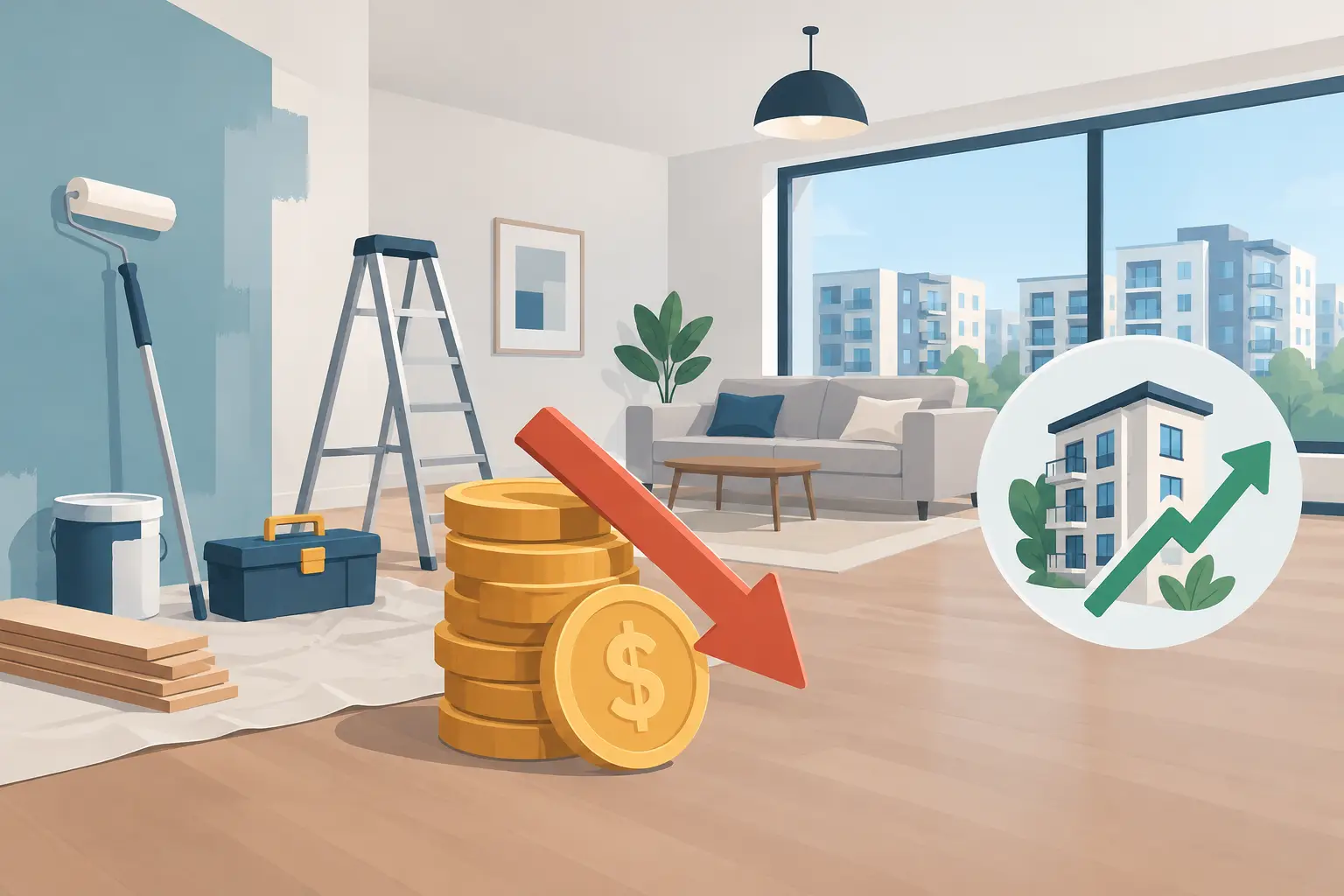
A vacant apartment, one poorly screened tenant, or an unresolved water leak can erase months of expected income. For owners buying from abroad, investment returns are not determined only by the purchase price or the advertised rental rate. They are determined by how the property performs after the keys are handed over.
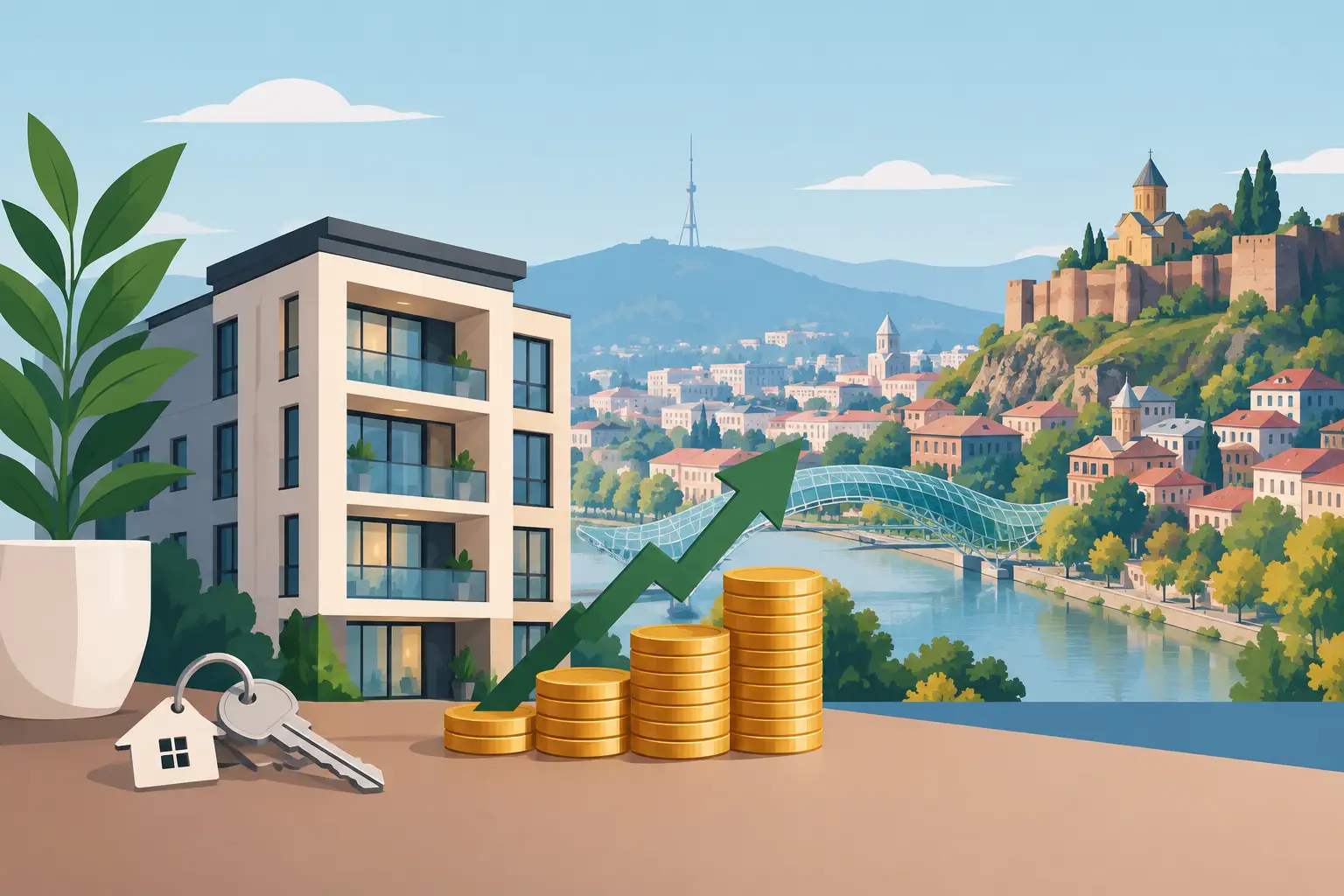
Tbilisi can offer attractive rental opportunities, particularly in well-located new developments with practical layouts and reliable demand. But a unit becomes an investment only when it is leased consistently, maintained properly, and managed with discipline. The goal is not simply to collect rent. The goal is to protect cash flow while preserving the value of the asset.
What Investment Returns Really Mean for Rental Owners
Many investors begin with gross yield: annual rent divided by purchase price. It is a useful first calculation, but it is not the number that reaches your account.
A property purchased for $100,000 and rented for $800 per month produces $9,600 in annual gross rent, or a 9.6% gross yield. That figure can look strong on a listing. Yet vacancy, management fees, maintenance, furnishing, taxes, utility responsibilities, repair calls, and turnover costs all affect the net result.
For a remote owner, there is another cost that does not always appear in a spreadsheet: delayed decisions. A tenant issue left unanswered can become a vacancy. A small plumbing problem can become damage to the apartment below. An owner who must coordinate contractors across time zones can lose both time and rental income.
The strongest returns come from a property that operates predictably. That means realistic rent pricing, qualified tenants, documented payments, quick maintenance response, and local oversight that does not wait for a problem to become expensive.
The Four Drivers of Investment Returns in Tbilisi
1. Buying the right unit, not just the cheapest one
The purchase decision sets the ceiling for future performance. A low entry price is valuable only if the apartment can attract tenants at a sustainable rate. Location, access to transport, nearby offices and universities, building quality, layout, floor level, natural light, and furnishing potential all influence tenant demand.
New-build complexes can be appealing because they may offer modern layouts, lower initial repair needs, and a product renters recognize. However, not every new project performs the same way. A building with too many similar investor-owned units may create direct competition when owners list at the same time. An attractive render is not evidence of rental demand.
Before purchasing, investors should assess who is likely to rent the apartment, what comparable units are achieving, and how much competing supply is coming to market. A compact one-bedroom near employment centers may perform differently from a larger apartment in an area driven mainly by owner-occupiers. The right choice depends on the investment strategy, budget, and expected holding period.
2. Occupancy and pricing discipline
An apartment that commands the highest advertised rent is not necessarily producing the best annual income. If aggressive pricing leaves it empty for six weeks, the lost rent may outweigh the benefit of a slightly higher monthly rate.
Smart pricing is based on current market evidence, not a number an owner hopes to achieve. It should reflect the unit’s condition, furniture, view, building amenities, lease terms, and the volume of comparable listings. Rental demand also changes by season, so pricing must be reviewed when a lease ends rather than copied from last year.
The objective is to reduce costly vacancy without giving away income. In practice, this often means presenting the apartment well, responding to inquiries quickly, and adjusting the asking rent when the market gives clear feedback. A vacant property is still accumulating costs, even when no tenant is calling.
3. Tenant selection and lease control
The tenant is one of the biggest variables in a rental investment. Reliable tenants pay on time, respect the property, communicate early about issues, and are more likely to renew. Poor tenant selection can lead to missed payments, property damage, conflict, legal work, and extended vacancy after a difficult departure.
A professional screening process should verify identity, employment or income sources, rental history where available, and the practical fit between the tenant and the apartment. Screening is not about making assumptions. It is about using a consistent process to reduce avoidable risk.
The lease matters just as much. It should clearly establish the rent amount, due date, deposit, notice requirements, maintenance responsibilities, utility arrangements, and rules for the property. When expectations are documented from the start, there is less room for confusion later.
For international owners, a local manager also provides a clear point of contact. Tenants should not have to wait for instructions from someone several time zones away when a payment question or maintenance issue arises.
4. Maintenance response and asset protection
Maintenance is not separate from return performance. It is part of it. A well-maintained apartment rents faster, supports better tenant retention, and avoids the value loss that follows repeated neglect.
Not every repair requires the same response. A cosmetic issue can be planned and priced carefully. A water leak, electrical fault, broken heating system, or access problem needs immediate attention. The difference between a small repair and a major expense is often how fast someone inspects the issue and coordinates the right contractor.
Owners also need visibility. Good property management includes records of reported issues, approved work, invoices, rent collection, and tenant communication. That recordkeeping helps owners understand where money is going and makes future sales, tax preparation, and portfolio planning easier.
How to Measure Net Rental Performance
A useful way to evaluate a rental property is to track its performance monthly and annually. Start with collected rent, not scheduled rent. Then subtract the real operating costs associated with keeping the unit occupied and functional.
These costs commonly include management fees, repairs, cleaning between tenants, advertising or leasing expenses, building charges where applicable, taxes, insurance, and owner-paid utilities. Furnishing should also be treated as an investment cost, especially in a new apartment being prepared for its first tenant.
Do not judge a property only after one good month. A stronger view includes occupancy over a full year, the number of days between tenants, repair patterns, and whether the rent level is keeping pace with the market. One unexpected repair does not mean an investment is failing. Repeated vacancy or recurring tenant problems may signal that the pricing, unit condition, or operating process needs attention.
For a growing portfolio, compare properties against each other. If one unit consistently rents faster, requires fewer repairs, and produces cleaner cash flow, that information should guide the next acquisition. Portfolio growth works best when each purchase improves the system rather than adding another unmanaged problem.
The Local Management Advantage for Remote Owners
Remote ownership can work well in Tbilisi, but it should not mean absentee operations. Someone needs to show the unit, meet prospective tenants, inspect condition, collect and document payments, coordinate repairs, and act when a lease issue requires firm action.
This is where a hands-on local team changes the investment equation. Property Management Georgia manages the operational work that owners should not have to chase from overseas: tenant communication, rent collection, maintenance coordination, leasing support, and issue resolution. The value is not merely convenience. It is a faster response to the events that affect income and asset condition.
A good manager should also be accountable. Owners need timely reporting, clear approval processes for significant expenses, and practical recommendations based on what is happening in the local market. The right relationship gives you control over key decisions without requiring you to manage every call, contractor, and tenant message yourself.
Build Returns Around Consistency, Not a Best-Case Scenario
Rental property performs best when the plan allows for normal operating realities. Budget for maintenance. Expect occasional turnover. Price according to market evidence. Keep reserves for unexpected work. These habits are less exciting than a high advertised yield, but they create a more durable investment.
Before buying another apartment or renewing a lease, ask a simple question: what will improve the property’s ability to stay occupied, collect rent reliably, and avoid preventable costs? The answer will usually lead back to better asset selection, better operations, and a local team that treats the property like an asset worth protecting.