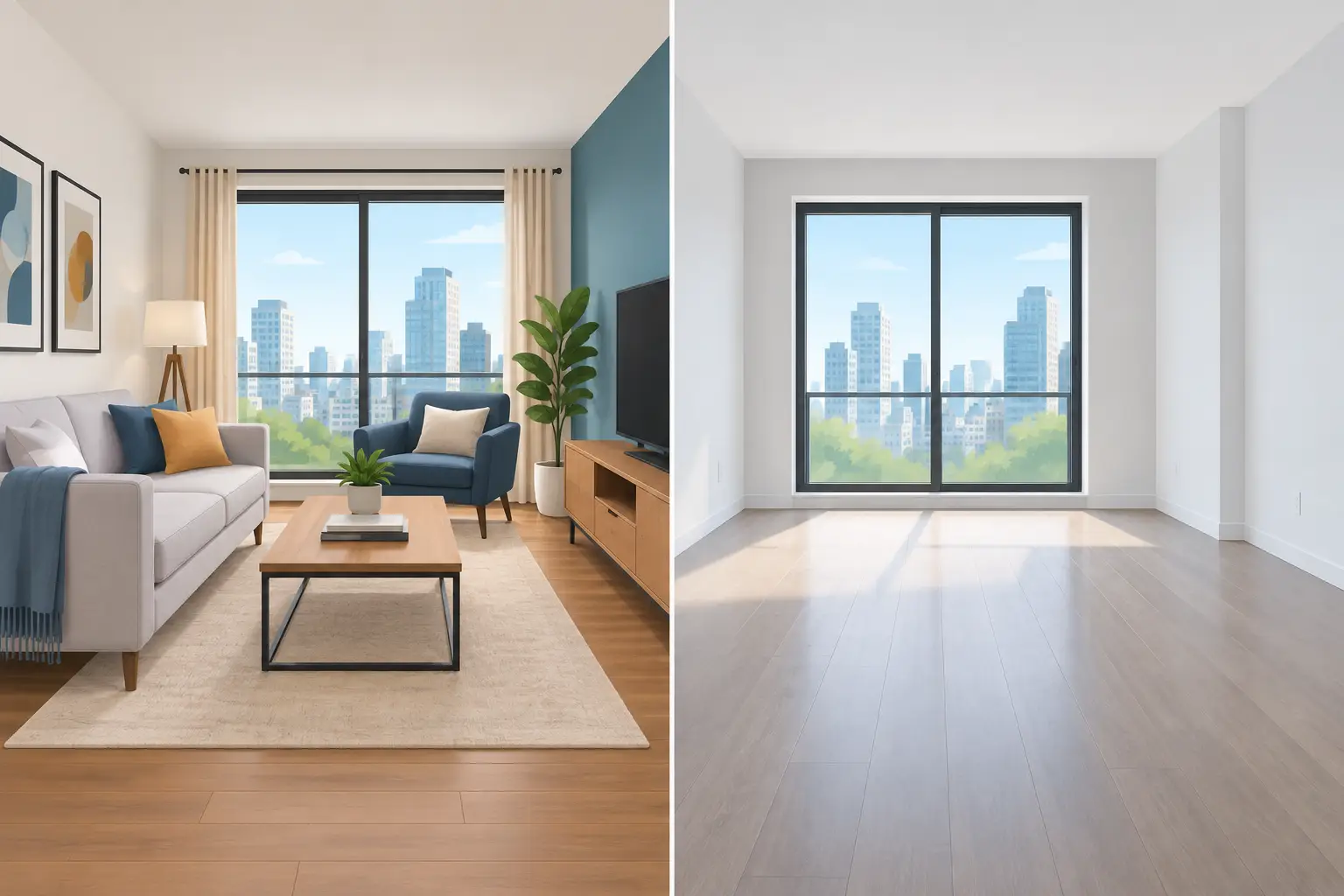

A vacant unit in Tbilisi rarely stays vacant because the paint color was wrong. It sits because the apartment does not match how tenants actually live. When owners ask about the best apartment amenities tenants want, they are usually asking a more important question: which upgrades protect occupancy, support stronger rent, and reduce turnover without wasting capital.
That is the right way to look at amenities if you own rental property locally or manage it from abroad. Amenities are not decoration. They are leasing tools, retention tools, and in some cases, risk-control tools. The best ones make a tenant say yes faster, settle in easier, and stay longer.
What tenants really mean by “amenities”
Many owners hear the word and think about rooftop lounges, gyms, and luxury branding. In practice, most tenants start with basics that make daily life easier. In Tbilisi, especially in newer developments competing for the same renter pool, practical convenience often outperforms flashy extras.
A tenant comparing two similar apartments will usually ask a simple question: which one feels easier, safer, quieter, and more comfortable to live in every day? That is where the decision gets made.
The best apartment amenities tenants want first
1. Reliable heating and cooling
This is not a bonus feature. It is a core expectation. Tenants want an apartment that stays comfortable in both winter and summer, and they want systems that work without constant service calls.
For owners, this matters beyond marketing. Poor climate control leads to complaints, faster move-outs, and more maintenance friction. A modern, efficient heating and cooling setup can justify stronger rent, but just as important, it reduces operational headaches.
2. In-unit laundry or an easy laundry solution
If a tenant has to build their week around laundry logistics, your apartment loses points fast. In-unit laundry is a major convenience amenity, especially for professionals, couples, and long-term renters.
If a washer cannot fit in the unit, a well-designed building laundry area is still better than no practical solution at all. This is one of those areas where tenant expectations vary by asset class, but convenience always wins.
3. Fast, reliable internet readiness
Tenants may not ask whether the apartment has “internet” as an amenity. They assume it should be easy to install and strong enough for remote work, streaming, and multiple devices.
That assumption is even stronger now because many renters work hybrid schedules or run business activity from home. If the building has poor infrastructure or setup delays, it becomes a leasing objection. Owners who prepare the unit for fast connectivity remove friction before it starts.
4. Secure parking
Parking is one of the most practical value drivers in many Tbilisi submarkets. For tenants with cars, secure parking is not a small extra. It affects daily convenience, time, and perceived safety.
This does not mean every unit without parking is uncompetitive. In highly walkable or central areas, tenants may trade parking for location. But when comparable units exist nearby, parking often becomes the deciding factor.
5. Strong building security and controlled access
Security sells peace of mind. Controlled entry, functioning intercom systems, good lighting, and professional building access management all matter.
This is especially important for international tenants, solo renters, and families. From an ownership perspective, secure buildings also tend to reduce certain operational issues, from unauthorized occupancy to common-area misuse. A safer building is easier to keep stable.
6. Storage space that feels usable
Tenants do not just rent square footage. They rent functionality. A unit with decent closets, smart kitchen storage, and practical layout often performs better than a slightly larger apartment with wasted space.
This is where owners can misread the market. Expensive finishes may look good in photos, but poor storage becomes obvious during showings and after move-in. Daily usability is what shapes renewals.
The amenities that support better leasing photos and better retention
7. A modern kitchen
You do not need a luxury showroom kitchen to compete. Tenants want a clean, updated kitchen with enough counter space, working appliances, and a layout that feels current.
In many rentals, the kitchen carries more emotional weight than almost any other room. It photographs well, influences first impressions, and signals whether the apartment has been maintained properly. Even modest upgrades here can improve leasing speed.
8. Updated bathrooms
A tired bathroom can drag down an otherwise strong unit. Tenants notice water pressure, ventilation, lighting, and whether the finishes feel clean and current.
This is another area where practical upgrades usually outperform cosmetic shortcuts. Good fixtures, easy-to-clean surfaces, and proper maintenance matter more than decorative trends. Tenants are looking for reliability, not just style.
9. Natural light and functional window treatments
Good light changes how a unit feels online and in person. Bright apartments generally attract more interest and feel more premium, even when the floor plan is simple.
Window treatments matter too. Tenants want privacy and light control from day one. That is a small operational detail, but it affects move-in readiness and perceived value more than many owners expect.
10. Outdoor space, even if it is modest
A balcony, terrace, or usable shared outdoor area can be a real differentiator. It does not have to be large. What matters is that the space feels functional.
That said, this is a classic it-depends amenity. In some locations, tenants will prioritize parking or layout over outdoor space. In others, especially where renters are comparing newer buildings, a balcony can lift both interest and rentability.
What tenants want in newer apartment buildings
11. Elevator access and well-maintained common areas
In theory, tenants rent the unit. In practice, they judge the entire building. If the lobby feels neglected, hallways are poorly lit, or the elevator is unreliable, the apartment becomes harder to lease no matter how nice the interior is.
Common-area condition also influences tenant quality and retention. Better building upkeep tends to attract tenants who value order and predictability. That is good for the asset over time.
12. Fitness, coworking, and pet-friendly policies – but only where the target tenant will pay for them
These are often marketed as premium amenities, and sometimes they work. A gym, coworking lounge, or pet-friendly setup can absolutely improve demand in the right building.
But owners should be careful not to overestimate them. If your likely tenant is choosing mainly on rent, location, and unit quality, these extras may not move pricing enough to justify higher acquisition or service costs. Premium amenities help most when they match the building’s positioning and the tenant profile in that micro-market.
How owners should evaluate the best apartment amenities tenants want
The wrong way is to ask which amenities sound impressive. The right way is to ask which ones improve leasing velocity, support rent, and reduce turnover in your specific segment.
A one-bedroom in a central new-build aimed at young professionals should not be evaluated the same way as a family-oriented rental in a more residential district. The tenant pool is different, so the amenity mix should be different too.
Remote owners should also think in operational terms. An amenity is more valuable if it reduces friction for the management team. Durable finishes, reliable systems, and tenant-friendly layouts may not sound glamorous, but they often outperform trend-driven upgrades because they hold up better and create fewer complaints.
Amenities that look good on paper but do not always pay off
Some features attract attention without producing real return. Highly customized interiors can narrow the renter pool. Built-in luxury electronics can create replacement headaches. Overspending on decorative upgrades in a mid-market rental can make the unit harder, not easier, to underwrite.
There is also a difference between building amenities and unit amenities. If a development charges a premium because it has a long list of shared features, owners should ask whether tenants in that area truly pay enough extra rent to support the higher acquisition cost and ongoing fees. Sometimes they do. Sometimes they do not.
This is where local execution matters. The right decision is rarely based on a global trend. It is based on what tenants touring apartments in that exact neighborhood are choosing right now.
A smarter way to think about upgrades
If you are deciding where to invest, start with the essentials: climate control, kitchen and bath condition, internet readiness, security, parking, and storage. Those are the fundamentals that protect leasing performance.
After that, look at competitive differentiation. If comparable units already offer the basics, then a balcony, better appliances, or stronger common-area appeal may help the apartment stand out. Property Management Georgia typically approaches these decisions from a return-first perspective because owners do not need more features for the sake of features. They need fewer vacancies, stronger tenants, and steadier income.
The best amenity is the one that gets the unit rented to the right tenant and keeps it performing with less friction month after month. That is how an apartment becomes easier to own, not just easier to advertise.