
If you own a rental in Tbilisi from abroad, confusion around property manager vs realtor usually shows up right after purchase. You close on the apartment, get the keys, and then realize buying the asset and operating the asset are two very different jobs. One helps you complete a transaction. The other protects your income once the transaction is over.
That distinction matters more than most owners expect. A good rental can still underperform if tenants are poorly screened, repairs drag on, rent collection is inconsistent, or small issues are left to grow into expensive ones. If your goal is hands-off ownership with stable returns, you need to know exactly where a realtor’s role ends and where a property manager’s role begins.
Property manager vs realtor: the short answer
A realtor is primarily focused on a real estate transaction. They help buy, sell, or sometimes lease a property. Their work is deal-based and usually ends once the transaction is completed.
A property manager is responsible for the ongoing operation of the rental. That includes marketing the unit for rent, screening tenants, handling tenant communication, collecting rent, coordinating maintenance, keeping records, and stepping in when problems affect occupancy or cash flow.
For an investor, the simplest way to think about it is this: a realtor helps you enter or exit the asset, while a property manager helps the asset perform month after month.
What a realtor actually does
A realtor is most valuable when you need market access and transaction support. If you are acquiring an apartment in Tbilisi, especially from overseas, a strong realtor can help you identify neighborhoods, compare buildings, understand pricing, and move a purchase forward efficiently.
They may also support leasing in a limited sense. Some realtors list rental units, show them to prospects, and help secure a tenant. That can be useful if your immediate goal is simply to fill a vacancy.
But this is where many owners make the wrong assumption. Tenant placement is not the same as full rental management. Finding a tenant is only the first step. After move-in, someone still needs to manage late payments, maintenance requests, lease issues, check-out coordination, deposit disputes, and turnover prep. In most cases, that is not the realtor’s job.
A realtor is compensated around transactions. That incentive structure is not a flaw – it is just a different function. Their role is to help you complete a deal, not to absorb the daily operational burden of ownership.
What a property manager actually does
A property manager is there after the excitement of the purchase is over. This is the role that keeps the rental business running.
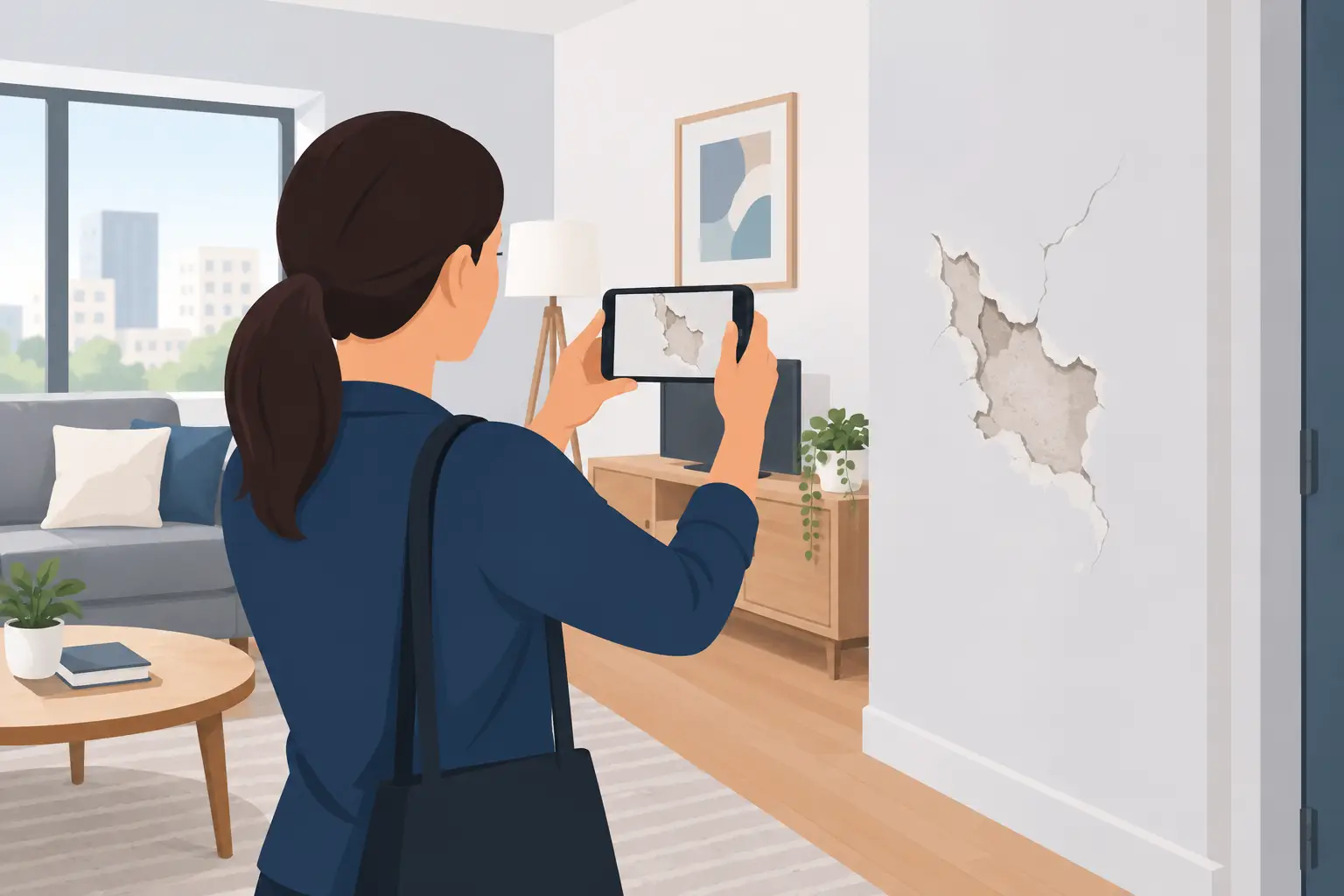
In practical terms, that means pricing the unit for the rental market, marketing it properly, qualifying applicants, executing lease paperwork, collecting rent, answering tenant questions, coordinating vendors, documenting issues, and protecting the condition of the property. If a tenant stops paying or creates ongoing problems, the property manager handles the escalation process instead of leaving the owner to sort it out from another country.
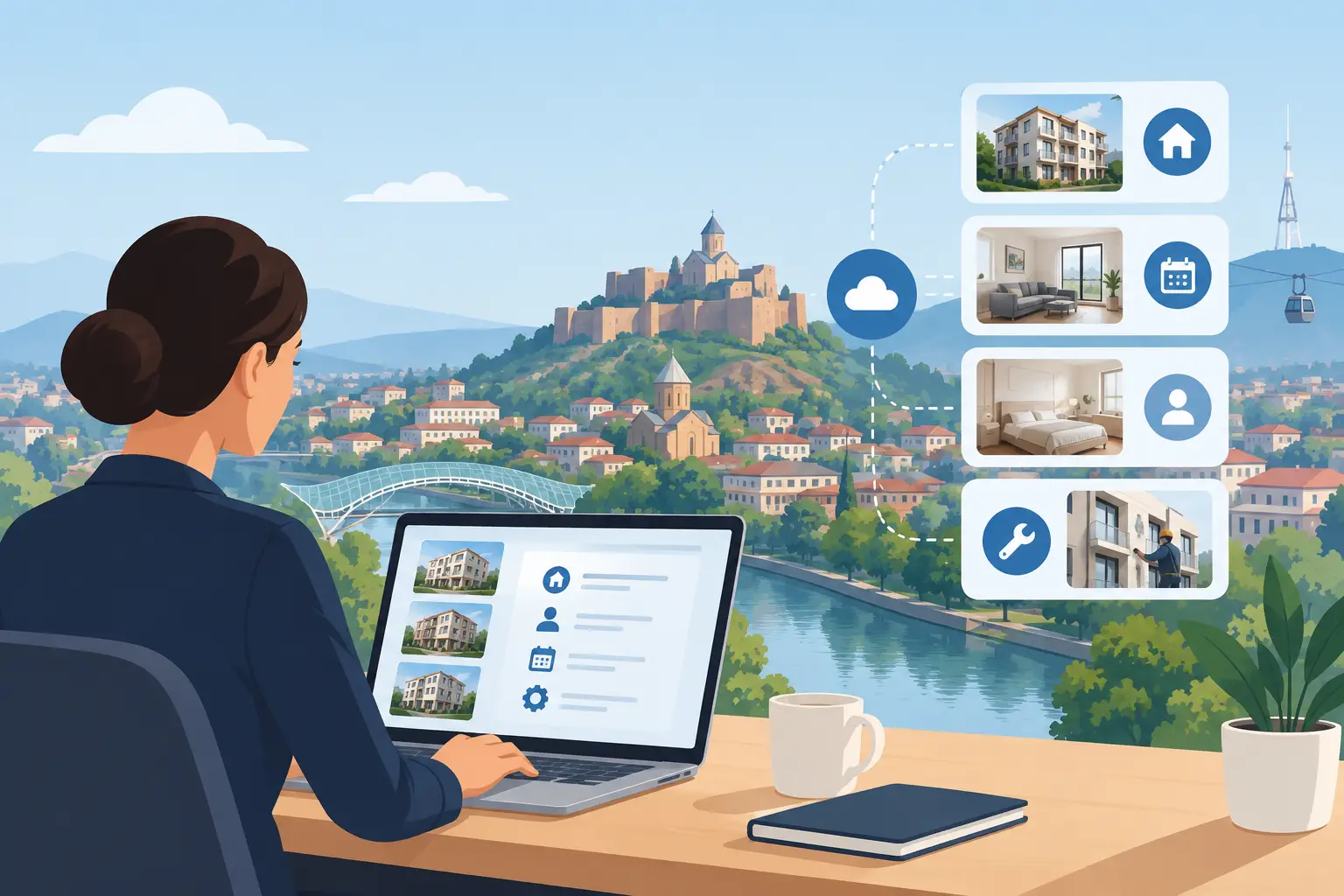
For remote investors, this is not just a convenience layer. It is the control layer. Without local management, even a well-bought apartment can drift into underperformance because small delays compound. A missed repair leads to tenant dissatisfaction. Tenant dissatisfaction leads to turnover. Turnover creates vacancy and extra costs. Good management interrupts that chain early.
That is why experienced investors usually treat property management as part of the investment itself, not as an optional add-on.
The biggest difference is ongoing accountability
The most useful way to compare property manager vs realtor is to look at accountability over time.
A realtor is accountable for helping you complete a purchase, sale, or leasing transaction professionally. A property manager is accountable for the day-to-day health of the rental and the owner experience after the tenant is in place.
Those are not competing roles. They are complementary roles. In fact, many investors need both. The issue is knowing which problem you are solving.
If you are choosing between buildings, negotiating terms, or evaluating where to buy, a realtor or investment-focused acquisition advisor can help. If you already own the unit and want income without landlord headaches, you are in property management territory.
This is especially true in Tbilisi, where many owners live elsewhere and need local execution. Time zone gaps, language differences, vendor coordination, and tenant follow-up are not theoretical problems. They affect your occupancy, repair costs, and peace of mind.
Where the roles overlap – and where owners get confused
Some companies blur the line because they offer both leasing help and management support. That is not a bad thing, but owners should ask better questions.
For example, a realtor might offer to find a tenant. That sounds close to management, but you need to ask what happens after move-in. Who handles late rent? Who responds when the tenant reports a leak on a weekend? Who arranges quotes, approves work, checks completion, and keeps records? Who manages renewal discussions or move-out disputes?
If those answers are vague, you are not looking at full-service management.
On the other hand, some property managers also assist investors before purchase by identifying rental-friendly developments or units likely to perform well. That can be valuable because they see what happens after the sale. They know which properties rent faster, which layouts attract stronger tenants, and which buildings create recurring operational headaches.
That operational perspective often makes acquisition advice more grounded. It is one thing to buy a unit that looks attractive on paper. It is another to buy a unit that leases well, holds tenants, and is easy to operate.
Which one do you need?
It depends on where you are in the ownership cycle.
If you are still searching for an asset, comparing neighborhoods, or preparing to buy, you likely need a transaction-focused expert. If you already own the property or are about to complete on one, and you want it rented and managed without daily involvement, you need a property manager.
If you are an overseas investor buying for rental income, the best setup is often both functions under one accountable operating model. You want informed acquisition guidance on the front end and disciplined execution on the back end.
That is the model many remote owners prefer because it removes handoff risk. Too often, the realtor closes the deal, disappears, and the owner is left assembling the management side later. That gap is where delays, vacancy, and poor tenant selection start to creep in.
Why this choice affects your returns
Owners sometimes focus heavily on purchase price and expected rent, then underestimate operating quality. But returns are shaped by more than the deal itself.
A vacant month, a weak tenant, a maintenance issue handled slowly, or poor documentation can eat into income quickly. The wrong hire is not just inconvenient – it can be expensive.
A realtor can help you avoid overpaying. A property manager helps you avoid operational leakage. Both matter, but if your property is intended to produce recurring rental income, the operating side has an ongoing effect on performance.
This is why serious investors ask management questions early. They want to know how tenants are screened, how repairs are coordinated, how rent collection is enforced, how issues are documented, and who is actually responsible when a problem appears. Those are the questions that protect net income.
For many owners in Georgia, especially those managing from abroad, the real goal is not simply owning a unit. It is owning a unit that stays occupied, stays maintained, and stays off their personal to-do list.
What to ask before you choose
Before hiring anyone, get clear on the scope. Ask whether the service includes tenant sourcing, qualification, lease execution, rent collection, maintenance coordination, inspections, tenant issue resolution, and move-out handling. If it does not, ask what is excluded and who covers the gap.
Also ask how communication works. Remote owners need responsiveness, clear reporting, and documented actions. You should know who is managing your unit, how decisions are made, and when issues are escalated.
Most importantly, choose for the outcome you want. If you want help buying, hire for buying. If you want stable rental operations, hire for management. If you want both, work with a team built to carry the asset from acquisition to ongoing performance.
At Property Management Georgia, that is exactly how we think about the job. The asset does not stop needing attention once the purchase is complete. If you want your rental to produce consistent income without pulling you into every tenant call, repair decision, and payment follow-up, choose the partner who will still be there after the deal is done.
The right choice is not about titles. It is about who is responsible when your property needs real work.