A burst pipe at 2:00 a.m. can damage a rental apartment faster than a vacant week ever will. An emergency maintenance plan for landlords gives you a clear response before water reaches the floor below, the power fails, or a tenant cannot safely remain in the unit. For owners managing Tbilisi property from abroad, the plan is not paperwork. It is asset protection, tenant retention, and cash-flow control.
A tenant does not judge management by how quickly rent is collected. They judge it when something goes wrong. If they cannot reach anyone during a heating failure or active leak, a small technical issue becomes a costly dispute, a vacancy risk, and potentially a claim from a neighbor or building management.
What Counts as an Emergency in a Rental Property?
Not every repair requires an immediate callout. A dripping faucet, a loose cabinet hinge, or a failed appliance may be inconvenient, but these can usually be scheduled during normal working hours. Treating every request as an emergency creates unnecessary vendor costs and trains tenants to bypass the normal maintenance process.
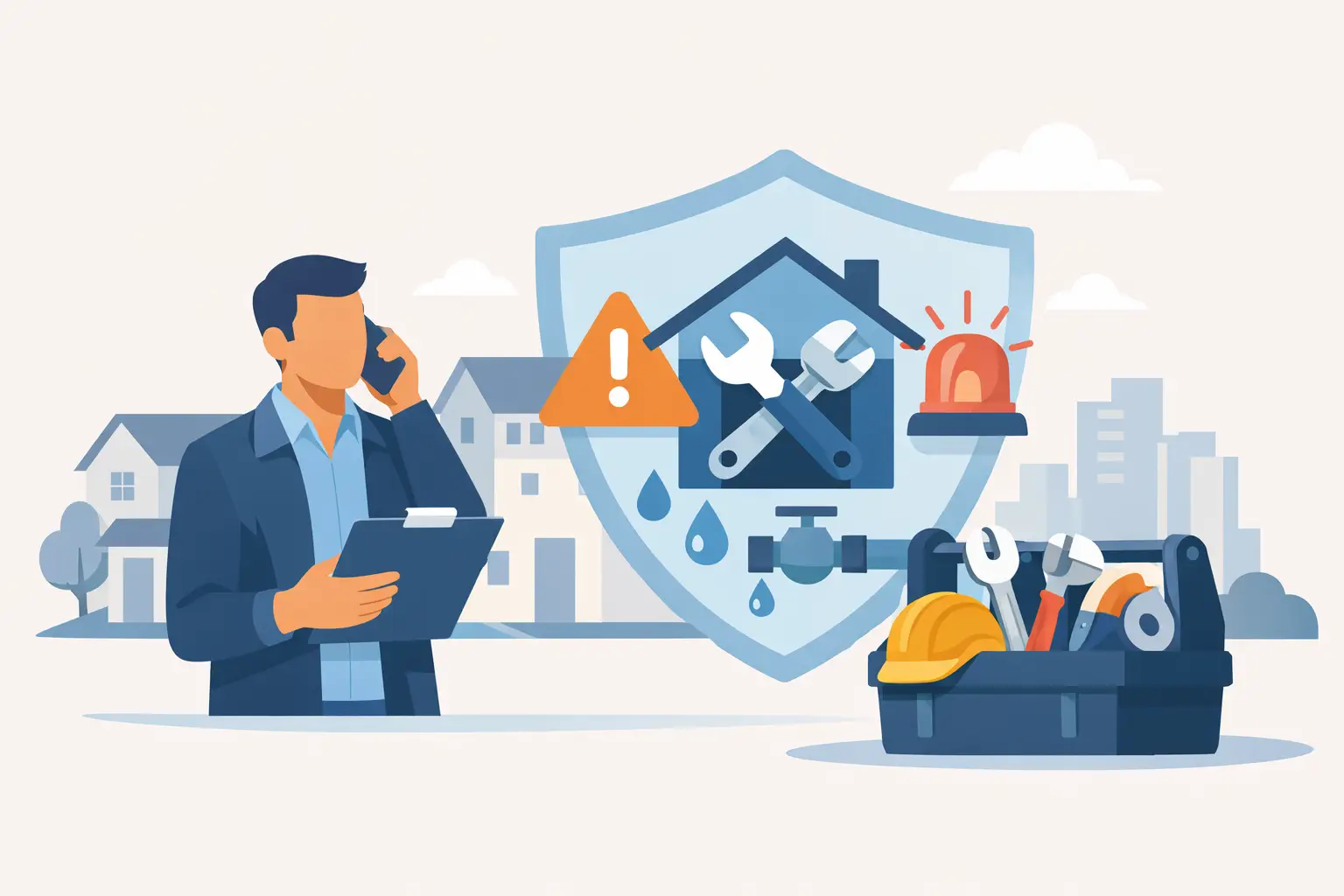
An emergency is a condition that threatens people, causes active or escalating property damage, makes the apartment unsafe or unlivable, or creates a material risk to neighboring units. In Tbilisi apartment buildings, the most common examples are active water leaks, sewage backups, electrical burning smells or sparking, gas odors, no heat during cold weather, serious entry-security failures, and major storm damage.
The distinction matters because the first goal is not always to complete the repair immediately. It is to make the property safe and stop the damage. A plumber may need to shut off water to a unit at night and return in the morning with the correct parts. That is still an effective emergency response if it prevents damage from spreading through the building.
Build the Emergency Maintenance Plan Before a Tenant Moves In
The best response starts before occupancy. At turnover, identify where the unit’s water shutoff, electrical panel, gas valve, and heating controls are located. Photograph them, label them where appropriate, and keep the information in the property file. A tenant who knows how to shut off water can save thousands of dollars while a technician is on the way.
Your plan should also define a single reporting channel. Tenants need one phone number or monitored communication method for urgent issues, with instructions to call emergency services first when there is an immediate threat to life, fire, suspected gas exposure, or serious electrical danger. They should not wait for a property manager to authorize a call to emergency services.
For a remote owner, clear authority is equally important. Decide in advance who can approve emergency spending and at what limit. Waiting for an owner in another time zone to approve a basic callout can turn a contained leak into damaged flooring, cabinetry, ceilings, and common areas. Set a pre-approved emergency repair threshold, then require a written report and invoices immediately after the situation is stabilized.
Keep Unit-Specific Information in One File
A generic vendor list is useful, but it is not enough. Every apartment has different equipment, access arrangements, and building rules. Keep a current file for each unit that includes the tenant’s contact details, building administrator contact, access method, utility account information where relevant, equipment warranties, and records of past repairs.
Include photos and model numbers for boilers, air conditioners, water heaters, appliances, and electrical components. A technician can often arrive with the right part if they receive accurate information before leaving their workshop. That reduces repeat visits, tenant frustration, and the cost of downtime.
Create a Vendor Network That Can Actually Respond
An emergency maintenance plan fails if the only plumber on the list is unavailable. Owners need more than a contact saved in a phone. They need a managed network with confirmed availability, clear scopes of work, and expectations for response time.
For most Tbilisi rental portfolios, maintain reliable contacts for plumbing, electrical work, heating and boiler service, locksmith services, appliance repair, cleaning, and water-damage restoration. Also maintain contact details for the building manager or condominium representative. In many apartment buildings, a leak may originate from a shared riser or a neighboring unit, so access and coordination outside the apartment can be just as important as the repair inside it.
The lowest quoted price is not always the lowest cost. An inexperienced contractor who misdiagnoses a boiler, leaves an electrical issue unresolved, or arrives without the necessary materials can cost far more than a qualified professional with a higher callout fee. Emergency vendors should be selected for reliability, workmanship, communication, and accountability.
At Property Management Georgia, emergency coordination is handled as an operational responsibility, not a message passed between an owner, tenant, and contractor. The objective is simple: protect the unit, document the incident, and keep the tenant informed until the issue is resolved.
Set a Clear Tenant Response Process
Tenants should receive written emergency instructions at move-in, in plain language. The message should state what qualifies as urgent, how to report it, what immediate actions they may take, and when they should contact emergency services directly.
For an active leak, the tenant should be instructed to shut off the water if they can do so safely, move personal belongings away from the affected area, and send photos or video after calling. For a suspected gas leak, they should leave the apartment, avoid switches and open flames, and contact the appropriate emergency service. For an electrical hazard, they should not attempt a repair or touch wet electrical equipment.
This process protects both sides. Tenants know they will receive a response, while the landlord receives the information needed to deploy the right vendor. It also reduces preventable damage caused by delays, unclear instructions, or well-intentioned but unsafe tenant repairs.
Communicate During the Repair, Not Only After It
Silence creates frustration. Once an emergency is reported, acknowledge it quickly, confirm the next action, and give the tenant a realistic time window. If parts need to be ordered or a second visit is required, explain that clearly. Do not promise an exact completion time that depends on a supplier or a building access issue.
A short update is often enough: the water has been isolated, the plumber has inspected the problem, and replacement parts are scheduled for the next morning. This level of communication helps retain good tenants because they can see that the issue is being actively managed.
Control Costs Without Delaying Necessary Work
Emergency repairs are more expensive than planned maintenance, but uncontrolled spending is not the answer. Use a simple approval structure. First, authorize work required to stop immediate damage or remove a safety risk. Second, obtain a scope and cost estimate for permanent repairs when the situation allows. Third, document why the work was necessary, including photos, technician findings, invoices, and tenant communication.
There are exceptions. If a pipe has burst, a technician should not wait for multiple quotes before stopping the leak. If an electrical panel is sparking, the priority is to isolate the hazard. Cost comparison belongs in non-urgent repairs and planned replacements, not in the first minutes of an active emergency.
Landlords should also plan for deductible exposure and insurance reporting. Keep before-and-after photos, a timeline of the incident, repair invoices, and any building correspondence. When damage affects another unit or common area, fast documentation can prevent disagreement about where the problem started and who took appropriate action.
Use Preventive Maintenance to Reduce Emergency Calls
The most profitable emergency is the one that never happens. Inspect high-risk systems between tenancies and on a scheduled basis, especially plumbing connections, flexible hoses, boiler performance, electrical outlets, window seals, locks, and air-conditioning drainage lines. Older units, recently renovated apartments, and properties left vacant for long periods need closer attention.
Seasonality matters in Tbilisi. Before colder months, test heating equipment and address boiler service needs early. Before periods of heavy rain, inspect windows, balconies, drainage, and exterior-facing seals. A small preventive repair is usually easier to schedule, less disruptive for tenants, and substantially cheaper than a nighttime callout.
Track repeated issues by unit and by contractor. If the same leak returns, replacing a washer again may be false economy. If an appliance repeatedly fails, replacement may protect occupancy better than another repair. Maintenance records turn isolated incidents into useful investment decisions.
Review the Plan After Every Incident
After an emergency, ask practical questions: Was the tenant able to reach the right person? Did they know how to stop the damage? Did the vendor arrive with the right tools? Was building management involved soon enough? Did the repair solve the underlying issue?
Update the plan based on what happened. Add missing photos, replace unreliable vendors, adjust spending authority, and improve tenant instructions. A plan should become more effective with every real event.
A rental property performs best when urgent problems have an owner, a process, and a fast path to action. Put those controls in place now, while the apartment is quiet and the decisions are yours to make.