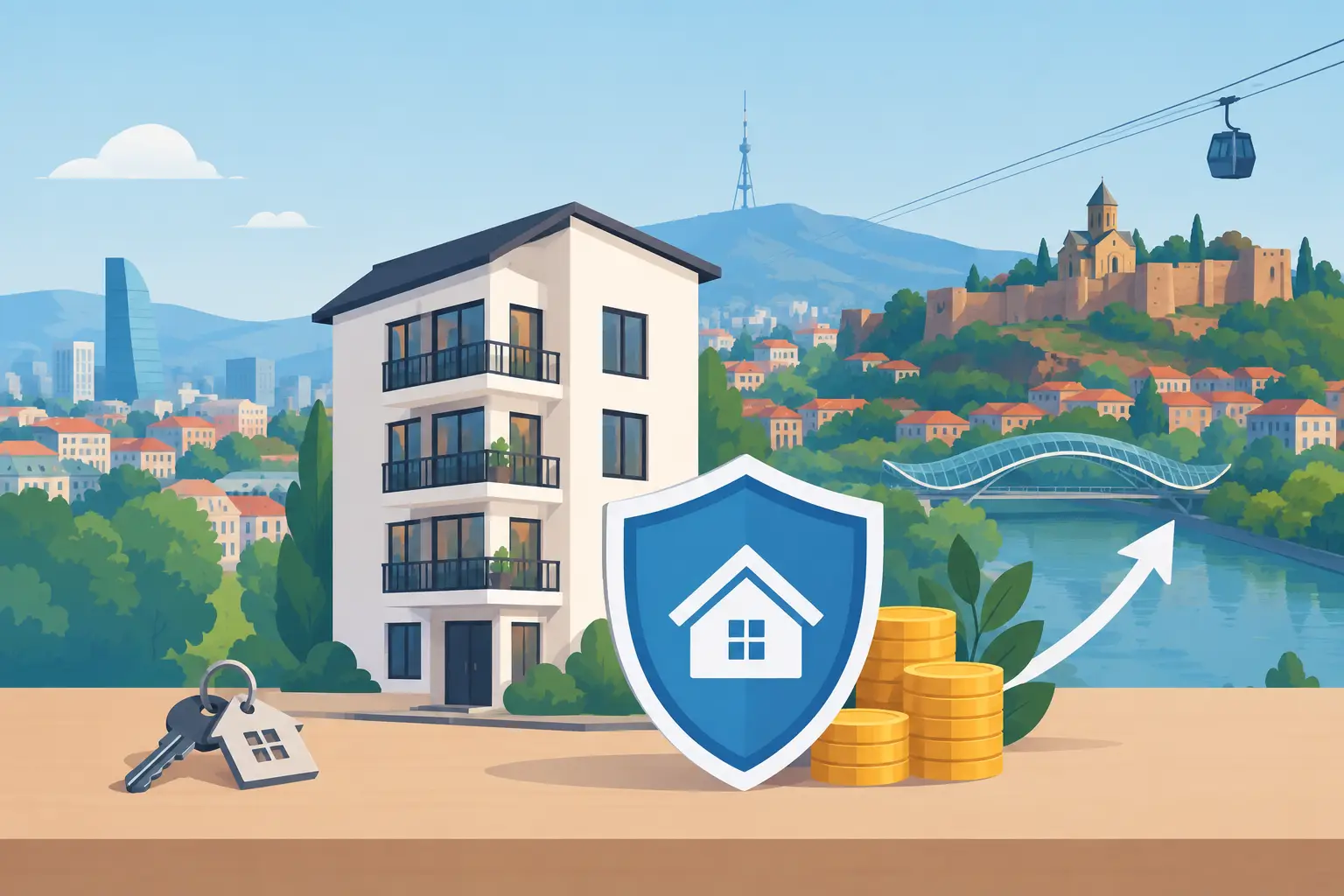
A vacant apartment in Tbilisi can still generate bills, maintenance calls, and lost opportunity. An investment property Georgia purchase becomes a performing asset only when the unit, tenant, rent, and daily operations are handled with discipline. For overseas owners, the real question is not simply where to buy. It is whether the property can keep producing income without requiring constant attention from another country.
Tbilisi offers a broad range of residential investment options, from compact new-build apartments to established units in central neighborhoods. That variety is an advantage, but it also makes vague buying decisions expensive. A modern building with attractive marketing may not suit the rental market you intend to serve. A lower purchase price can be offset by weak tenant demand, delayed completion, poor building management, or higher furnishing requirements.
The objective is straightforward: acquire a unit with a clear rental position, protect it with professional operations, and measure performance based on net income rather than hopeful projections.
What Makes an Investment Property in Georgia Perform
Rental performance begins before a contract is signed. The strongest opportunities usually have four things working together: a location tenants understand, a practical apartment layout, a price that supports the expected rent, and a building that is easy to maintain and lease.
In Tbilisi, location is more than a district name. Tenants often make decisions based on access to business areas, public transportation, universities, shopping, green space, and their daily commute. A unit near a metro station may have a broader tenant pool than a larger apartment that is difficult to reach. Newer developments can appeal to tenants who value modern common areas, elevators, security, and predictable utility systems, but the individual complex still needs to be assessed on its own merits.
Layout matters just as much. An apartment that looks impressive in photos may be difficult to rent if storage is limited, the bedroom is undersized, or the kitchen does not work for daily living. For long-term tenants, practical features generally outperform decorative extras. Functional furnishing, reliable appliances, heating and cooling, internet readiness, and clean condition help shorten vacancy periods.
The purchase price must also leave room for reality. Gross rent is not profit. Owners need to account for furnishing, repair reserves, vacancy, building fees, taxes, insurance where applicable, leasing costs, and ongoing management. A property with a slightly lower advertised yield can be the better asset if it rents more consistently and requires fewer interventions.
Choose the Tenant Before You Choose the Rent
Setting the highest possible rent is not the same as maximizing returns. A unit priced above the market can sit vacant for weeks, turning a small monthly increase into a larger annual loss. Conversely, underpricing can attract attention quickly but leave income on the table and create a weaker position at renewal.
The right rent is based on comparable available units, recently leased properties, condition, furnishings, floor level, building quality, and seasonality. It should be reviewed before each listing, not copied from last year’s lease or a neighboring owner’s advertisement.
Tenant selection is where many remote investors lose control of an otherwise good property. A signed lease does not eliminate risk. The owner needs a structured process that verifies the applicant, clarifies occupancy terms, documents the property’s condition, collects the correct funds before move-in, and establishes one accountable point of communication.
A disciplined screening process should consider employment or income stability, rental history when available, identification, intended occupancy, and whether the tenant’s expectations match the property. This is not about creating unnecessary barriers. It is about preventing predictable problems: late payments, unauthorized occupants, damage disputes, and early departures.
Clear lease terms matter because they make daily management easier. The agreement should define payment dates, deposit treatment, utility responsibilities, notice requirements, permitted use, maintenance reporting, and consequences for nonpayment or material violations. Local legal requirements and tax obligations can change, so owners should confirm current rules with qualified local professionals rather than relying on outdated advice from online forums.
The Operating Work Behind Reliable Rental Income
A rental property does not run itself after the keys are handed over. Rent collection, tenant messages, repairs, inspections, vendor follow-up, documentation, and renewals all affect the result. When these tasks are handled late or inconsistently, small issues become expensive ones.
Consider a leaking washing machine. If a tenant cannot reach anyone, water damage can spread and frustration can turn into a move-out decision. If a contractor is sent without clear authorization or cost control, the owner may receive an inflated invoice for a repair that should have been minor. Good management means responding quickly, documenting the issue, coordinating qualified service, and keeping the owner informed when a decision is needed.
The same principle applies to rent collection. Owners need a consistent system for due dates, reminders, payment records, follow-up, and escalation. Informal arrangements often feel convenient at first, especially with a tenant who seems cooperative. They create problems when payment becomes late and there is no clear record of what was agreed.
Routine inspections also protect the asset. They help identify wear, moisture, appliance failures, unauthorized alterations, and maintenance needs before a vacancy or dispute exposes them. The goal is not to interfere with a tenant’s home. It is to preserve the apartment’s condition and plan repairs before they become urgent.
For investors living abroad, local accountability is the difference between ownership and remote troubleshooting. Property Management Georgia handles the operational work from tenant sourcing and qualification through rent collection, maintenance coordination, tenant communication, and issue resolution. The owner remains in control of the asset without having to manage every message, key handover, or contractor visit across time zones.
New Builds vs. Resale Units in Tbilisi
Both new-build and resale apartments can work well as rental investments, but they solve different problems.
A new-build unit may offer modern systems, a fresh interior, and strong appeal for tenants seeking a newer living environment. It can also require more planning. Delivery dates, finishing quality, furnishing costs, building occupancy, and the developer’s track record all affect when the unit can actually begin producing income. An apartment bought at an early construction stage may have price upside, but it does not generate rent while it is unfinished.
A resale unit can often be inspected in its working condition and leased faster. You can evaluate the building, neighbors, utilities, renovation quality, and practical rental demand without relying entirely on plans or renderings. The trade-off is that older apartments may need immediate upgrades, and hidden maintenance issues can change the investment math.
Neither category is automatically safer. The decision should reflect your timeline, capital available for furnishing and repairs, risk tolerance, and tenant strategy. An investor focused on immediate cash flow may prefer a ready-to-rent resale apartment. An investor building a portfolio over several years may accept construction-stage risk for the right development and entry price.
Underwrite the Property Using Net Results
Before purchasing, build an operating estimate that is conservative enough to survive normal rental friction. Start with realistic achievable rent, not the highest figure seen in an advertisement. Then subtract expected vacancy, management fees, leasing costs, building expenses, maintenance, replacement of furnishings and appliances, and applicable taxes.
Four numbers deserve close attention:
- Expected monthly rent based on comparable units, not developer marketing
- Total upfront cost, including furnishing, appliances, closing expenses, and setup work
- Annual operating costs and a reserve for repairs or replacement items
- Net income after vacancy and management, measured against the full capital invested
This analysis does not need to be complicated, but it needs to be honest. A unit that only works when it is occupied every month at a premium rent is not a stable investment. A property that still performs with a reasonable vacancy allowance and repair reserve gives the owner more protection.
Ask operational questions during due diligence as well. Who manages the building? Are elevators, access systems, and common areas well maintained? What are the recurring fees? Are short-term rentals common in the complex, and does that affect long-term tenant demand or wear? Is parking available if your target tenant expects it? These details influence both rent and tenant retention.
Build a Portfolio That You Can Actually Manage
One apartment is often the test case for a larger plan. If the first purchase is managed with clean records, consistent tenant standards, and clear performance reporting, it becomes easier to decide when to buy the second or third unit. If it is managed through scattered messages, undocumented repairs, and uncertain payment history, growth only multiplies the confusion.
Portfolio building should be repeatable. That means choosing properties with a defined tenant audience, setting consistent approval standards, using documented lease and inspection processes, and reviewing income and expenses regularly. It may mean buying similar units in selected new developments, but concentration also has a downside. Too much exposure to one building, neighborhood, or tenant segment can increase risk when local conditions change.
The practical advantage of a local operating team is not just convenience. It is speed, oversight, and a reliable record of what is happening inside the asset. You should be able to see whether a property is occupied, what rent has been collected, what maintenance was completed, and what decisions are coming next.
A well-chosen Tbilisi apartment can deliver more than a promising yield on paper. Treat it like an operating business from day one, and it has a far better chance of protecting your capital while giving you back your time.