
A one-month vacancy in Tbilisi can erase a big share of your annual return, especially once you add cleaning, repairs, remarketing, and agent time. That is why the best tenant retention strategies Tbilisi owners use are not about being overly flexible or informal. They are about protecting income by giving good tenants clear communication, fast problem resolution, and a rental experience stable enough that moving feels unnecessary.
For owners managing from abroad, retention matters even more. Every turnover creates distance-related friction – coordinating access, approving quotes, checking repair quality, and relisting in a market that can shift by season, neighborhood, and building type. Keeping a strong tenant for another 12 months is usually cheaper than replacing one, but only if that tenant was selected correctly in the first place and the property is managed with discipline.
What the best tenant retention strategies in Tbilisi actually solve
Tenant retention is often discussed as a soft skill. In practice, it is an operations issue. Tenants leave for predictable reasons: unresolved maintenance, inconsistent communication, surprise rent changes, poor building conditions, or a mismatch between the unit and their needs. Some turnover is healthy. If a tenant pays late every month, creates wear beyond normal use, or brings repeated complaints from neighbors, retention is not the goal. Asset protection is.
The real objective is to retain the tenants you want more of – the ones who pay on time, respect the apartment, communicate early, and renew without friction. In Tbilisi, that usually means thinking beyond the lease signing. New-build apartments may attract tenants quickly, but retention depends on what happens after move-in: how common issues are handled, how expectations are documented, and how professionally the tenancy is managed.
1. Start with selection, not persuasion
The strongest retention plan starts before the keys are handed over. Owners sometimes assume tenant retention is mainly about discounts or perks at renewal. It is not. The easiest tenant to retain is the one whose budget, lease horizon, work situation, and lifestyle already match the property.
A tenant taking a furnished one-bedroom in Saburtalo for short-term convenience is different from a tenant relocating with a clear 2-3 year plan. If you place the wrong profile into the unit, no amount of follow-up will create long-term stability. Screening should look at payment reliability, employment or income consistency, prior rental behavior, and whether the unit truly fits how the tenant plans to live. When selection is disciplined, renewals become much more likely because the tenancy was viable from day one.
2. Set expectations early and in writing
Many owner-tenant problems in Tbilisi begin with informal assumptions. Who handles small consumables? How quickly are repairs addressed? What happens if a building utility issue affects the apartment? Is repainting expected at move-out? Ambiguity creates frustration, and frustration pushes tenants to compare alternatives.
Clear onboarding reduces that risk. The lease should be precise, but so should the move-in process. A documented handover, property condition record, appliance instructions, building access details, payment method, and maintenance reporting procedure all make the tenancy easier to manage. Good tenants stay longer when the arrangement feels organized. They are less likely to test boundaries, and less likely to leave over avoidable misunderstandings.
This is especially important with international tenants or tenants renting in higher-end developments where service expectations are higher. Better buildings do not excuse weak communication. They raise the standard.
3. Make maintenance response fast, visible, and controlled
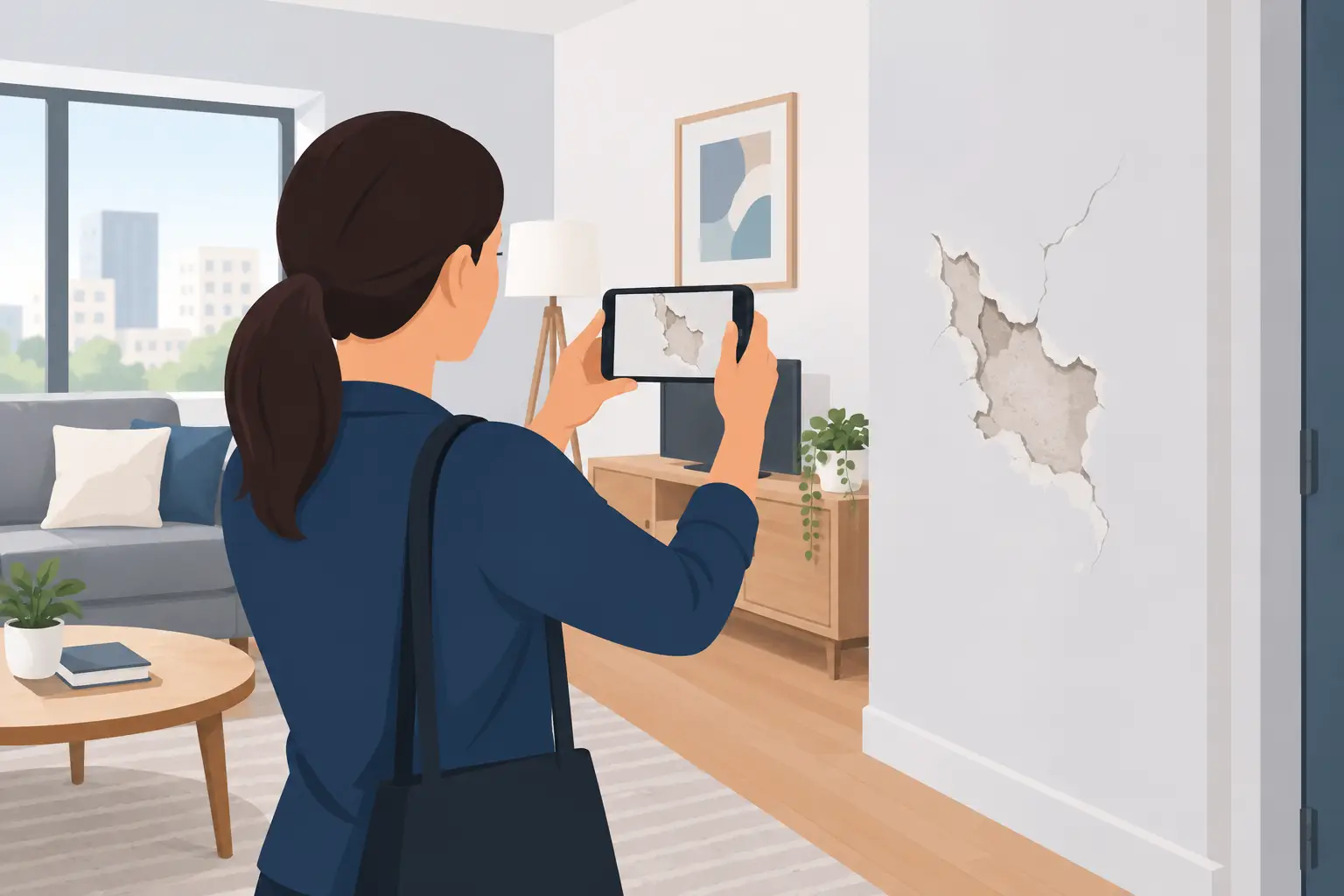
If there is one area where retention is won or lost, it is maintenance. Tenants can tolerate the occasional issue. They rarely tolerate silence, repeated delays, or poor repair quality. A leaking water heater, faulty AC unit, or entrance access problem becomes more than a repair ticket if the tenant feels ignored.
Fast response does not mean approving every request without question. It means acknowledging the issue quickly, assessing responsibility, dispatching the right vendor, and confirming completion. The tenant needs to see that the property is actively managed. The owner needs cost control and proper records. Both matter.
In Tbilisi, response speed also affects reputation inside the building. Tenants talk to neighbors, concierges, and building staff. A unit known for slow owner action becomes harder to renew and harder to re-lease. On the other hand, when problems are handled quickly and professionally, tenants remember that. They may not praise the property every month, but they notice when living there feels dependable.
4. Price renewals with discipline, not emotion
One of the best tenant retention strategies Tbilisi landlords can apply is simple: do not force turnover with avoidable rent shocks. Owners understandably want to keep pace with the market, especially after inflation, rising building fees, or stronger demand in a submarket. But the market rent for a vacant listing is not always the right rent for a renewal.
A renewal decision should compare two numbers: the gain from a higher asking rent and the total cost of losing the current tenant. That cost includes vacancy days, touch-up work, listing refresh, showings, possible commissions, and the risk that the next tenant underperforms. Sometimes an increase is justified. Sometimes keeping a reliable tenant slightly below top-of-market is the better financial outcome.
This depends on property type. Premium units in newer developments may support firmer increases if comparable units are moving quickly. Mid-market apartments may be more price-sensitive, especially if tenants have many substitute options nearby. Good management means reviewing the real economics, not reacting emotionally to headlines about rent growth.
5. Communicate like an operator, not a distant owner
Tenants stay where communication feels stable. That does not mean constant messaging. It means they know where to report issues, when they will get a reply, and how decisions are made. Delayed responses are one of the fastest ways to increase non-renewal risk, particularly for remote owners trying to manage through scattered chats and ad hoc vendor calls.
The best retention systems centralize communication. Requests are logged, updates are documented, and the tenant is not left chasing answers. Even when the answer is no, a clear and timely response is better than silence. Professional communication also protects the owner. It creates a record if disputes arise and helps distinguish genuine maintenance issues from convenience requests or tenant-caused damage.
Execution matters here more than tone. Friendly is good. Reliable is better.
6. Treat renewal as a process, not a last-minute question
Many vacancies happen because renewal conversations start too late. If you wait until the final weeks of the lease, the tenant may already be browsing alternatives, comparing buildings, or planning a move around work or school timing. Retention improves when renewals are managed well before the decision window closes.
A practical approach is to review each tenancy in advance: payment history, unit condition, maintenance pattern, neighbor complaints if any, and current market position. If the tenant is one you want to keep, start the conversation early with a clear proposal. If rent needs to change, explain it directly. If the unit needs minor work to support renewal, schedule it. Good tenants often value certainty as much as price.
This is where hands-on property management creates real financial value. Owners do not just need reminders. They need someone local who knows which tenants should be retained aggressively, which renewals need negotiation, and which tenancies should be allowed to turn over.
7. Keep the property competitive within its building
Tenants do not compare your unit to the whole city. They usually compare it to nearby alternatives and other apartments in the same building or district. If your furnishings are worn, small repairs linger, or the apartment feels neglected, retention falls even if the location is strong.
This does not mean overspending on upgrades. It means maintaining competitiveness. Fresh paint when needed, functioning appliances, clean silicone and grout in bathrooms, good lighting, reliable internet setup, and practical furniture all matter. In many Tbilisi rentals, a modest refresh before the renewal conversation can outperform a larger renovation after vacancy.
There is always a trade-off. Spending too little can increase churn. Spending too much can hurt yield. The right standard depends on the tenant profile you want and the rent band you are targeting.
Retention works best when it is systematic
The owners who get the strongest long-term results do not improvise tenant retention. They systemize it. They select carefully, document clearly, respond quickly, review renewals early, and maintain the apartment to the standard the market expects. That is how vacancy drops, tenant quality improves, and rental income becomes more predictable.
For remote investors, this is difficult to do consistently without local execution. Property Management Georgia approaches retention the same way we approach the rest of asset performance – protect the unit, keep communication tight, and solve issues before they become expensive. That is what keeps reliable tenants in place and keeps your return from leaking out through preventable turnover.
The best closing question for any owner is not, “How do I keep every tenant longer?” It is, “How do I make the right tenants want to stay?” When you manage from that standard, retention stops being guesswork and starts improving your numbers.