
A low entry price can make a Tbilisi apartment look like an obvious win. But a unit that is difficult to register, delayed by the developer, overpriced for its rental segment, or poorly managed after handover can turn a promising purchase into an expensive distraction. This guide to investment due diligence is built for buyers who want income-producing property, not another job in another country.
For remote investors, due diligence is not paperwork for its own sake. It is the process that protects your capital before you send funds, sign an agreement, or rely on projected rental income. The right questions differ between a completed resale apartment and an off-plan new build, but the goal stays the same: confirm what you are buying, what it will cost, and how it can perform once tenants move in.
Start With the Investment Plan, Not the Listing
Do not evaluate an apartment in isolation. First decide what the property must do for your portfolio. Is the priority stable long-term rental income, flexibility for short-term stays where permitted, capital preservation, or future resale? A buyer targeting predictable monthly cash flow may prefer a smaller, finished unit near employment centers or transit. A buyer comfortable with construction risk may accept a longer hold for a new-build purchase at an earlier price point.
This decision shapes every later calculation. A larger unit in a premium project may command a higher rent, but it can also sit vacant longer and require more furnishing capital. A lower-priced studio may lease quickly, yet face more competition from nearly identical units in the same complex. There is no universal “best” apartment. There is only an asset that fits the return, risk, and holding period you have set.
Ask for realistic assumptions, not a single attractive yield figure. Your underwriting should account for acquisition costs, furnishing, repairs, vacancy, management fees, building charges, taxes, and a reserve for unexpected work. Gross rent is not the return you keep.
Guide to Investment Due Diligence: Verify the Asset
Before negotiating price, verify the legal and physical identity of the property. The apartment number in an advertisement, the floor plan, the cadastral information, and the sales agreement must point to the same unit. Small inconsistencies become serious problems when it is time to register ownership or take possession.
For a completed property, review the ownership record and confirm the seller has the legal right to transfer the asset. Check for registered liens, mortgages, restrictions, disputes, or other encumbrances that could affect your purchase. Confirm the cadastral details, stated area, and boundaries or unit designation. If someone is signing on behalf of the owner, verify the authority under which they are acting.
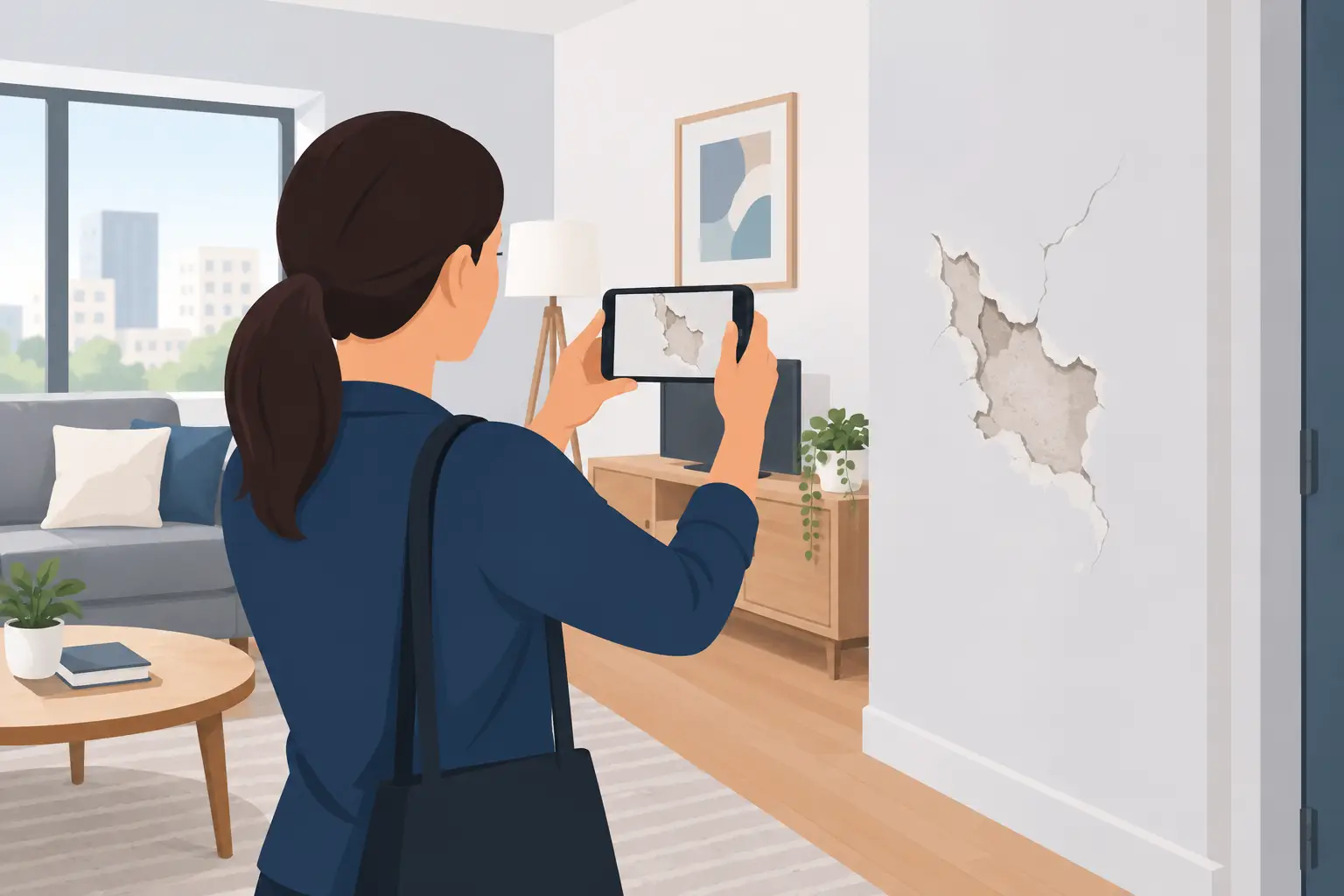
Physical inspection matters even when the building is new. Look beyond staged furniture and a clean lobby. Test water pressure, heating and cooling, windows, locks, appliances, ventilation, drainage, and internet availability. Check the common areas, elevators, entry security, parking access, and signs of unfinished work. An attractive apartment can still create recurring tenant complaints if the building systems are unreliable.
For buyers who cannot visit Tbilisi, use an on-the-ground representative who works for your interests, not only for the sale. Request current video, detailed photos, a walkthrough of the exact unit, and written notes on defects. A remote purchase should have more verification, not less.
Treat New-Build Due Diligence Differently
New developments can offer strong potential, particularly when they are located in areas with growing demand and supported by a credible developer. They also introduce risks that do not exist in the same way with a finished apartment. You are evaluating both the future unit and the party responsible for delivering it.
Review the developer’s completed projects. Visit them if possible or have a local team inspect them. Are buildings finished to a usable standard? Are elevators, entrances, and common areas maintained? Have buyers received their units on schedule? A polished rendering is not evidence of execution.
Read the purchase agreement carefully. It should clearly state the unit, floor area, finish level, payment schedule, handover conditions, deadline, penalties or remedies for delay, and the process for registering the property. Understand what “white frame,” “black frame,” or turnkey delivery includes in practice. The difference may represent a significant additional furnishing and fit-out budget.
Also confirm the project has a credible path to occupancy. A new complex with many investor-owned units can produce a rush of rental listings at handover. That does not make it a poor investment, but it means your expected rent and lease-up timeline should be conservative. Consider the surrounding streets, access, retail, transportation, and nearby supply that will compete for the same tenant.
Validate Rental Demand at Street Level
Rental projections should come from comparable active listings, leased properties where available, and local operating experience, not from the highest advertised rate online. Asking rents are not achieved rents. A listing that remains active for weeks may be priced above the market or have a weakness that is not obvious in photographs.
Compare apartments that genuinely compete with yours: similar neighborhood, building quality, size, furnishing standard, floor, condition, and parking or view. Then ask how long they typically take to lease and what tenants expect at that price point. In Tbilisi, demand can vary sharply by location and tenant profile. A unit suited to an expatriate tenant may need a different furnishing package, service standard, and marketing approach than one aimed at local long-term renters.
Factor in vacancy honestly. Even well-positioned apartments can have turnover, seasonal softness, or repair periods between tenants. A deal that works only at full occupancy and top-of-market rent is fragile. A stronger acquisition still produces acceptable cash flow if rent is modestly lower or the unit takes longer to lease.
Build a Cost Model That Includes Operations
The purchase price is only the opening number. A complete investment model should identify the full cost of putting the property into service and keeping it there. At minimum, include the following:
- Purchase and registration-related costs, legal review, bank charges, and currency conversion exposure where relevant.
- Furniture, appliances, curtains, kitchen equipment, air conditioning, repairs, and initial cleaning.
- Monthly building fees, utilities during vacancy, insurance where appropriate, tax obligations, and management fees.
- A reserve for maintenance, tenant damage not fully recoverable from a deposit, replacement items, and periods without rent.
The exact tax and ownership implications depend on your residency status, income structure, and current regulations. Confirm these details with qualified local legal and tax professionals before purchasing. Do not assume that a tax treatment available to one buyer applies to every foreign owner or every rental strategy.
Operational planning is where many remote investors underestimate the work. Who will show the unit? How will tenant applications be screened? Who collects rent, documents repairs, handles noise complaints, coordinates vendors, and responds if a tenant stops paying? If the answer is “I will handle it from abroad,” the investment is not hands-off.
Check Whether the Building Supports Your Strategy
A well-finished apartment cannot overcome a poorly operated building. Ask about building management, common-area maintenance, security, utilities, parking rules, pet policies, and any restrictions that affect leasing. Confirm who is responsible for defects after handover and whether residents have recurring complaints about water, power, elevators, heating, or access.
This is especially relevant in projects marketed heavily to investors. The management of common areas shapes tenant retention and protects the building’s reputation. If hallways are neglected, entry systems fail, or repairs are slow, better tenants often choose another building when their lease ends.
You should also consider liquidity. A property can generate rent and still be difficult to resell if the project has too much identical inventory, weak location fundamentals, or persistent quality issues. Review supply in the surrounding area and avoid relying on future price appreciation to make the deal work.
Put Accountability in Place Before Closing
Due diligence should end with a clear operating plan, not a folder full of documents. Before you close, decide who will take possession, inspect the final condition, arrange furnishing, market the apartment, screen tenants, collect rent, and approve repairs. Set reporting expectations and spending limits in writing.
Property Management Georgia helps owners connect acquisition decisions with the work that follows: preparing the unit, placing qualified tenants, coordinating maintenance, and keeping rental operations organized. That continuity matters because the details discovered before purchase should inform how the property is priced, furnished, and managed afterward.
The best time to protect rental income is before the funds leave your account. Buy the apartment you can verify, budget for the operation you can support, and appoint a local team that treats the asset with the same discipline you would use if you were standing in the building yourself.