An apartment can look like a simple investment from abroad: buy in a growing Tbilisi neighborhood, place a tenant, collect rent. The operational reality is less simple. A late payment, a leaking pipe, an unresponsive tenant, or a vacant unit can quickly become expensive when the owner is in another country. Remote landlord management is the system that keeps those small issues from becoming losses.
For overseas owners and diaspora investors, the goal is not to receive occasional updates. The goal is to have a responsible local operator protecting the property every day, making sound decisions quickly, and keeping the rental business moving without requiring the owner to manage calls across time zones.
What Remote Landlord Management Should Cover
Remote management is more than handing over keys and finding a renter. A property needs continuous attention from the first listing through tenant turnover. When one part is weak, performance suffers. A well-marketed unit with poor screening can create payment problems. A reliable tenant in an unmaintained apartment may leave at the end of the lease. Fast leasing without proper records can create confusion when a dispute arises.
A complete local management process should include tenant sourcing, applicant qualification, lease administration, rent collection, tenant communication, maintenance coordination, inspections, reporting, and support when a tenant issue needs formal escalation. The owner should have one accountable point of contact rather than a different agent, handyman, and accountant for every problem.
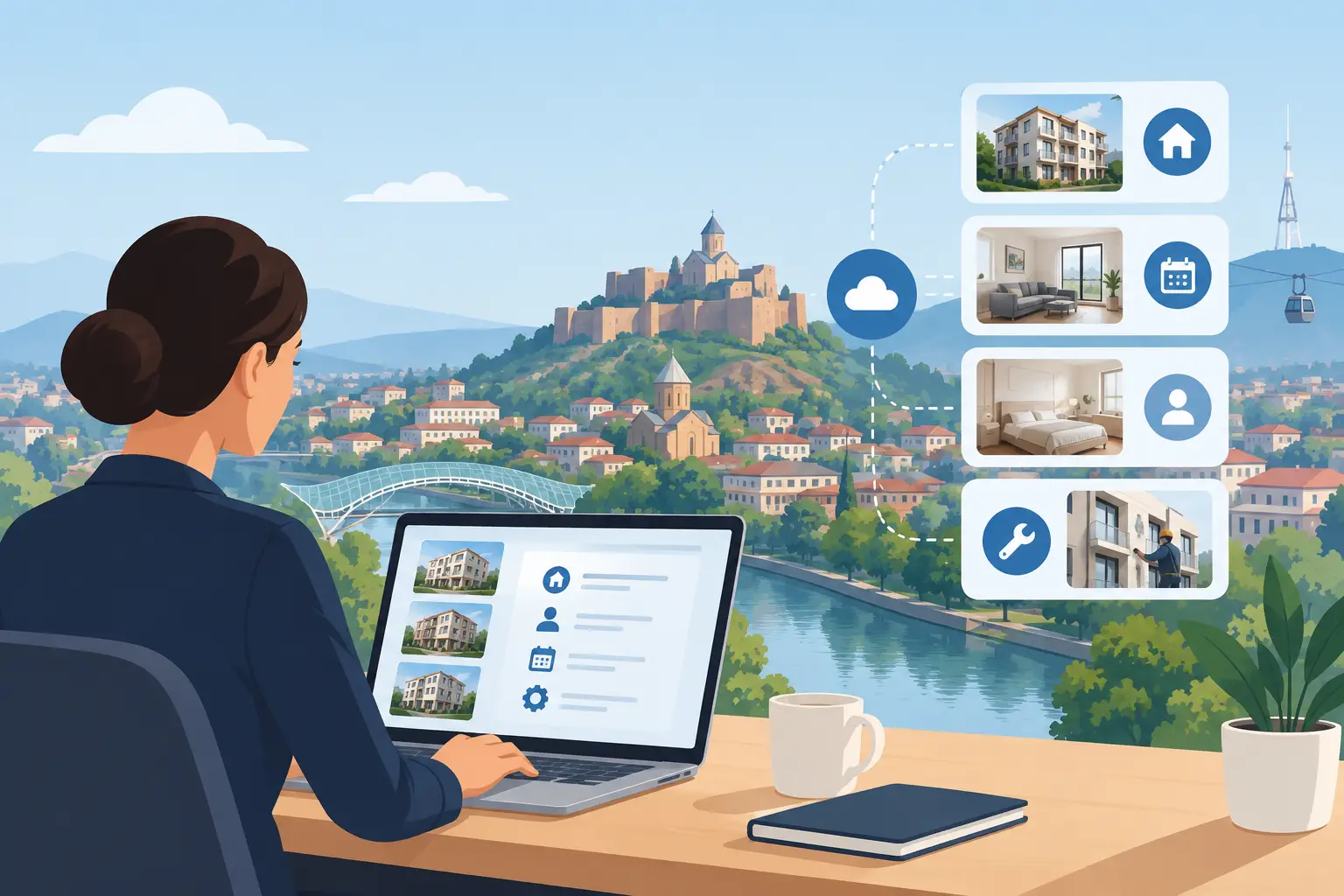
This matters especially in Tbilisi, where a local team can assess an apartment in person, coordinate vendors, understand neighborhood rental demand, and respond before a routine issue affects occupancy or tenant satisfaction.
Start With the Right Property and Rental Positioning
Remote operations are easier when the investment itself is suited to the rental market. Before purchasing, owners should evaluate more than the asking price. Building quality, location, access, furnishing requirements, expected tenant profile, and competing inventory all affect the income a unit can realistically produce.
New-build complexes can be attractive to investors because they may offer modern layouts, lower early maintenance needs, and clear appeal for long-term tenants. But not every new development performs the same way. A lower entry price may come with weaker demand, unfinished surrounding infrastructure, or a long period before the building becomes fully occupied. Higher rental potential is useful only if the property can maintain occupancy.
Rental positioning also needs to be accurate. Setting rent too high can leave a unit empty for weeks. Setting it too low may fill the property quickly but reduce returns for the entire lease period. A local manager should compare the unit with active competition, account for furnishings and condition, and adjust pricing based on real demand rather than an optimistic estimate.
Tenant Screening Protects More Than Rent
The tenant is the largest operational variable in any rental property. A vacant apartment produces no income, but a poorly selected tenant can cost more than a short vacancy through unpaid rent, damage, repeated complaints, and a difficult move-out process.
Screening should be disciplined and consistent. That means verifying the applicant’s identity, reviewing employment or income evidence where available, understanding the intended occupancy, and discussing lease expectations before keys are handed over. For furnished apartments, it should also mean documenting the unit’s condition and inventory at move-in.
The right screening standard depends on the property and target market. A premium apartment aimed at corporate or international tenants may require a different qualification process than a practical unit intended for local long-term renters. What should not change is the manager’s willingness to decline an applicant who creates clear risk.
Owners who manage remotely sometimes feel pressure to accept the first interested party because they cannot see the situation themselves. That is exactly when a local team must act as the owner’s representative, not simply as a booking service.
Rent Collection Needs a Clear Process
Predictable cash flow comes from process, not from hoping tenants pay on time. The lease should establish payment timing, payment method, deposit terms, and the consequences of late payment. The tenant should know whom to contact, where to pay, and what happens if an issue affects their ability to pay.
When rent is late, speed matters. A missed payment should trigger prompt communication and documented follow-up. Some cases are resolved quickly through a reminder. Others require a firmer response, a payment arrangement, or formal action. The appropriate step depends on the tenant’s history, the lease terms, and applicable local requirements.
Remote owners should receive clear reporting that shows rent received, outstanding balances, management charges, maintenance expenses, and any action being taken. Vague messages such as “everything is fine” are not enough. Good reporting gives owners control without forcing them into day-to-day administration.
Maintenance Is Where Remote Owners Lose the Most Time
Maintenance problems rarely arrive at convenient times. A water leak may be reported late at night. An appliance may fail just before a tenant moves in. A minor repair can become a larger expense if no one assesses it promptly.
The practical value of local management is response and coordination. The manager receives the tenant’s report, determines whether the issue is urgent, arranges access, obtains the appropriate vendor, monitors the work, and keeps the owner informed when approval is required. This prevents the owner from trying to find a plumber in Tbilisi from another country while the tenant waits for help.
Cost control should still be part of the process. Not every repair requires multiple quotes, particularly when immediate action is needed to prevent further damage. For larger or non-urgent work, the owner should receive a clear explanation of the issue, expected cost, and recommended scope before funds are spent. The balance is simple: act fast when the asset is at risk, and document decisions when there is time to review options.
Inspections and Records Make Problems Manageable
A remote owner cannot rely on visual impressions from a tenant or a vendor. Periodic inspections provide a practical view of the property’s condition, identify maintenance before it becomes serious, and confirm that the apartment is being used appropriately.
Move-in and move-out documentation are equally important. Photos, inventory records, meter readings, and written condition reports create a baseline. Without them, disagreements about damage, missing items, or utility balances become harder to resolve fairly.
Record-keeping also supports better investment decisions. Over time, an owner should be able to see how often the unit was vacant, what repairs were required, which upgrades improved rental appeal, and whether the property is meeting its expected return. That information helps determine whether to hold, improve, refinance, or add another unit to the portfolio.
When Tenant Issues Require Firm Local Action
Most tenancies are routine when expectations are clear and communication is timely. Still, owners should choose a management partner based on how that partner handles the difficult cases, not just the easy ones.
Repeated late payments, unauthorized occupants, property damage, refusal to communicate, or lease violations require documented action. A capable manager communicates with the tenant, preserves records, follows the required process, and escalates when necessary. This is not about creating conflict. It is about preventing one unresolved issue from consuming months of income and attention.
For an overseas owner, the key question is whether the local team will take ownership of the problem. Property Management Georgia is built around that responsibility: tenant handling, repair coordination, rent follow-up, and issue resolution managed on the ground so the owner is not left chasing answers from abroad.
How to Set Up Remote Landlord Management Correctly
The strongest setup starts before the first tenant moves in. Owners should agree with their manager on rental pricing, approval limits for repairs, reporting frequency, preferred communication channel, and the level of authority the manager has in urgent situations. A manager who must wait for approval to stop an active leak is not positioned to protect the asset.
Owners should also provide clear documentation, including ownership details, property access information, appliance warranties where relevant, utility account status, and an inventory of furnishings. This reduces delays during leasing, maintenance, and tenant turnover.
Finally, judge performance by the results that matter: occupancy, rent collection consistency, property condition, maintenance response, accurate records, and the amount of owner time required. The lowest management fee is not always the lowest-cost option if weak screening, delayed repairs, or poor communication create larger losses.
The best remote setup gives you visibility without giving you another job. When a trusted local team is accountable for the apartment, you can focus on portfolio decisions while the daily work of protecting your rental income is handled where it needs to be – on the ground in Tbilisi.