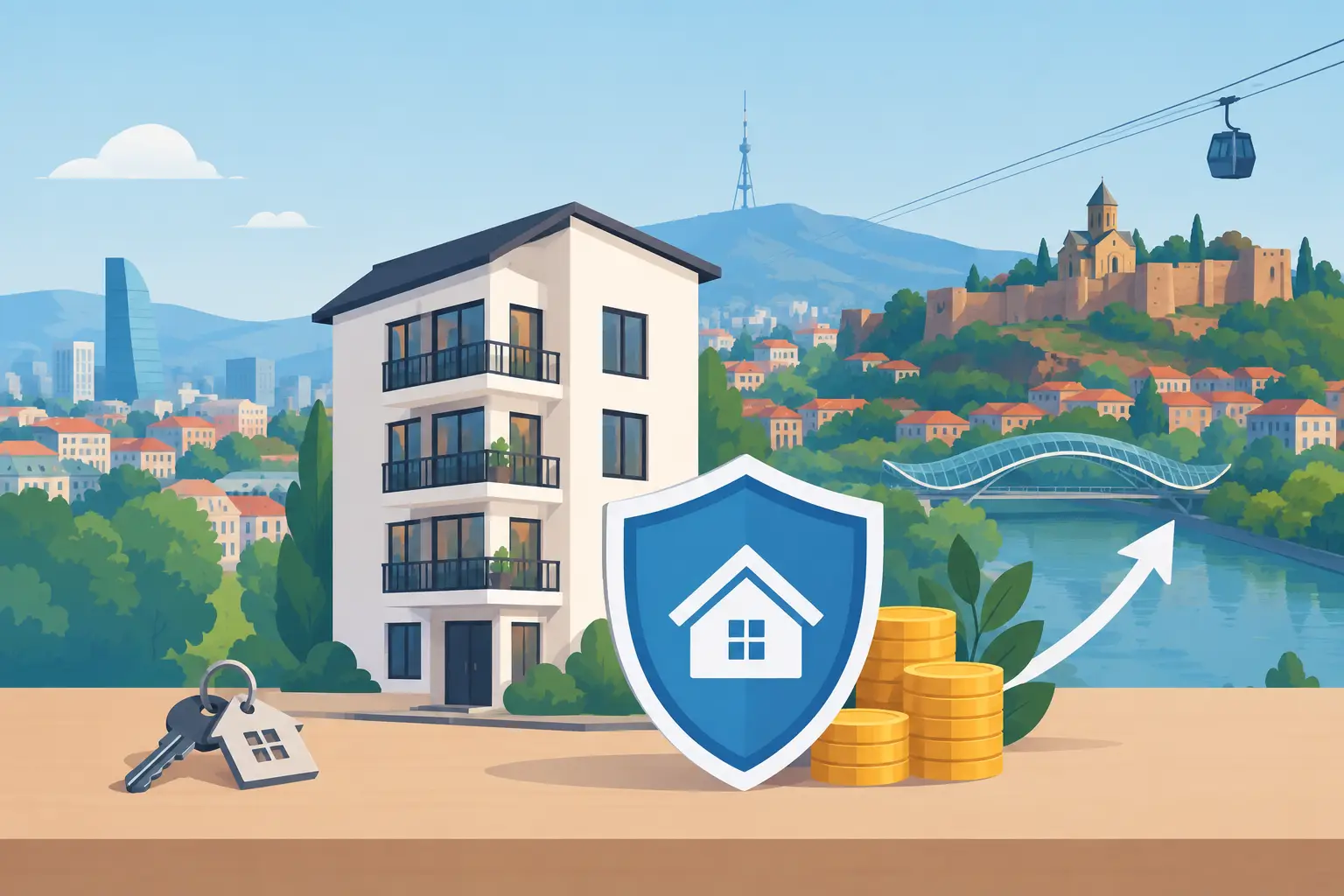

A portfolio acquisition example in Tbilisi is rarely about finding three attractive apartments and waiting for rent to arrive. The real work is deciding what to buy, setting a disciplined budget, verifying the building and developer, preparing each unit for tenants, and keeping operations under control after the purchase closes.
For a remote investor, one weak unit can consume more time than the other two combined. A delayed handover, poor furnishing decisions, an unqualified tenant, or an unanswered maintenance issue can quickly turn projected yield into a costly distraction. That is why portfolio growth needs an operating plan from the first reservation payment.
A Portfolio Acquisition Example in Tbilisi
Consider an overseas investor with a $300,000 capital budget who wants dependable rental income rather than a speculative resale strategy. The objective is to acquire three one-bedroom apartments in well-connected Tbilisi locations, place qualified tenants quickly, and create a portfolio that can be managed without the owner handling calls, repairs, or collections from another country.
The investor does not deploy the entire $300,000 into purchase prices. That is a common mistake. A workable acquisition budget separates the cost of the units from closing expenses, furnishing, initial repairs, utility setup, and a contingency reserve. In this example, the investor allocates approximately $255,000 to the apartments and keeps the remaining capital available for making the units rental-ready and absorbing early operating surprises.
The exact neighborhood depends on the tenant profile. Professionals may prioritize transport access, modern buildings, parking, and proximity to business districts. Students and young tenants may value metro access and lower monthly rent. Short-term rental demand may look attractive in central locations, but it also brings higher turnover, furnishing wear, guest communication, and more active pricing management. For an investor seeking stability, long-term tenants in practical residential locations can be the better fit.
The acquisition mix
The portfolio is built around three units rather than one large apartment. Each unit has a clear rental purpose and a price point that supports broad tenant demand.
The first apartment is a completed one-bedroom unit in a modern new-build complex near a transport corridor. It costs $92,000 before furnishing. The building has controlled access, elevators, reliable common areas, and a layout that works for a single professional or couple. Its expected long-term rent is $750 per month.
The second is a one-bedroom unit purchased during the final stage of construction for $82,000. The lower entry price improves the potential return, but the investor accepts delivery risk. Before committing, the team verifies the developer’s track record, delivery timeline, handover specifications, and the costs required to bring the apartment from shell-and-core or white-frame condition to a rentable home. Expected rent after completion and furnishing is $700 per month.
The third is a compact, completed apartment bought for $81,000 in an area with consistent demand from local and international tenants. It is not the most luxurious unit in the portfolio, but it has a functional kitchen, good natural light, a manageable service charge, and convenient access to daily services. Expected rent is $650 per month.
Together, the projected gross rent is $2,100 per month, or $25,200 annually. That figure is useful, but it is not the investor’s return. Gross rent does not account for vacancy, management, maintenance, furnishing replacement, building fees, taxes, or occasional tenant turnover. Serious investors underwrite the income after these realities are considered.
Why three units can reduce portfolio risk
Three apartments do not eliminate risk, but they reduce dependence on one tenant and one building. If one unit is vacant for a month, the other two can still produce income. If a repair is required in one apartment, it does not shut down the portfolio’s entire cash flow.
This approach also creates flexibility. The owner can renew a strong tenant, adjust rent on a vacant unit based on current market conditions, or sell one apartment later without dismantling the whole investment. A single expensive apartment may appreciate well, but it concentrates vacancy and maintenance exposure in one asset.
There is a trade-off. Multiple units mean more furnishing decisions, more handovers, and more lease administration. That only works when one local team owns the process, maintains proper records, and responds before minor problems become expensive ones.
Turning purchased units into rental assets
The acquisition is only the first stage. In this example, the owner sets aside roughly $30,000 to furnish all three apartments, complete minor finish work, purchase appliances, install internet where needed, and create a contingency reserve. The goal is not to overdesign each unit. It is to provide a clean, durable, tenant-ready home that rents quickly and is straightforward to maintain.
A practical furnishing specification should match the target rent. Durable flooring, functional storage, a proper bed and mattress, reliable appliances, blackout curtains where appropriate, and clear lighting matter more than decorative items that look good in photos but fail under daily use. Every item should be documented before move-in, with photos and an inventory record.
Next comes pricing. Setting rent too high can leave an apartment empty while carrying costs continue. Setting it too low may fill the unit quickly but reduce annual performance and attract applicants who do not match the intended tenant profile. Pricing should reflect comparable listings, building quality, unit condition, seasonality, and the actual features tenants will pay for.
Tenant selection protects the investment more than any advertising campaign. Applicants should be screened for income reliability, identity, rental purpose, and ability to meet lease obligations. A fast placement is useful only when the tenant is qualified. The cost of replacing a problematic tenant, repairing damage, or pursuing unpaid rent is much higher than the cost of careful screening at the start.
What the owner sees after stabilization
Once all three apartments are leased, the investor receives consistent reporting rather than a stream of scattered messages. Rent collection, tenant communication, maintenance coordination, inspection records, and payment documentation should sit within a repeatable operating process.
The owner should expect normal variance. A tenant may move out. An appliance may fail. A building-wide issue may require follow-up with management. The question is not whether these events happen. The question is whether they are handled quickly, documented properly, and resolved with the owner’s financial interest in mind.
For example, if the $81,000 unit becomes vacant after a year, the management team inspects the apartment immediately, identifies any tenant-caused damage, coordinates cleaning and repairs, refreshes the listing, screens applicants, and restores occupancy. A delayed response can turn a two-week turnover into two months of lost rent. Active management protects both income and asset condition.
Property Management Georgia approaches this work as an owner-side responsibility: protect the unit, keep communication moving, and prevent small operational gaps from weakening the portfolio.
The decisions that determine whether the example works
This portfolio performs well only if the assumptions remain disciplined. The investor should avoid buying based solely on a developer’s projected rent or a polished rendering. Completed-condition costs, service charges, taxes, furnishing needs, leasing demand, and possible vacancy must be considered before funds are committed.
It also matters whether the investor wants income now or is willing to wait for a new development to deliver. Pre-construction or near-completion units can offer a lower entry point, but they introduce timing risk. Completed units provide faster leasing potential and clearer visibility into the finished building, though they may command a higher price. Neither route is automatically better.
A sensible Tbilisi portfolio is not built by chasing the highest advertised yield. It is built by acquiring units tenants genuinely want, reserving enough capital to finish them correctly, and putting day-to-day control in the hands of a local operator who treats every vacancy, repair, and lease decision as part of the investment result.
The best next move is to model the first three units before buying the first one. When acquisition, setup, tenant placement, and ongoing management work as one plan, a remote owner can keep the return without inheriting the daily burden.