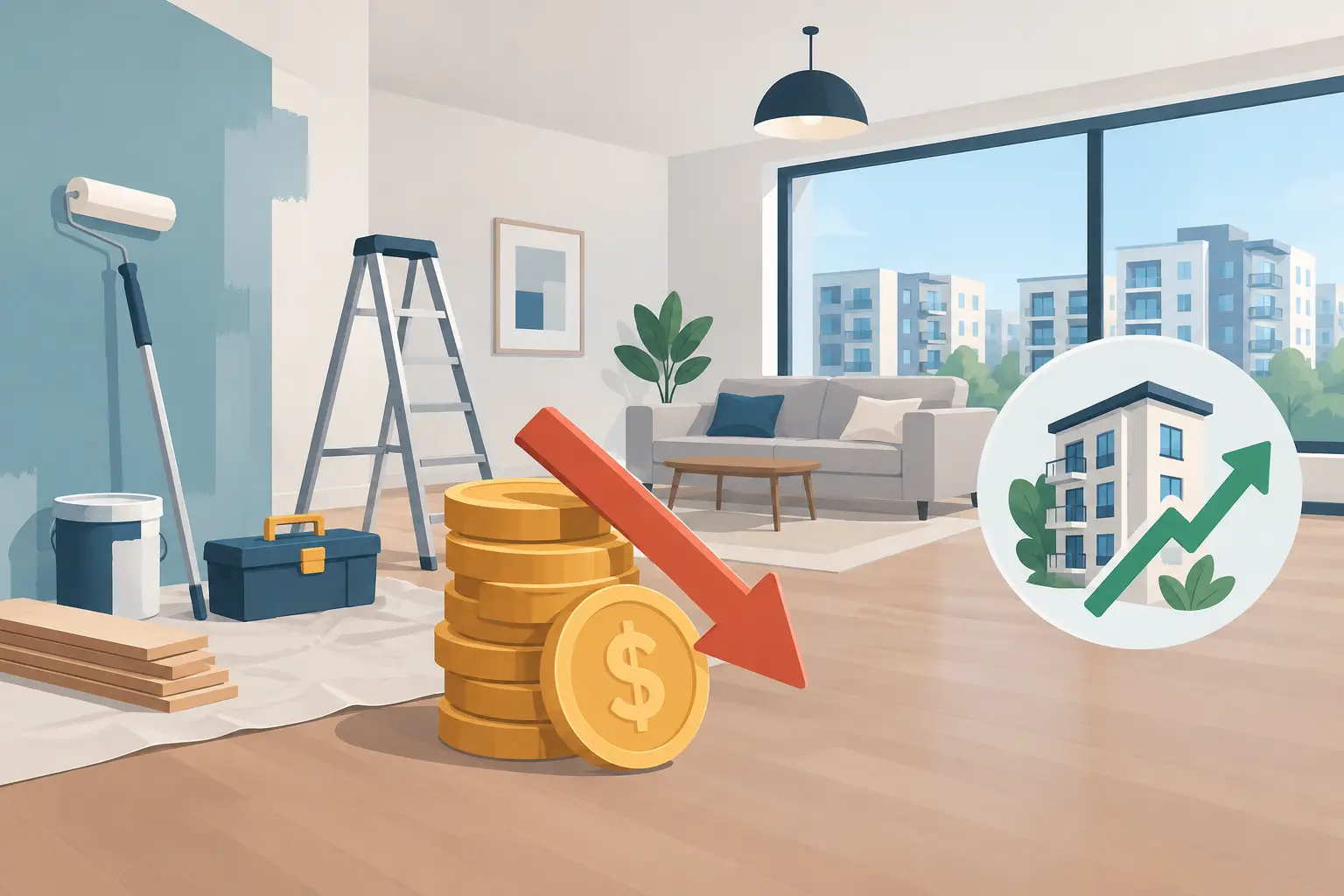
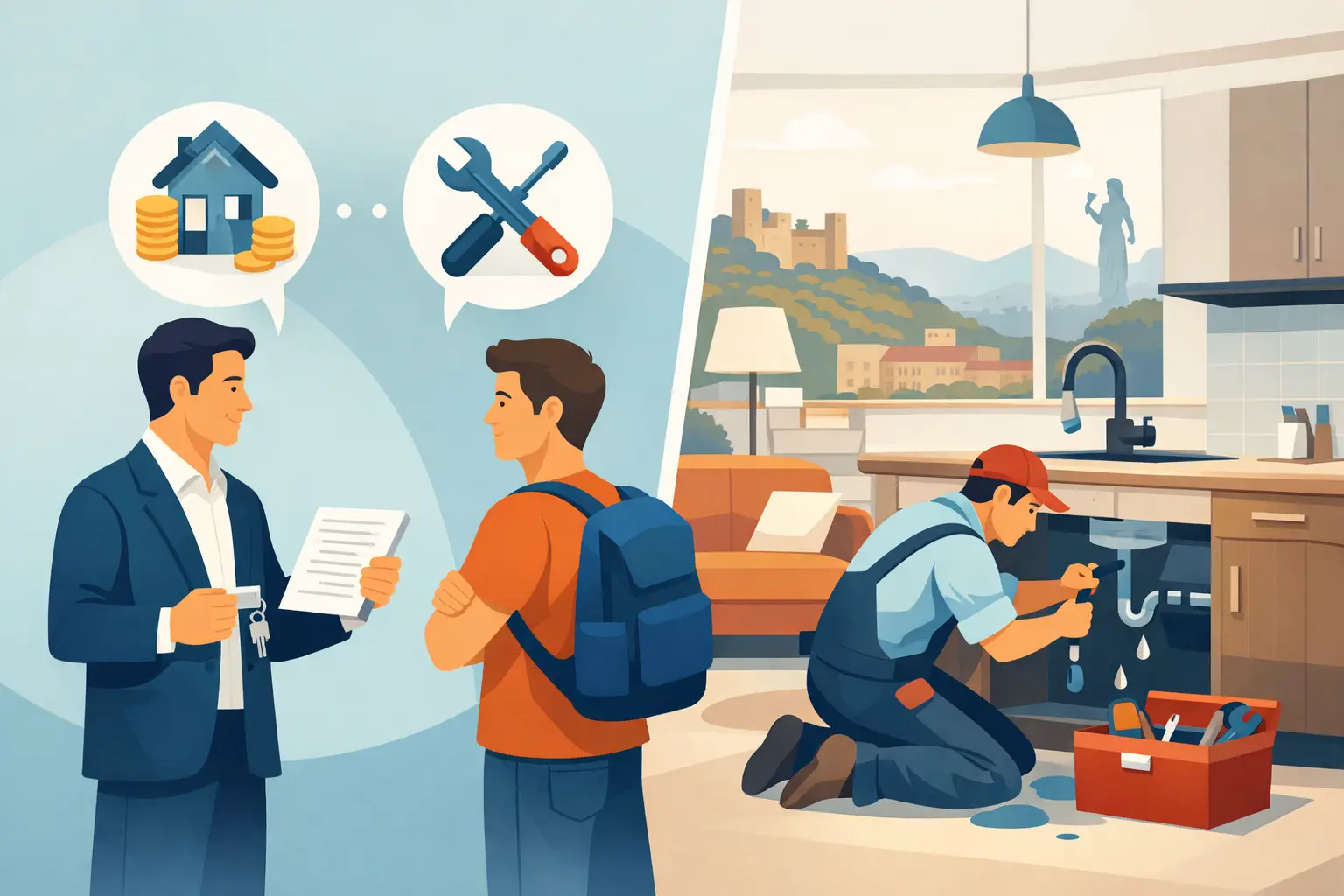
A leaking washing-machine hose can become a damaged-floor claim within hours. When owners ask who pays apartment repairs, the useful answer is not simply “the landlord” or “the tenant.” It depends on what failed, why it failed, what the lease says, and whether the issue was reported quickly. For a remote owner in Tbilisi, clear repair responsibility protects both rental income and the apartment itself.
Who Pays Apartment Repairs? Start With the Cause
A landlord generally pays for repairs caused by ordinary wear, aging equipment, construction defects, or failures in building systems that the tenant did not cause. If an air conditioner stops cooling after years of use, a boiler develops a fault through normal operation, or a concealed pipe leaks, those are normally owner expenses.
A tenant generally pays when damage comes from misuse, negligence, an unauthorized alteration, or failure to report a developing problem. A cracked cooktop after an impact, a blocked drain caused by improper disposal, or water damage that worsens because the tenant ignored a leak may be charged to the tenant. The key word is evidence. A property manager should not make assumptions based on a message or photo alone.
Some cases sit in the middle. If a tenant breaks an old cabinet hinge that was already loose, the owner may reasonably cover it. If a tenant repeatedly overloads the washing machine and damages its drum, the tenant may be responsible. Good management means assessing the condition, documenting the facts, and reaching a decision that is consistent with the lease.
The Owner’s Repair Responsibilities
Owners are responsible for providing a rental that is safe, usable, and maintained as agreed. In practice, that usually includes the apartment’s fixed systems, supplied appliances, and items that were in working condition at move-in. It also includes repairs that preserve the asset before minor defects become expensive claims.
For apartments in Tbilisi, owner-funded repairs commonly include plumbing faults inside the unit, boiler servicing or replacement, electrical issues, heating and cooling equipment, appliance failures from age, and repairs to doors, windows, locks, or fixtures that fail through normal use. Building-level issues can require separate coordination with the building administrator or developer, particularly in newer complexes with common-area systems, elevators, facades, or central infrastructure.
The owner also carries the financial risk when a repair is necessary to keep the apartment rentable. Delaying a boiler repair in winter or leaving a persistent moisture issue unresolved can lead to vacancy, tenant disputes, mold, and broader structural damage. The cheapest repair is often the one authorized early.
This does not mean an owner should approve every request without review. A tenant may describe a minor adjustment as a major breakdown, or request a cosmetic upgrade rather than a repair. The manager’s job is to separate necessary maintenance from convenience requests and provide the owner with a clear recommendation when approval is required.
When the Tenant Should Pay
Tenant responsibility begins where normal use ends. The lease should state that tenants must use the apartment and its equipment responsibly, keep it reasonably clean, report defects promptly, and avoid repairs or modifications without consent.
Common tenant-charge situations include damage to furniture or appliances caused by misuse, broken glass caused by the tenant or guests, lost keys and lock changes, damage from pets where pets are permitted, and unauthorized painting, drilling, or fixture replacement. If a tenant installs equipment without permission and it causes electrical or water damage, responsibility should be clear.
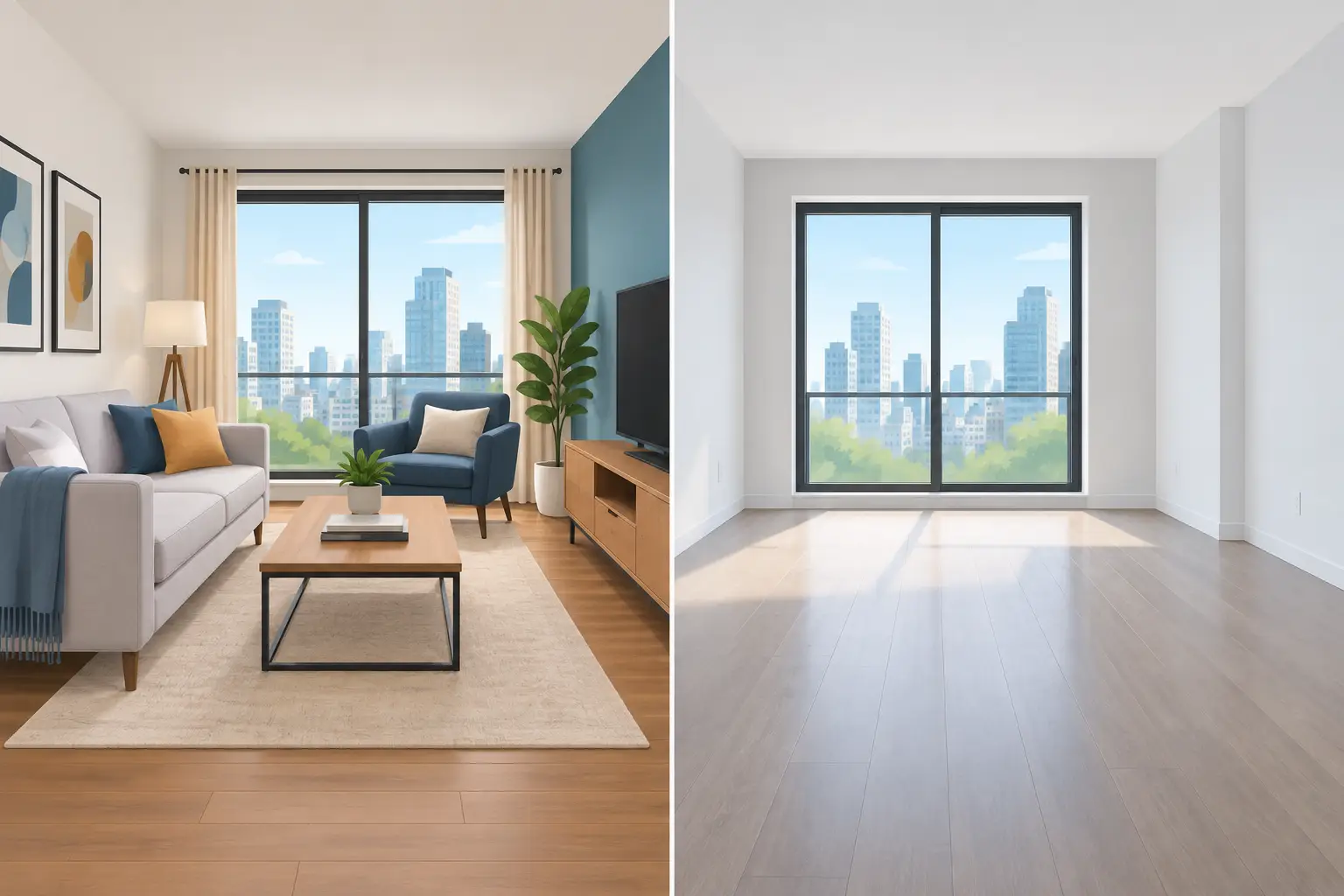
A security deposit may help cover verified tenant-caused damage at move-out, but it should not become a substitute for proper documentation. Move-in photos, a signed inventory, condition reports, invoices, and repair photographs give the owner a defensible record. They also reduce arguments with tenants who believe a pre-existing issue is being charged to them.
Normal wear is different from damage. Faded curtains, worn sofa fabric, small scuffs from ordinary living, and an aging appliance are usually ownership costs. Charging a tenant for normal depreciation can create an avoidable dispute and make a fair deposit settlement harder.
Why the Lease Controls Repair Decisions
The lease is the operating manual for repair responsibility. It should identify what is included in the apartment, set reporting requirements, explain access for repairs, and distinguish emergency maintenance from non-urgent requests. For furnished rentals, a detailed inventory is especially important because the owner is supplying more items that can fail, wear out, or be damaged.
A strong lease also addresses approval limits. For example, it can allow a tenant to take reasonable steps to prevent immediate damage in an emergency while requiring prompt notification. It can state that the owner or manager selects contractors, except where delay would create a clear safety risk or cause substantial property damage.
Local law and the specific signed agreement may affect the final answer in a dispute. Owners should avoid copying a generic lease from another country and assuming it fits a Georgian rental. The contract should be reviewed for the actual property, furnishings, building rules, and tenant profile.
Emergency Repairs Need a Faster Process
Not every repair needs the same response time. A loose cabinet handle can wait for a scheduled visit. Water escaping onto the floor cannot. Remote owners need an agreed process before an emergency happens, not after a tenant is frustrated or the damage has spread.
The issues that normally require immediate action are:
- Active water leaks, flooding, or sewage backup
- Electrical burning smells, sparking, or loss of essential power
- Gas odors or a suspected gas-system fault
- No heat, hot water, or secure entry where conditions make the apartment unsafe
For these cases, the priority is to stop the damage and protect people. The manager should coordinate access, send a qualified contractor, document the condition, and update the owner with the cause, estimated cost, and recommended next step. If the issue is clearly tenant-caused, that assessment can be addressed after the property is secure.
Repair Approval Limits Keep Costs Under Control
An owner who approves every small repair personally may save a few lari on one invoice but lose time, tenant confidence, and momentum across a portfolio. On the other hand, a manager with no spending controls can create surprise costs. The practical solution is a written approval threshold.
Many owners authorize their manager to approve routine repairs up to a set amount, with immediate authority for genuine emergencies. Larger repairs should come with photos, a contractor diagnosis, cost options where appropriate, and an explanation of whether the expense is owner-funded, tenant-chargeable, or related to a building responsibility.
This process is particularly useful for international investors. Time-zone differences should not leave a leaking pipe unanswered for half a day. Clear authority lets the local team act quickly while preserving the owner’s control over larger capital decisions.
Building Repairs Can Create a Third Responsible Party
Inside an apartment, the owner and tenant are the main parties. But in a managed building, common-area systems introduce another layer. A leak may originate from a roof, riser pipe, neighboring unit, facade defect, or shared heating infrastructure. In that case, the building administration, developer, insurer, or another owner may be involved.
The apartment owner should still ensure the tenant has a responsive point of contact. The tenant should not be left to chase a developer or building administrator alone. A capable manager identifies the source, opens the relevant request, follows up, and records all communication. Meanwhile, temporary steps may be necessary inside the apartment to prevent further loss.
Documentation Turns Repairs Into Asset Protection
Maintenance is not merely an expense line. It is a record of how the asset is being protected. Every meaningful repair should have a request date, photos or videos where useful, a diagnosis, contractor details, invoice, payment record, and notes on responsibility. For tenant-caused damage, the file should also show the relevant lease clause and move-in condition evidence.
This discipline matters when the tenant moves out, when an owner sells, or when a recurring fault points to a larger capital issue. Replacing a failing appliance may be more economical than paying for repeated callouts. Repair records make that decision visible rather than reactive.
Property Management Georgia coordinates this work locally so owners are not pulled into every contractor call, tenant message, or building-office follow-up. The goal is simple: resolve legitimate issues quickly, charge fairly when damage is tenant-caused, and keep the apartment earning without neglecting the condition of the asset.
The best time to decide who pays is before the first repair request arrives. Set the lease terms, approval limits, documentation standards, and emergency process at the start of the tenancy, then let every decision follow the same disciplined framework.