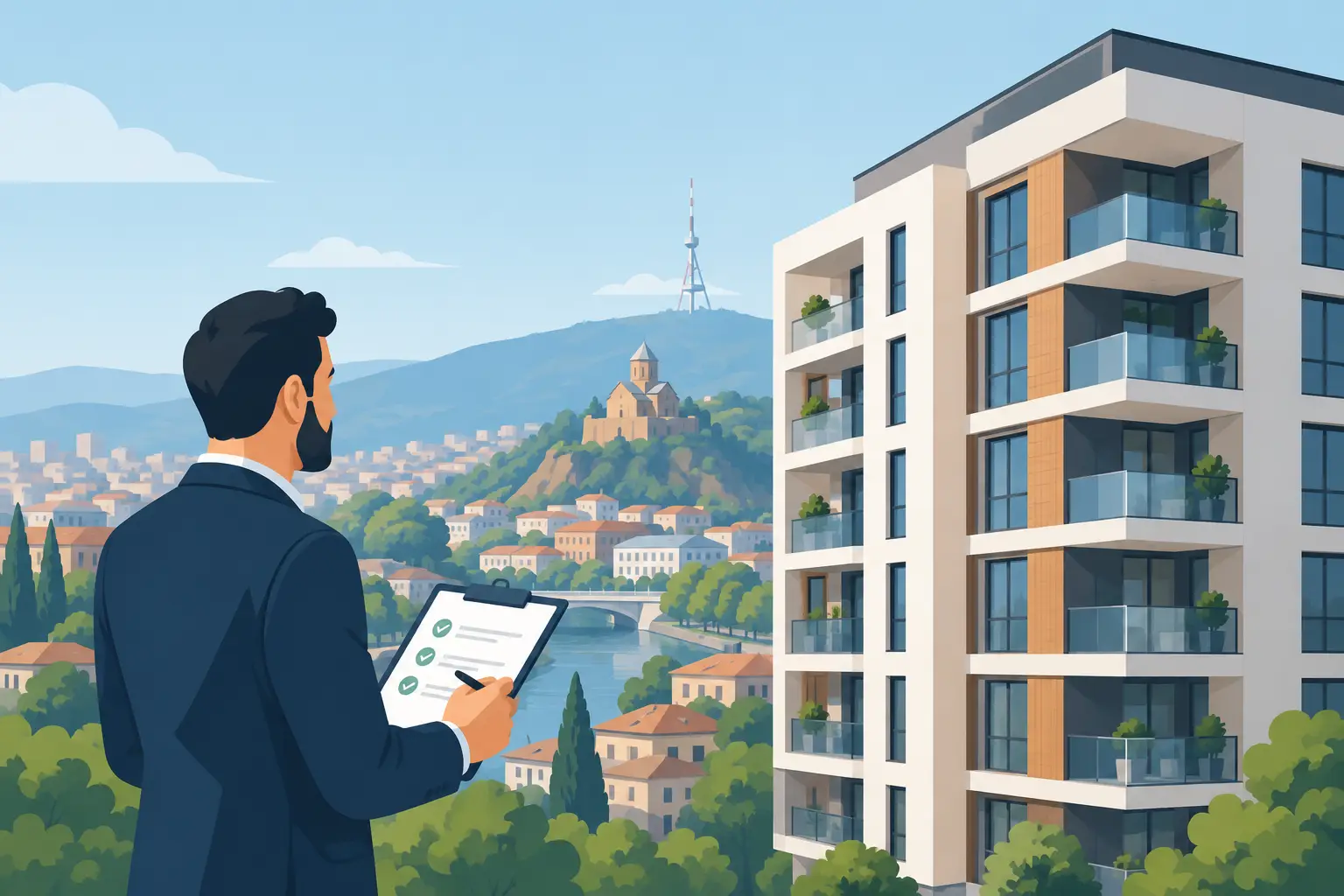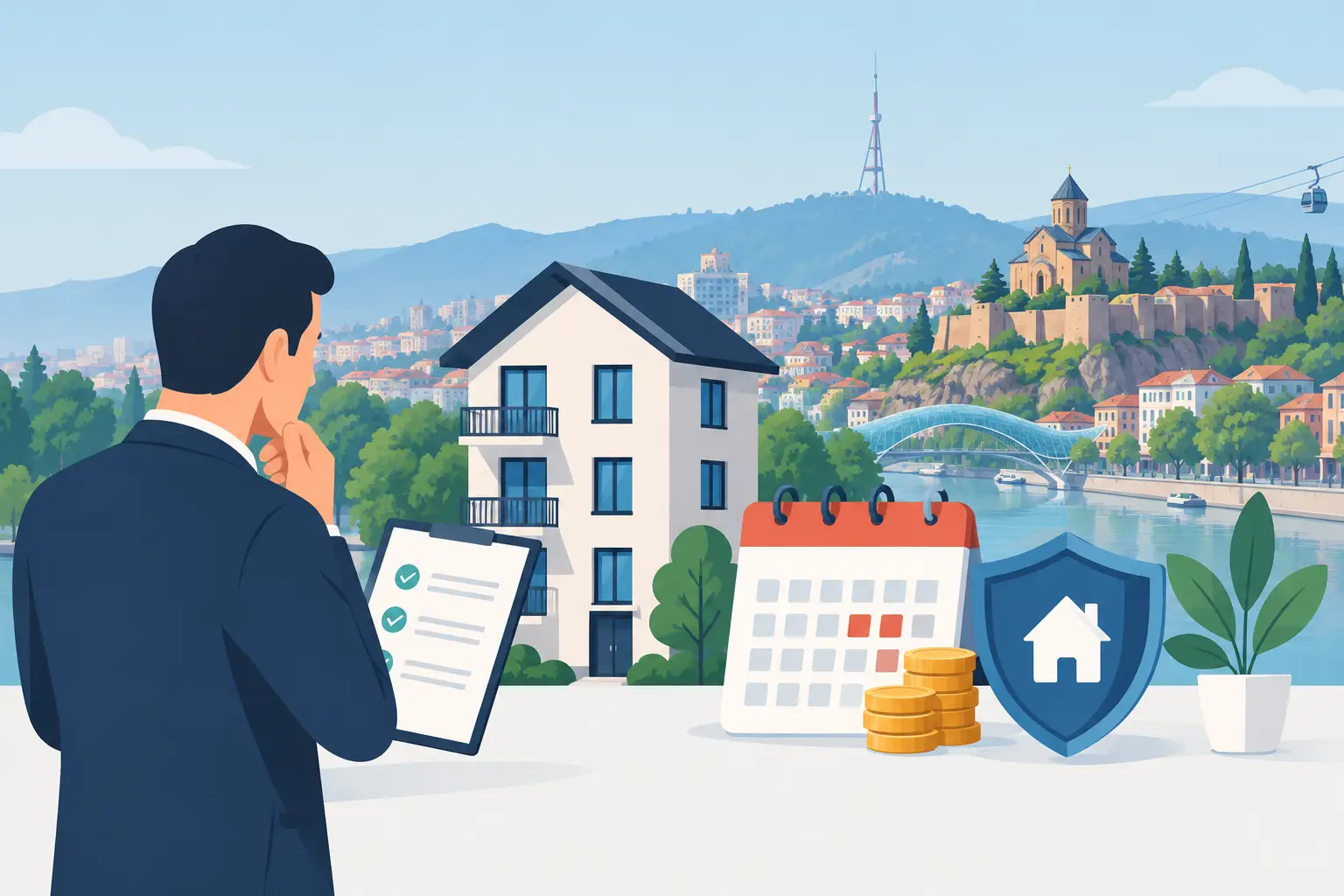
A rental apartment can be purchased from another country in a few clicks. Keeping that apartment occupied, maintained, compliant, and profitable is where the real work begins. The future of remote property ownership is not about removing people from the process. It is about giving owners better visibility while putting accountable local operators in charge of the work that protects rental income.
For international buyers and diaspora investors in Tbilisi, this shift matters. Georgia remains accessible for overseas investment, and new residential projects continue to give investors choices across price points and neighborhoods. But access to an asset is not the same as control over its performance. A property can look excellent in photos, then lose months of income because no one responds to a tenant quickly, approves a repair, follows up with a contractor, or addresses a payment issue before it grows.
Remote ownership will become more common. Passive ownership will become more expensive.
The Future of Remote Property Ownership Is Operational
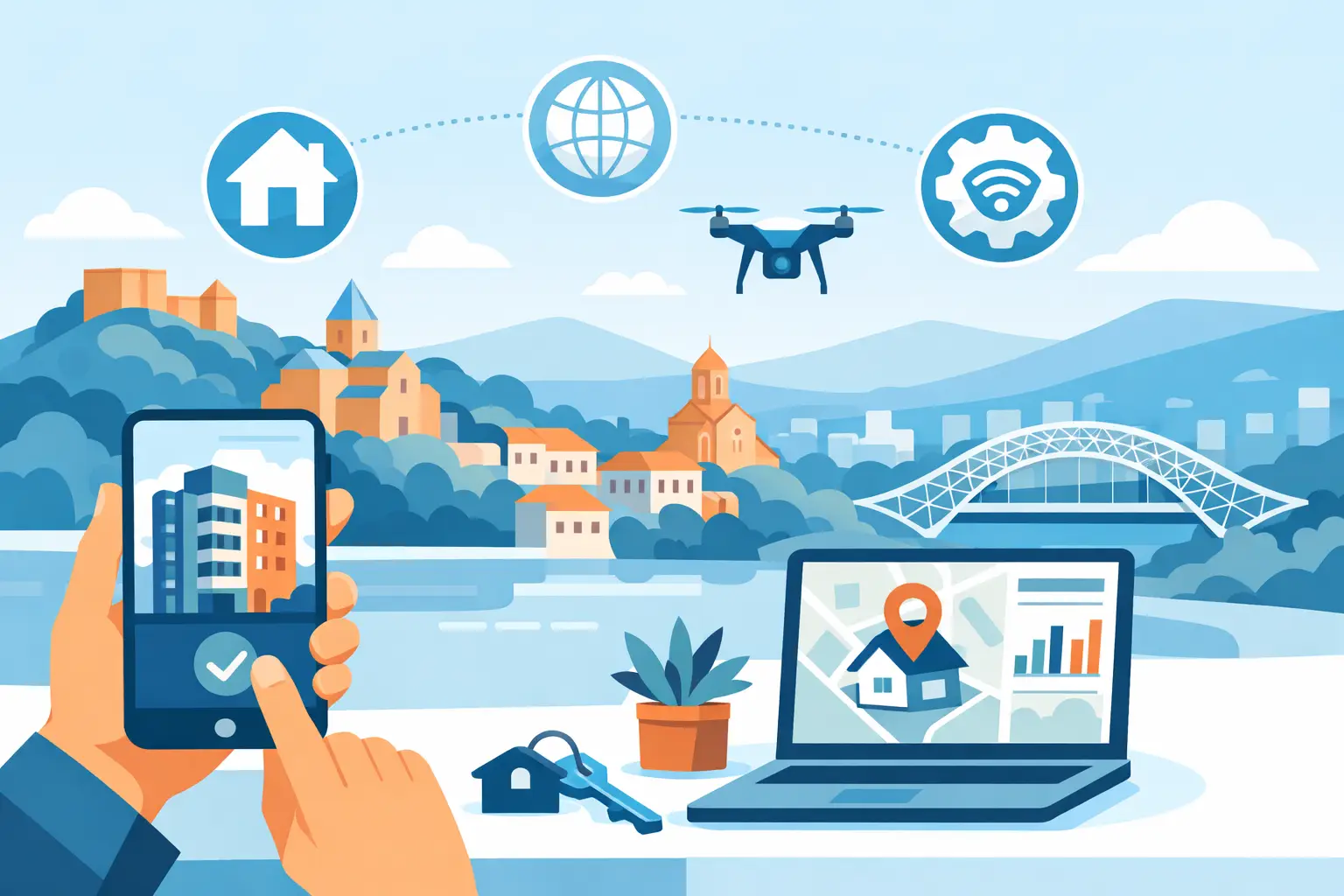
Technology has changed the owner experience. Digital signatures, online payments, messaging platforms, cloud-based records, and video inspections make it easier to follow a rental property without being physically present. Owners can review activity faster, receive documentation sooner, and make decisions without waiting for an international trip.
That is useful, but software does not inspect a leaking pipe, show an apartment to a qualified prospect, verify a tenant’s practical reliability, or make sure a repair was completed properly. In a city where market conditions, building quality, tenant expectations, and contractor availability can vary from one district to another, local execution remains the difference between a property that performs and one that creates recurring surprises.
The best remote ownership model combines two things: transparent information for the owner and hands-on accountability on the ground. The owner should not need to chase updates. At the same time, the local manager should not need to wait days for routine decisions that affect occupancy or tenant satisfaction.
This is why the role of a property manager is evolving. It is no longer limited to collecting rent and forwarding messages. A capable local team acts as the operating layer of the investment. It protects the unit, manages tenant relationships, coordinates vendors, documents activity, and escalates decisions that genuinely require owner input.
Visibility Must Lead to Better Decisions
Many remote owners want frequent updates because they have learned not to trust silence. That concern is reasonable. Yet more messages do not automatically create more control. A constant stream of minor questions can slow leasing, frustrate tenants, and pull the owner back into the day-to-day work they intended to avoid.
The goal is useful visibility. Owners should be able to understand how the unit is performing, what money has been collected, what expenses were incurred, whether a tenant issue is open, and what actions are planned next. Reporting should explain the condition of the asset, not simply produce a collection of receipts.
A disciplined operating process usually includes clear records of rent collection, tenant communication, maintenance requests, contractor work, lease status, and owner approvals. This creates a working history for each unit. When an owner decides to refinance, sell, add another apartment, or compare performance across a portfolio, those records become valuable management data rather than administrative clutter.
For portfolio builders, standardized reporting matters even more. One apartment can be monitored through personal attention. Five or ten units require a repeatable system. Without one, small issues get missed and the owner begins managing exceptions instead of managing returns.
Tenant Selection Will Remain the First Line of Defense
Remote ownership does not reduce the importance of tenant selection. It increases it. A weak tenant decision can create delayed rent, property damage, avoidable conflict, and a difficult vacancy cycle. From abroad, the owner may not see the warning signs until the issue has already affected cash flow.
Future-focused property management will rely on faster tenant communication and better digital documentation, but the judgment behind screening will still matter. A tenant must be evaluated not only on whether they want the apartment, but on whether their rental profile supports a stable tenancy. Clear expectations at the beginning help prevent disputes later.
A strong leasing process should set the tone before keys are handed over. The unit needs to be presented accurately, the lease needs to be understood, payment expectations need to be clear, and the property condition should be documented. This is not unnecessary formality. It is practical risk control.
When problems do arise, speed matters. A tenant who reports an issue should not have to wait because an overseas owner is asleep, traveling, or comparing contractor quotes from thousands of miles away. The local team needs authority to respond within agreed boundaries, while keeping the owner informed of material costs and decisions.
Maintenance Is Becoming a Return-Protection Strategy
Too many owners treat maintenance as a cost center until a small issue becomes a major expense. In reality, maintenance is closely connected to occupancy, tenant retention, property condition, and resale value. An apartment with recurring unresolved problems is harder to lease and more likely to attract price-sensitive tenants who have other options.
The future of remote property ownership will place more value on preventive attention. This does not mean spending freely on every upgrade. It means recognizing the difference between a cosmetic preference, a necessary repair, and a problem that will become more expensive if ignored.
For remote owners, maintenance decisions should be structured around response time, documentation, pricing discipline, and quality control. A repair is not complete when a contractor says it is complete. It is complete when the issue has been checked, the tenant has been updated, and the work has been recorded for the owner.
New-build apartments also require active oversight. Newer buildings may reduce certain repair risks, but they can introduce other issues related to handover quality, building systems, developer warranties, furnishing, and early-stage occupancy. Investors buying into a new complex should consider not only the purchase price and expected rent, but also who will manage the unit once the first tenant moves in.
What Owners Should Expect From a Local Partner
As remote ownership becomes more normal, expectations for management companies will rise. Owners should not accept vague updates, unexplained vacancies, or a service model that simply forwards tenant messages. A local partner should make ownership easier while preserving the owner’s ability to make informed decisions.
In practical terms, an effective management relationship should provide four things:
- disciplined tenant sourcing and qualification, with clear leasing standards;
- consistent rent collection and prompt follow-up when payments are delayed;
- maintenance coordination that balances urgency, cost, and work quality; and
- organized reporting that shows what is happening with the asset and why.
The exact level of involvement depends on the owner. A first-time buyer with one Tbilisi apartment may want approval on every significant expense. A portfolio investor may prefer preset spending limits and monthly performance reviews. Both approaches can work if responsibilities are clear from the start.
What does not work well is ambiguity. If no one knows who can approve a repair, communicate with a tenant, or decide how to handle an overdue payment, the property loses time. In rental operations, lost time often becomes lost income.
Technology Will Improve Control, Not Replace Accountability
Artificial intelligence, automated communication, smart access systems, and digital accounting tools will continue to shape property management. They can speed up inquiries, flag missed payments, organize documents, and make owner reporting more consistent. These tools are valuable when they support an operating team with local knowledge.
They are less valuable when used as a substitute for responsibility. An automated reply cannot assess whether a tenant is likely to renew. A dashboard cannot verify workmanship in an apartment. A remote call cannot replace a local person who knows the building, can meet a contractor, and can resolve a problem before it damages the tenancy.
The strongest operators will use technology to remove friction, not to hide behind it. Owners will get faster information. Tenants will receive faster responses. Managers will have better records and clearer workflows. But someone still needs to own the outcome.
For Property Management Georgia, that means treating every managed apartment as an asset that needs active stewardship, not as a line item on a spreadsheet. The objective is straightforward: protect occupancy, control avoidable costs, and give the owner the confidence to build without taking on a second job.
Build for Distance Before You Need It
An investor does not need to live in Tbilisi to own property successfully there. But success requires a management structure designed for distance from day one. Before buying, consider the likely tenant profile, building condition, furnishing requirements, rent range, operating costs, and the process for handling repairs or disputes. A promising apartment becomes a stronger investment when those details are planned before the first lease.
The future belongs to owners who stay informed without becoming trapped in daily operations. Choose a local team that can act quickly, document clearly, and protect the asset when you are not there. That is how remote ownership becomes a practical route to stable returns rather than a source of constant calls and unexpected costs.