
If you own an apartment in Tbilisi but you live in New York, Berlin, or Dubai, the part that surprises most investors is not the market. It’s the daily operational load. A tenant’s hot water stops on a Sunday. A neighbor complains about noise. A utility bill shows up in the wrong name. None of this is “big,” but these are the moments that decide whether your rental is passive income or a second job.
This is what landlords are actually responsible for in Tbilisi – in practical terms, not theory. The goal is simple: protect the asset, keep occupancy stable, and avoid the preventable disputes that quietly drain returns.
Landlord responsibilities in Tbilisi start before move-in
Most problems are born in the first week of a tenancy. If you treat leasing like paperwork, you’ll pay for it later with arrears, damage, and churn.
At minimum, the landlord needs to deliver a unit that matches what was advertised and is safe to occupy. That means the basics work: locks, plumbing, electricity, heating, windows that close, and no active leaks. Tenants in Tbilisi often rent furnished units, so “habitable” also includes making sure the appliances you promised actually function and are in the apartment on move-in day.
Just as important is setting expectations in writing. A lease should clearly spell out rent amount, payment date, utilities responsibility, deposit amount and conditions for return, notice periods, and rules around pets, smoking, and guests. If you leave terms vague because “we’ll handle it later,” you are basically choosing to negotiate under pressure once something goes wrong.
Screening is part of the landlord’s responsibility too, even if you outsource it. In Tbilisi, you will see a mix of local tenants, expats, and short-to-mid-term renters. Stable income is one piece, but so is behavior risk. A tenant with poor references, a history of late payments, or constant conflict is not worth an extra $50 per month in rent.
Deposits: simple in concept, messy in practice
Deposits in Tbilisi are commonly one month’s rent, sometimes more for higher-end furnished apartments. The landlord’s responsibility is not just “collect it.” It’s documenting condition so deposit deductions are defensible.
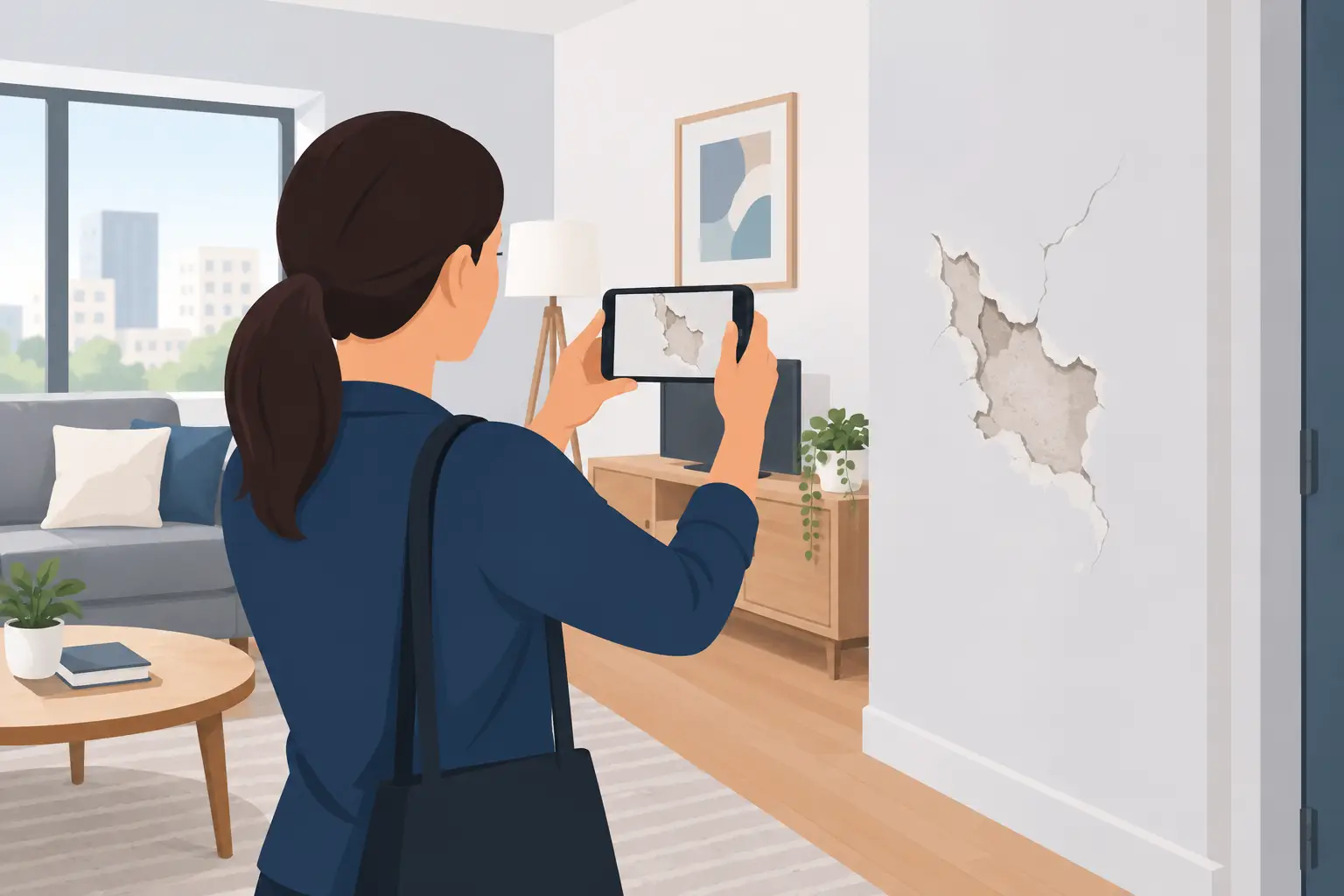
If you do not do a proper move-in inspection with photos and a written condition report, you will struggle to justify any damage claim at move-out. Tenants do not like surprise deductions, and disputes tend to escalate when the tenant feels the process is arbitrary.
A clean deposit process looks like this: you document the condition of walls, floors, furniture, appliances, and meters at move-in; you keep repair invoices during the tenancy; and you do a final walkthrough at move-out tied back to the original report. That’s how you protect the relationship and your asset at the same time.
Repairs and maintenance: what you must handle vs what you can push back
This is where remote owners lose time. Tenants don’t care that you’re abroad. They care that the shower works and the heating is stable.
In practice, landlord responsibilities in Tbilisi generally include maintaining the core systems of the apartment: plumbing, electrical, heating and hot water, structural issues, and any provided appliances that fail under normal use. If the washing machine dies from age, it’s on the landlord. If the tenant breaks the washing machine through misuse, that’s different – but you still need to prove it.
There’s also a trade-off every owner has to decide: do you want the cheapest fix, or the fastest and most reliable fix? In a rental, slow repairs cost money in less obvious ways. Tenants become less cooperative, they delay rent when they’re frustrated, and they leave at the first chance. Paying a bit more for consistent vendors usually beats constant patch jobs.
You also need a maintenance workflow. Who receives the complaint? Who approves the spend? Who schedules access? Who confirms completion? Without a system, maintenance becomes a string of WhatsApp messages and missed appointments. The property ends up being “managed” by whoever is most annoyed that day.
Utilities and building fees: clarity prevents conflict
Tbilisi rentals vary: some leases include utilities, some don’t, and some include only building service fees while the tenant handles electricity, gas, water, and internet. Any of these can work. What doesn’t work is ambiguity.
Landlords are responsible for setting up a clear method for payments and ensuring accounts are in the correct name when required. If a bill stays in the owner’s name while the tenant is supposed to pay it, you are accepting collection risk. If you expect the tenant to manage utilities entirely, you still want confirmation that services are active and not accumulating unpaid balances that become your problem later.
For apartments in newer complexes, building management fees and rules matter. Many buildings have security, reception, elevators, cleaning, and maintenance funded by monthly payments. If those aren’t paid, you can get building-level friction fast, and it reflects directly on your tenant experience.
Tenant communication: responsiveness is part of the asset
Owners often treat tenant communication as customer service. It’s actually risk control.
A tenant who can’t reach the landlord about a leak will try to solve it themselves, sometimes badly. A tenant who feels ignored is more likely to push boundaries on payment timing, unauthorized occupants, or pets. Responsiveness doesn’t mean saying yes to everything. It means you acknowledge the issue, set a timeline, and follow through.
You also need a documented channel. If everything is informal voice notes, you lose the record when you need it. Keep written confirmations on rent discussions, repair approvals, and notices.
Rent collection: the job is not “collect,” it’s enforce
Tbilisi is not unique: most tenants pay on time when the system is firm and consistent. Payment problems usually happen when the landlord is inconsistent.
The landlord’s responsibilities include setting the due date, the payment method, and the consequences for lateness. You also need a process for reminders and escalation. If you wait two weeks to address late rent because you’re being “polite,” you train the tenant that deadlines are flexible.
For remote owners, currency and transfer methods matter. Some tenants prefer bank transfers; others rely on cash. Cash collection is workable, but it requires tight receipts and discipline. Any gap in documentation becomes an argument later.
Inspections and property condition: protect the unit without harassing the tenant
A landlord has a legitimate interest in verifying the unit’s condition. At the same time, tenants need privacy and predictability. The balance is scheduled, reasonable inspections – not surprise drop-ins.
Periodic check-ins can catch small issues early: moisture near windows, early signs of mold, appliance misuse, or unauthorized occupants. The point is to intervene before a minor issue becomes a major repair bill.
The best approach is to make inspections part of the lease expectations and keep them professional: notice, a defined purpose, quick documentation, and no drama.
Disputes, notices, and eviction: the hard edge of responsibility
Most tenancies end normally. Some don’t. When they don’t, the landlord is responsible for acting quickly and correctly.
If a tenant stops paying or violates major terms, you need a clear trail: payment records, written notices, and proof of communication. Trying to improvise under stress is where owners make expensive mistakes, like accepting partial payments without clarifying what they cover, or making threats they can’t legally or practically execute.
Eviction is never the first choice because vacancy and legal costs hurt returns. But avoiding enforcement can hurt more. If you let a non-paying tenant stay for months because you’re overseas and unsure of the process, you are essentially financing their housing.
This is also where local execution matters. Handling a difficult tenant requires someone who can show up, coordinate with building security when needed, manage documentation, and keep emotions out of it.
Turnover and re-leasing: you don’t earn rent during downtime
A landlord’s responsibilities don’t stop when the tenant hands over keys. Turnover is a mini-project: assess damage, organize cleaning, repaint if needed, fix any deferred repairs, refresh linens and small furnishings, and get the unit ready to show.
In Tbilisi, presentation affects pricing more than many owners expect. A unit that is clean, bright, and properly staged rents faster and attracts better tenants. A unit that looks tired invites aggressive negotiation and higher wear-and-tear.
If you care about portfolio performance, you treat turnover time as a controllable cost. The goal is not perfection. The goal is “rent-ready” quickly, with fewer callbacks later.
When you’re remote, responsibility equals systems
If you live outside Georgia, your real responsibility is building a repeatable operating system. You can’t be the person who personally solves every issue. You need defined roles: tenant sourcing, screening, lease management, rent tracking, maintenance coordination, vendor payments, and documentation.
That’s why many overseas owners use a local operator who treats the apartment like an asset, not a side project. If you want a hands-on team in Tbilisi to run leasing, rent collection, tenant issues, maintenance, and enforcement end-to-end, Property Management Georgia is built for exactly that kind of ownership.
A final mindset that keeps owners profitable: your tenant is not your partner, and your apartment is not a hobby. Run the rental like a business – clear terms, fast response, documented decisions – and you’ll get the one thing you bought the property for in the first place: your time back.