
A vacant unit in Tbilisi can burn through your expected return faster than most remote owners realize. One delayed repair, one poorly screened tenant, or one month of missed follow-up can turn a promising investment into a management problem. That is why a remote landlord operations guide matters – not as theory, but as a working system for keeping occupancy stable, rent collected, and issues contained while you are somewhere else.
If you own, or plan to buy, rental property in Tbilisi, the real challenge is rarely the purchase itself. The challenge is operating the asset week after week with local speed, local judgment, and clear accountability. Remote ownership works well when operations are structured. It performs poorly when the owner is trying to manage leasing, tenant communication, maintenance calls, and payment tracking from another country.
What remote landlord operations actually involve
Many investors think remote management means checking in on rent once a month and responding when something goes wrong. In practice, operations start long before a tenant moves in and continue long after a lease is signed. Every stage affects your net income.
Leasing sets the tone. If pricing is off, the property sits. If marketing is weak, inquiries are low. If screening is rushed, your risk moves in with the tenant. Once occupied, rent collection, communication standards, maintenance coordination, and documentation all determine whether the unit remains profitable or becomes a drain on time and cash flow.
For overseas owners and diaspora investors, distance creates a simple problem: small delays become expensive. A local issue that could be handled in two hours can take two days when it has to pass through time zones, language gaps, and vendor uncertainty. That is why remote landlord operations need a local process, not just a contact list.
The remote landlord operations guide that protects returns
A useful remote landlord operations guide starts with one principle: your property should be managed like an operating business, not watched like a passive savings account. Returns improve when responsibilities are assigned, standards are documented, and response times are controlled.
The first priority is tenant placement. This is where many remote owners either protect the asset or expose it. A fast lease-up is good only if the tenant is qualified and likely to stay current. A disciplined process should include inquiry handling, property showings, application review, background checks where available, income verification, lease execution, and deposit handling. Skipping steps to fill the unit faster usually costs more later.
The second priority is rent collection. Remote owners need a reliable payment process, consistent follow-up, and a clear escalation path when a tenant falls behind. Hoping that a late payment issue will fix itself is not a strategy. The longer arrears sit, the harder they are to recover.
The third priority is maintenance control. Repairs affect retention, reviews, and asset condition. They also affect your expenses. Good operations do not mean saying yes to every invoice. They mean verifying the issue, sending the right vendor, documenting the work, and tracking cost against the property’s income performance.
The fourth priority is record-keeping. If you own remotely, organized reporting is not optional. You need visibility into rent status, repair history, leasing activity, and recurring costs. Clear records make taxes easier, support performance decisions, and reduce confusion if a tenant dispute emerges.
Where remote owners lose money
Most remote landlords do not lose money because real estate is a bad investment. They lose money because operating mistakes compound quietly.
Poor tenant selection is the most expensive example. A unit may look occupied, but occupancy alone is not performance. If the tenant pays late, causes damage, or creates repeated friction, your income becomes unstable and your turnover risk rises. A weaker tenant can erase months of expected return.
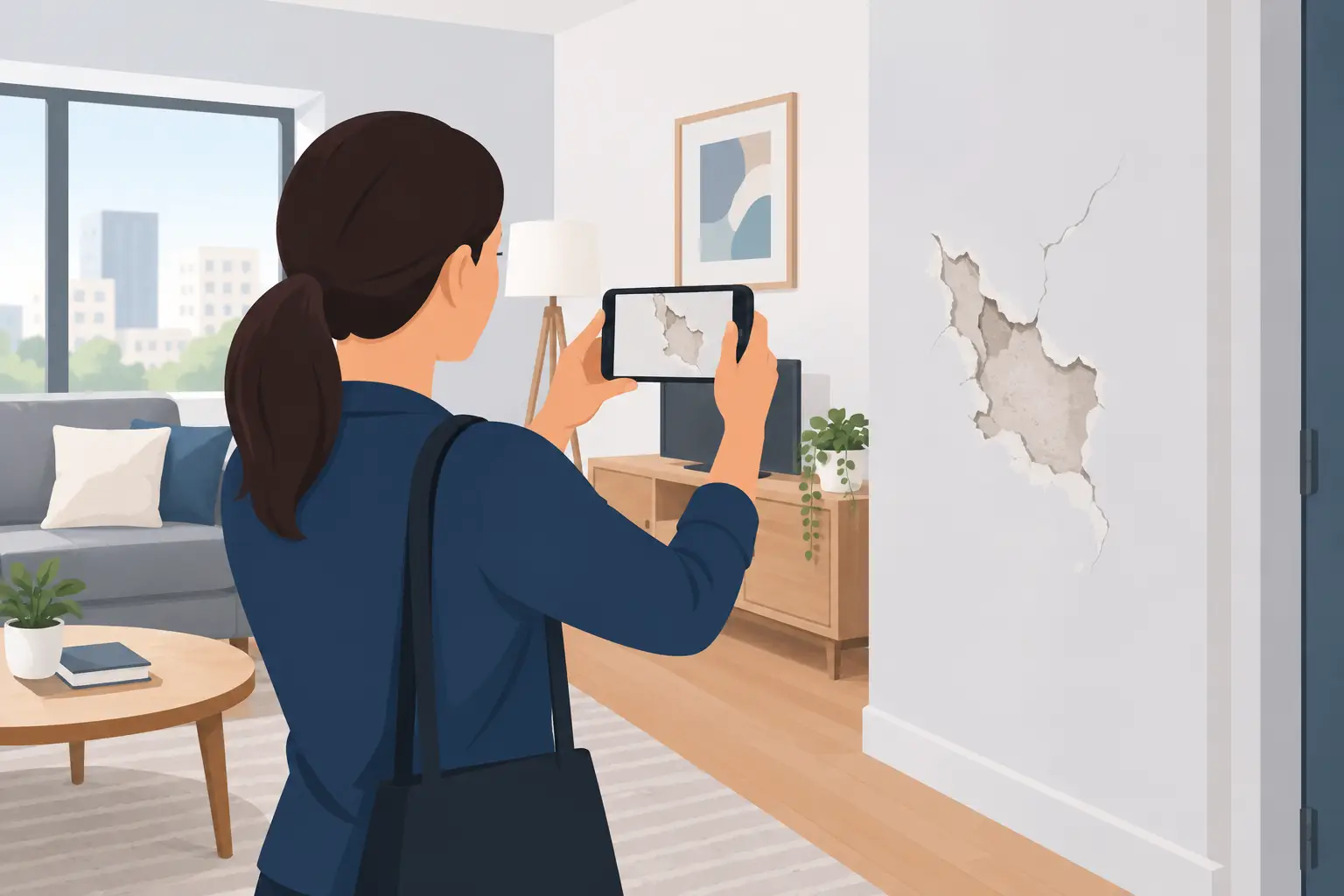
Slow maintenance handling is another hidden leak. Minor issues become major ones when no one is available to inspect, authorize, and close the job quickly. A leaking pipe, a damaged appliance, or an unresolved building issue can trigger larger repairs, tenant dissatisfaction, and vacancy.
Then there is communication drift. When tenants do not know who is responsible, or when owners are trying to coordinate directly from abroad, messages get lost and accountability fades. This is where remote ownership starts feeling stressful. Problems do not look dramatic at first. They just remain unresolved for too long.
Why local execution matters in Tbilisi
Tbilisi offers strong rental opportunity, but it is still a local market. Buildings differ. Developers differ. Tenant expectations differ by area and property type. Vendor reliability is uneven if you do not already have working relationships. What looks straightforward from a spreadsheet often requires local judgment on the ground.
That is especially true for investors buying into new developments. A unit in a promising complex may still need the right pricing, furnishing strategy, and leasing approach to perform well. Two apartments in similar locations can deliver very different results depending on management quality after handover.
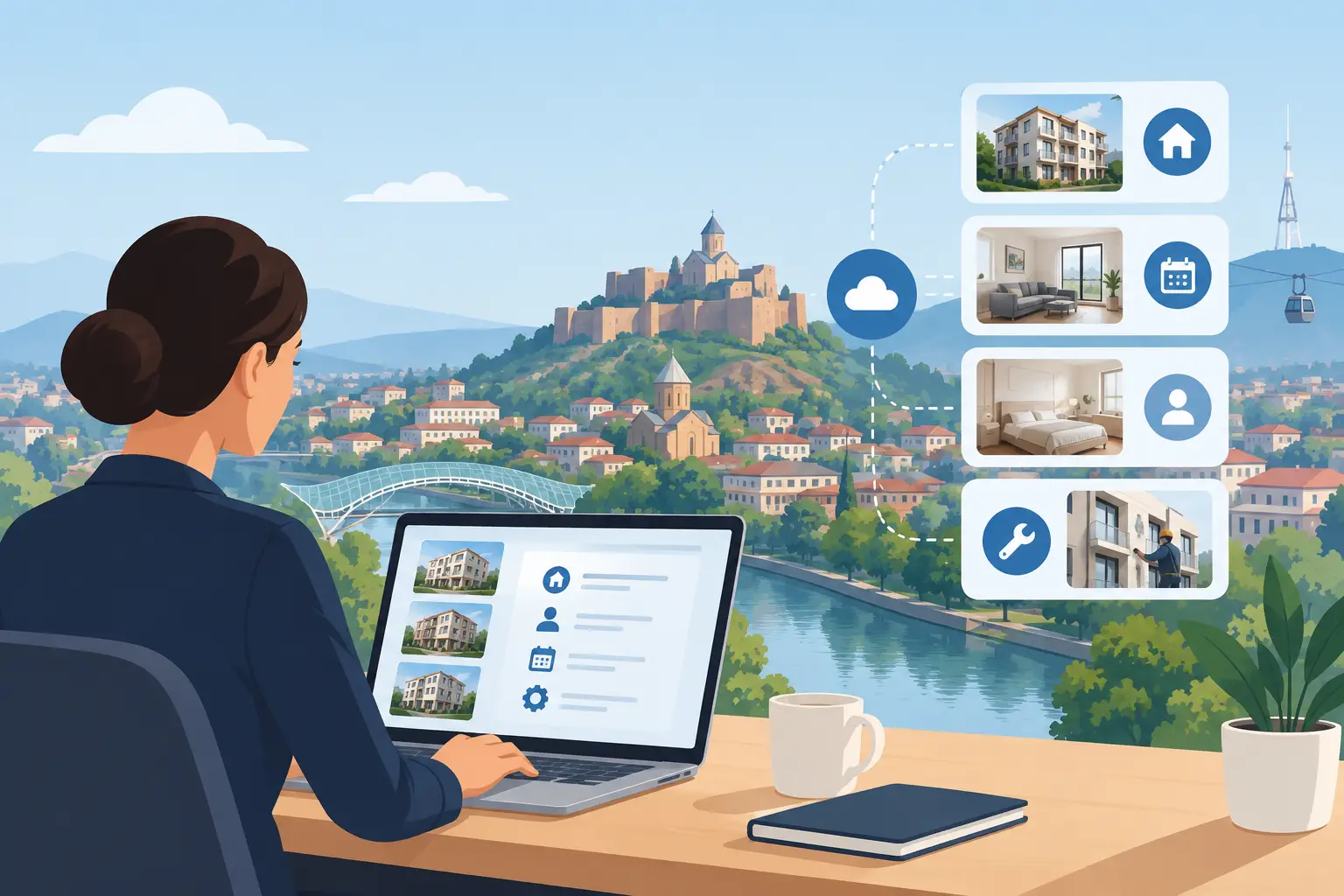
This is why experienced owners look for an operator, not just an advisor. A local team should not simply report problems. It should handle them. That means conducting showings, screening applicants, coordinating repairs, managing tenant communication, and stepping in early when payment or compliance issues start to form.
How to set up a hands-off rental operation
If your goal is true remote ownership, the setup matters more than the promise. Hands-off does not mean unmanaged. It means the system is doing the work for you.
Start with a clear operating model. One party should be accountable for leasing, tenant communication, rent collection, maintenance coordination, and issue resolution. Splitting those tasks between multiple freelancers or trying to keep some in-house from another country often creates delays and finger-pointing.
Next, establish decision rules. Define what can be approved automatically, what repair threshold requires owner authorization, how often reporting is delivered, and how arrears are escalated. Without these rules, every small issue comes back to the owner and the operation slows down.
Then focus on leasing standards. Pricing should reflect current market conditions, not just your target return. Photos, unit presentation, response time to inquiries, and showing quality all affect vacancy. Once applications come in, screening should be consistent and documented. This is not the place for guesswork.
Finally, insist on reporting that helps you act. Monthly visibility into occupancy, income, expenses, maintenance, and open issues is usually enough for most owners. The goal is not more paperwork. The goal is knowing whether the asset is performing and where attention is required.
When self-managing remotely still makes sense
There are cases where remote self-management can work. If you own one unit, already have a trusted tenant, know the local market well, and have reliable vendors in place, the workload may remain manageable for a time. Some investors also prefer direct control during the early months after purchase.
But there is a trade-off. The more you try to preserve control from a distance, the more your time becomes part of the operating cost. If you are fielding tenant messages at odd hours, chasing contractors, or sorting out payment confusion manually, you are still paying for management – just with your own attention instead of a fee.
For portfolio owners, the math changes quickly. Two or three units across different buildings create recurring coordination needs that are difficult to manage consistently from abroad. At that point, professional oversight is less about convenience and more about protecting income across the portfolio.
What to expect from a serious management partner
A capable local manager should bring structure, speed, and accountability. You should expect disciplined tenant sourcing, qualified applicant review, clear lease handling, on-time rent follow-up, maintenance coordination, and practical escalation when issues arise. You should also expect direct communication and reporting that tells you what happened, what it cost, and what needs approval.
Just as important, the manager should think like an owner. That means balancing tenant service with asset protection, avoiding unnecessary expense, reducing vacancy, and acting early when a problem threatens income. A management company that only reacts after the issue becomes urgent is not protecting your return.
For many investors in Tbilisi, this is where a local operator becomes the difference between owning property and running a rental business well. Property Management Georgia is built around that operating role – hands-on leasing, rent control, tenant handling, maintenance coordination, and local execution that keeps remote owners out of daily friction.
A good asset can still underperform if operations are weak. A well-run unit, on the other hand, keeps producing because someone local is paying attention every day. If you want remote ownership to feel calm, the answer is not distance. It is control built into the way the property is managed.