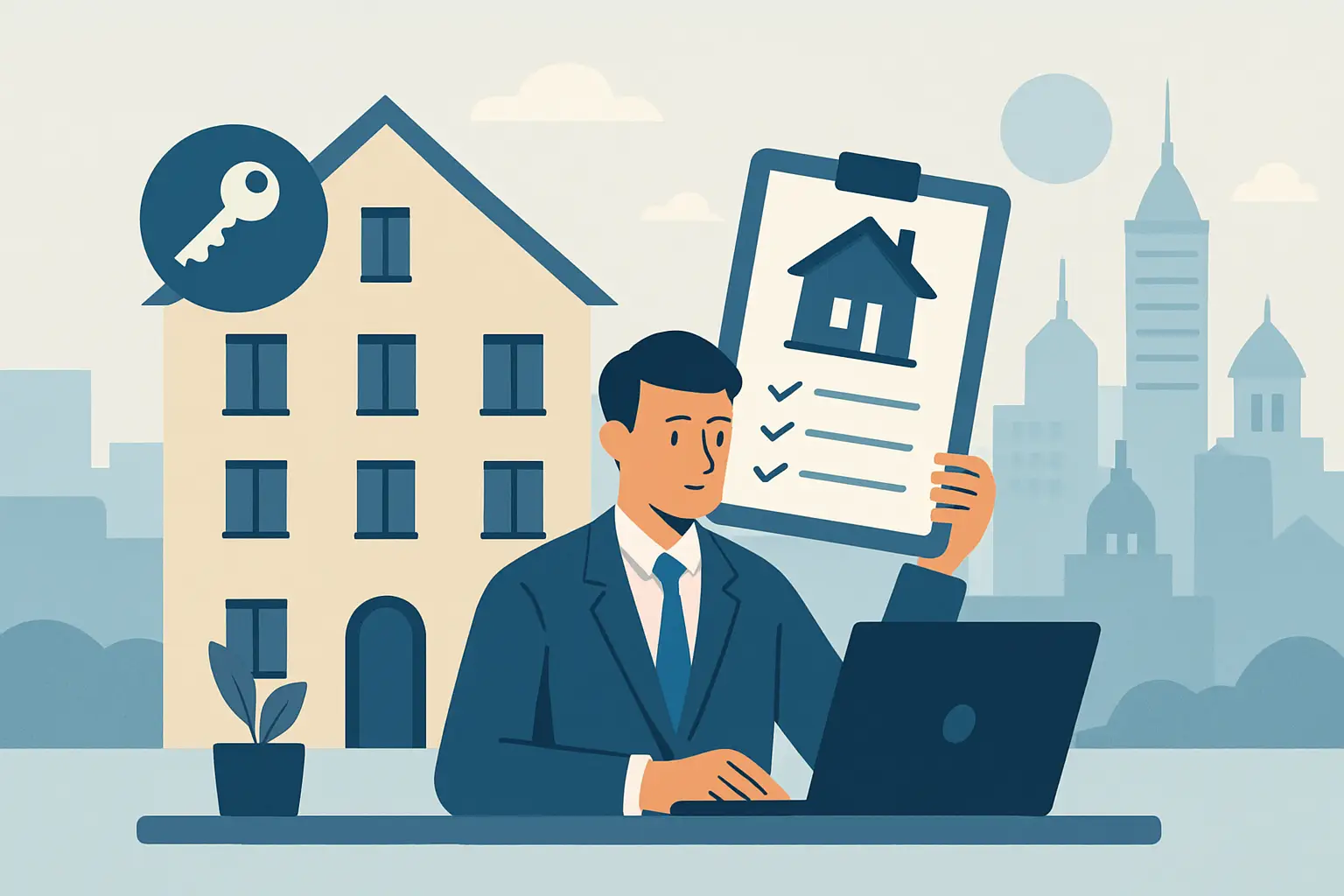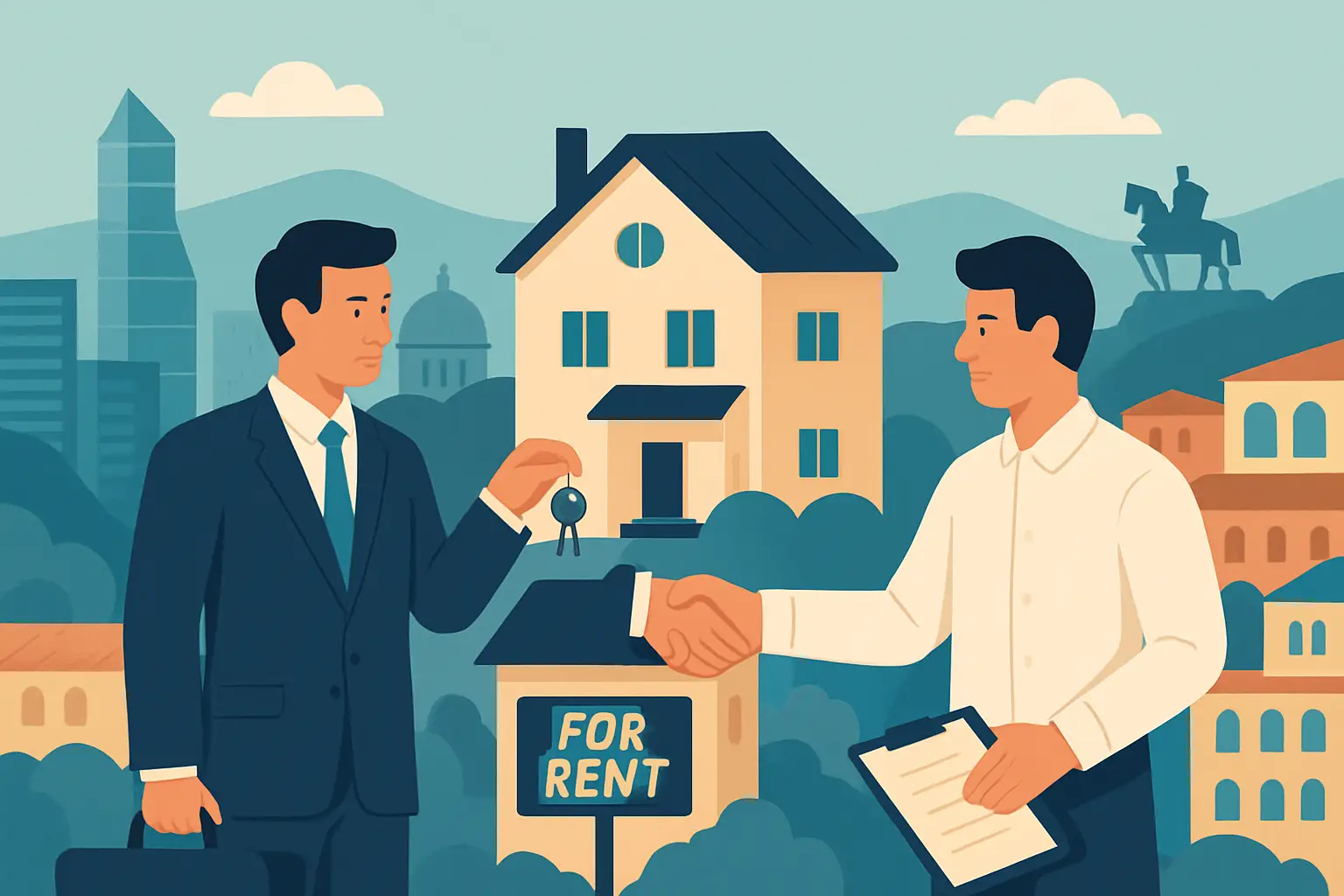

If your apartment in Tbilisi is sitting vacant, a leasing agent can help fill it. If you want the asset to keep performing month after month without constant calls, follow-up, and problem-solving, you need more than leasing.
That is the real difference in property management vs leasing agent. One role is built to secure a tenant. The other is built to protect income, control risk, and keep the rental operating after the lease is signed. For owners living abroad or managing investments remotely, that distinction matters a lot more than it seems at first.
Property management vs leasing agent: the core difference
A leasing agent is mainly focused on marketing a rental, answering inquiries, showing the unit, and moving an applicant through the lease-signing process. Their job begins when the property needs a tenant and often ends once that tenant is placed.
Property management is broader and ongoing. It includes leasing, but it does not stop there. A property manager oversees rent collection, tenant communication, maintenance coordination, inspections, issue resolution, vendor follow-up, record-keeping, and action when a tenant falls behind or violates lease terms.
If you think of your rental as a business, the leasing agent handles customer acquisition. The property manager runs operations.
That difference becomes very practical once the tenant moves in. Someone still needs to respond when the water heater fails, track payment delays, coordinate repairs, document issues, and protect the owner from small problems turning into expensive ones.
What a leasing agent usually handles
A leasing agent plays an important role, especially when vacancy is your main problem. If a unit is empty, revenue is zero. Speed matters.
Most leasing agents focus on pricing support, listing creation, lead response, unit showings, application intake, and lease execution. In some cases, they also help stage the apartment for photos or advise on small improvements that make the property easier to rent.
This can work well for an owner who wants help finding a tenant but is still prepared to manage the property personally afterward. It can also make sense for an owner with local staff, in-house systems, or enough time to handle the day-to-day work.
But there is a trade-off. Leasing is only one stage of the rental cycle. A well-filled unit can still underperform if collections are inconsistent, maintenance is reactive, or tenant communication is poorly handled.
What full property management includes
Full property management covers leasing and everything that follows it. That matters most when the owner is not on the ground in Tbilisi and needs one accountable team handling the asset from end to end.
A property manager does not just place a tenant. They screen for fit, reduce the chance of future payment or behavior problems, set expectations early, and keep the tenancy organized once it starts. Then they continue managing the real work of ownership.
That usually means collecting rent on schedule, tracking arrears, responding to tenant requests, organizing repairs, following up with contractors, documenting expenses, and stepping in quickly when a problem threatens occupancy or income. If the tenancy breaks down, the manager handles the process through resolution, including formal enforcement steps where required.
For investors, this is where returns are either preserved or quietly eroded. Most rental losses do not come from a dramatic single event. They come from drift – slower leasing, weak screening, late responses, poor repair control, and inconsistent follow-up.
Why the difference matters more for remote owners
For local landlords, a leasing-only setup may be manageable. For remote owners, especially international buyers and diaspora investors, it often creates a gap.
The gap shows up right after move-in. The tenant has a question. A plumbing issue appears. Rent arrives late. A contractor needs approval. Documents need to be tracked. If no one owns the full chain of responsibility, the owner becomes the fallback operator.
That defeats the point of passive investing.
Remote ownership works best when one team can market the unit, qualify the tenant, manage the tenancy, coordinate repairs, and keep the property stable without requiring the owner to chase updates across time zones. That is why the choice between property management vs leasing agent is not just about service scope. It is about whether your investment is structured for hands-off performance or for ongoing involvement.
Property management vs leasing agent for investor goals
The right choice depends on what you are trying to solve.
If your only issue is filling a vacancy and you are comfortable handling everything afterward, a leasing agent may be enough. This is the narrower, transaction-based option.
If your goal is predictable cash flow, lower operational friction, and better control over tenant and maintenance risk, property management is usually the stronger fit. This is especially true if you own from abroad, have multiple units, or want your portfolio to scale without adding more personal workload.
An investor buying a single apartment in a new development may assume they only need leasing support. In practice, the early months of a tenancy are where systems matter most. Tenant onboarding, payment discipline, maintenance response, and communication standards shape the quality of the tenancy. If that part is weak, the leasing win does not last long.
Portfolio owners feel this even more. One vacant unit is a leasing problem. Five occupied units with scattered issues are a management problem.
Cost is only one part of the decision
Some owners compare a leasing fee to a monthly management fee and stop there. That is understandable, but incomplete.
Leasing often looks cheaper because it is tied to one event – getting the unit rented. Property management is a recurring cost because the work is recurring. The question is not just what each service costs. The better question is what each service prevents.
A stronger tenant placement process can reduce turnover. Faster maintenance coordination can prevent bigger repair bills. Consistent rent follow-up can protect cash flow. Better documentation can reduce disputes. The monthly fee is easier to evaluate when you compare it against vacancy loss, unmanaged repairs, poor tenant fit, and your own time.
For many owners, especially those overseas, the real cost is not management. It is under-management.
When a leasing agent is enough
There are cases where leasing-only support makes sense. If you live in Tbilisi, know the market well, have reliable contractors, understand tenant handling, and can respond quickly when problems come up, you may not need full management.
The same is true if you treat the property as an active side business and want direct control over every repair, payment issue, and tenant conversation. Some owners prefer that level of involvement.
Just be realistic about the workload. Leasing gets the tenant in. It does not remove the operational burden that follows.
When full property management is the smarter move
Full management is usually the better decision when you are buying remotely, managing across time zones, building a portfolio, or simply do not want tenant and maintenance issues taking over your schedule.
It is also the better choice when risk control matters as much as occupancy. A unit that rents fast but is managed poorly can still produce weak results. Good management is what turns a rented apartment into a stable investment.
For owners who want to maximize returns and minimize avoidable problems, having one local team responsible for leasing, tenant quality, collections, repairs, and compliance creates more control, not less. You are not giving up oversight. You are replacing scattered effort with accountable execution.
That is the model we believe in at Property Management Georgia because owners do better when the same team that helps secure income is also responsible for protecting it.
The better question to ask before you choose
Instead of asking, “Do I need a leasing agent or a property manager?” ask this: “Who is responsible for the asset after the lease is signed?”
That question gets to the real issue. Rentals do not perform because a listing went live and a tenant moved in. They perform because someone stays on top of the details that keep income steady and risk contained.
If you only need help filling a vacancy, leasing may be enough. If you want your Tbilisi rental to operate like an investment instead of a second job, look for management that owns the full result.