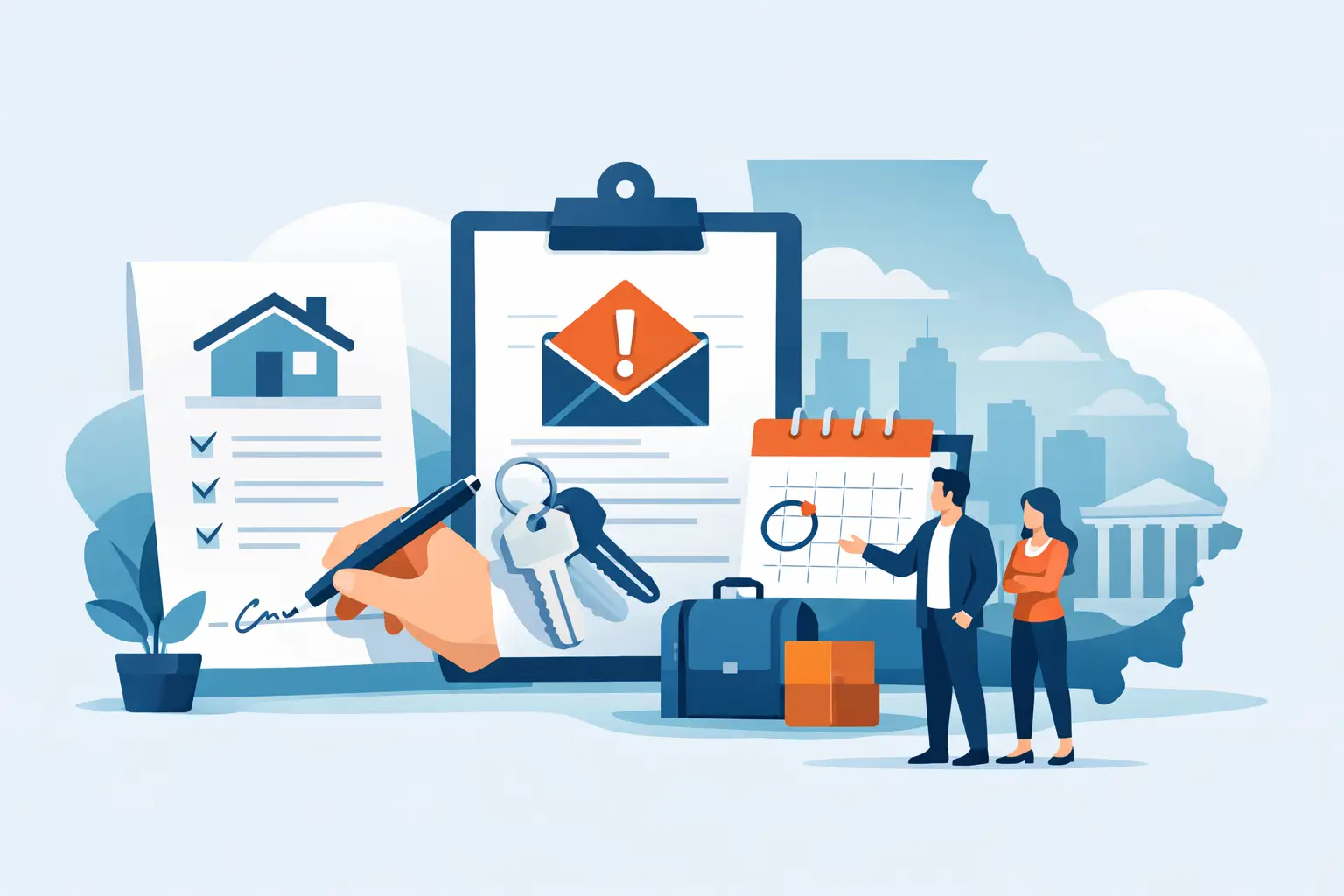
A rental apartment rarely loses money because of one dramatic failure. More often, returns get chipped away by small problems that were left too long – a leaking valve under the sink, grout breakdown around a shower, an HVAC filter that was never changed, or a water heater showing early signs of wear. That is why a preventive maintenance checklist rental apartment owners follow consistently is not an admin exercise. It is an asset protection system.
For owners in Tbilisi, especially those managing from abroad, preventive maintenance is what separates a stable rental from a unit that keeps generating surprise costs, tenant complaints, and vacancy risk. The goal is simple: catch issues while they are still cheap, manageable, and unlikely to disrupt occupancy.
Why a preventive maintenance checklist for a rental apartment matters
Most apartment maintenance problems become expensive only after they are ignored. A minor plumbing leak can damage cabinetry and flooring. Poor ventilation in a bathroom can create mold staining that affects both tenant satisfaction and re-leasing condition. An unchecked electrical issue can turn from a routine repair into a safety concern.
For investors, the bigger issue is not just repair cost. It is lost control. When maintenance is reactive, tenants feel it first. Response times lengthen, frustration grows, and renewal probability drops. In a competitive rental market, that affects occupancy and income more than many owners expect.
A preventive approach gives you three advantages. First, you reduce the likelihood of emergency repairs, which are almost always more expensive. Second, you preserve the condition of fixtures and finishes, which protects rental value. Third, you create documentation – useful for budgeting, vendor coordination, and accountability if you own remotely.
What should be on a preventive maintenance checklist rental apartment owners use?
The right checklist is not a generic form pulled from the internet. It should reflect the apartment’s age, finish quality, building systems, and tenant profile. A newly delivered one-bedroom in a modern development needs a different inspection rhythm than an older unit with aging plumbing and heavy tenant turnover.
That said, most rental apartments should be reviewed across the same core systems: plumbing, electrical, HVAC or climate control, interior surfaces, appliances, moisture-prone areas, windows and doors, and life-safety items. Common area and building-managed elements also matter, even when they fall partly outside the owner’s direct responsibility, because tenants will still associate those issues with the rental experience.
Plumbing and water-related checks
Water is one of the fastest ways to damage an apartment and the easiest issue to miss if nobody is looking carefully. Sinks, toilet connections, washing machine hoses, shutoff valves, drains, and water heaters should be inspected for slow leaks, corrosion, weak pressure, and poor drainage.
Bathrooms need special attention. Loose sealant around tubs, showers, and sinks often looks cosmetic at first, but it can allow water intrusion behind finishes. In apartments, that creates a bigger risk because damage may spread to adjacent or lower units, increasing both cost and complexity.
HVAC, heating, and ventilation
If the apartment has split AC units, filters and drain lines should be checked regularly. Reduced airflow does not just affect comfort. It increases energy use, strains the unit, and shortens equipment life. Heating systems should also be tested before seasonal demand begins, not after the tenant reports failure.
Ventilation is often underestimated. Exhaust fans in kitchens and bathrooms help control moisture and odors. When they fail or underperform, condensation builds up, paint degrades faster, and mold risk increases.
Electrical and lighting
Electrical maintenance is partly about safety and partly about habitability. Outlets, switches, light fixtures, breakers, and visible wiring issues should all be reviewed. Flickering lights or warm outlets should never be treated as minor annoyances.
In furnished rentals, this check should also include any owner-supplied electrical appliances or accessories. A tenant may continue using a faulty item longer than they should, especially if they assume the issue is temporary.
Appliances and interior condition
Kitchen appliances, washing machines, refrigerators, and water heaters often show warning signs before they fail completely. Unusual noise, vibration, slower performance, rust, or small leaks usually mean service is needed. Waiting until breakdown guarantees higher disruption.
Interior condition matters for retention as much as for maintenance. Doors should close properly, locks should function smoothly, cabinet hinges should be tight, and window seals should be intact. None of these items are major on their own, but together they shape whether the unit feels well managed or neglected.
How often should inspections happen?
There is no perfect schedule for every apartment, but there is a workable one for most rentals. Quarterly light-touch reviews are useful for active units, especially if the apartment is furnished or has higher-end finishes. A deeper inspection every six to twelve months is usually the minimum standard if you want real control over asset condition.
Seasonality matters too. Cooling systems should be checked before summer. Heating equipment should be reviewed before colder months. Any apartment with known moisture exposure, balcony drainage concerns, or prior plumbing issues may need more frequent oversight.
The trade-off is straightforward. Inspect too often and you can create unnecessary cost or tenant friction. Inspect too rarely and you lose the chance to intervene early. Good management finds the middle ground – enough oversight to protect the unit without making the tenancy feel intrusive.
Tenant-reported issues are not a maintenance plan
Many owners assume tenants will report problems early. Sometimes they do. Sometimes they wait because they are busy, unsure whether it matters, or trying to avoid disruption. By the time management hears about the issue, what could have been a small service call has turned into a repair project.
That is why a checklist should never depend only on tenant communication. Tenants are an important source of information, but they are not your inspection system. A managed property needs its own cadence, records, and follow-through.
This is especially true for overseas owners. If you are not physically present, there is a natural delay between problem detection, vendor dispatch, repair approval, and quality control. Preventive maintenance reduces the number of moments where that distance starts costing you money.
Building responsibility versus unit responsibility
Apartment owners often assume certain issues belong entirely to the building. Sometimes they do, but in practice the line is not always clean. A ventilation problem may involve both unit equipment and broader building conditions. Water intrusion may begin in a common system but appear first inside your apartment. Window drafts or drainage issues may sit in a gray area between developer, building administration, and owner responsibility.
That is why checklist-based maintenance should include not only the private unit but also any building-side observations that could affect the apartment’s performance. A good local operator does not just say, “That belongs to someone else.” They identify the issue, push the right party, document the condition, and keep moving until it is resolved.
Record-keeping is where owners protect returns
A checklist only works if it creates an action trail. What was inspected, what condition was found, what repair was recommended, what was approved, and when was it completed? Without that record, maintenance becomes memory-based, and memory is not a system.
This matters for budgeting. If AC servicing, sealant renewal, appliance wear, and repaint cycles are tracked over time, owners can forecast costs instead of reacting to them. It also matters during tenant turnover. A documented maintenance history makes it easier to distinguish wear, neglect, and one-off damage.
For investors with multiple apartments, standardization becomes even more valuable. When every unit follows the same maintenance logic, performance is easier to compare and problems are easier to spot before they spread across the portfolio.
The real value of local execution
The hardest part of preventive maintenance is not knowing what should be checked. It is making sure it actually gets done, on time, by the right people, with proper follow-up. That is where many self-managed owners lose time and returns.
A local property management team should handle the entire chain: scheduling inspections, identifying early issues, coordinating vendors, approving sensible fixes, documenting work, and confirming the result. For remote owners, that is the difference between owning an apartment and managing a problem.
At Property Management Georgia, this is how asset protection should work – practical, documented, and tied directly to rental performance. Maintenance is not separate from returns. It is one of the systems that protects them.
If your apartment only gets attention when something breaks, the property is already costing more than it should. A disciplined checklist brings the unit back under control, and control is what keeps rental income dependable over time.