
A vacant unit in Tbilisi can cost you more than missed rent. It can trigger rushed tenant placement, weak lease enforcement, delayed repairs, and the kind of small operational mistakes that quietly drag down returns month after month. That is why knowing how to choose property manager support is not a minor admin decision – it is a portfolio decision.
If you own from abroad, or plan to build beyond one apartment, the wrong manager creates distance between you and the actual condition of your asset. The right one does the opposite. They give you visibility, control, and a local team that solves problems before they become expensive.
What a good property manager actually does
Many owners start with fees, but fees only make sense after you understand the operating role. A serious property manager is not just collecting rent and forwarding messages. They are managing occupancy, tenant quality, maintenance response, lease compliance, vendor coordination, and owner reporting as one connected system.
That matters because rental performance is rarely lost in one dramatic event. It is usually lost through avoidable friction – late follow-up on inquiries, poor tenant screening, inconsistent communication, underpriced renewals, and repair delays that upset good tenants. A capable manager protects income by controlling those day-to-day points of failure.
For remote owners, especially international buyers, local execution is the product. You are not paying for theory. You are paying for someone to be on the ground, make decisions quickly, and protect the asset when you are not there.
How to choose property manager based on outcomes, not promises
The fastest way to make a bad choice is to hire based on a polished pitch. Anyone can say they are responsive, professional, or investor-friendly. The better test is whether they can explain exactly how they run the property and what that means for your returns.
Ask how they source tenants, how they qualify applicants, how quickly they typically fill vacancy, how maintenance is approved, and how they handle disputes or nonpayment. Their answers should sound operational, not generic. You want specifics on process, escalation, and accountability.
A strong manager will also be comfortable discussing trade-offs. For example, filling a unit quickly matters, but not if it means placing the wrong tenant. Keeping maintenance costs low matters, but not if delays create larger repair bills later. If every answer sounds easy, you are not hearing the full picture.
Start with local market control
In Tbilisi, local knowledge is not a bonus. It directly affects occupancy, rental pricing, and tenant fit. A manager who understands which buildings lease faster, which tenant profiles match certain neighborhoods, and where maintenance standards tend to break down will make better decisions than someone working at a distance.
This is especially important if your property is in a newer development. New-build inventory can move well, but only if pricing, furnishing, positioning, and tenant targeting are handled correctly. A manager should be able to tell you how your unit compares with nearby supply and what needs to happen before launch.
If they also advise on acquisitions, ask whether that advice is tied to actual management performance. It is one thing to recommend a building. It is another to keep units occupied and performing there over time. The second is what counts.
Tenant screening is where risk control begins
Most landlord problems start long before the first complaint. They start with weak screening. If you want to know how to choose property manager support that truly reduces risk, spend time here.
Ask what they verify before approval. That includes income, identity, rental history where available, and behavioral red flags in communication. Screening standards do not need to be rigid for every case, but they do need to be disciplined. The goal is not just to place a tenant. It is to place a tenant who pays on time, respects the unit, and is likely to stay.
Be cautious if a manager talks only about speed. Vacancy hurts, but bad tenancy usually hurts more. A strong operator knows when to move fast and when to hold the line.
Look closely at maintenance handling
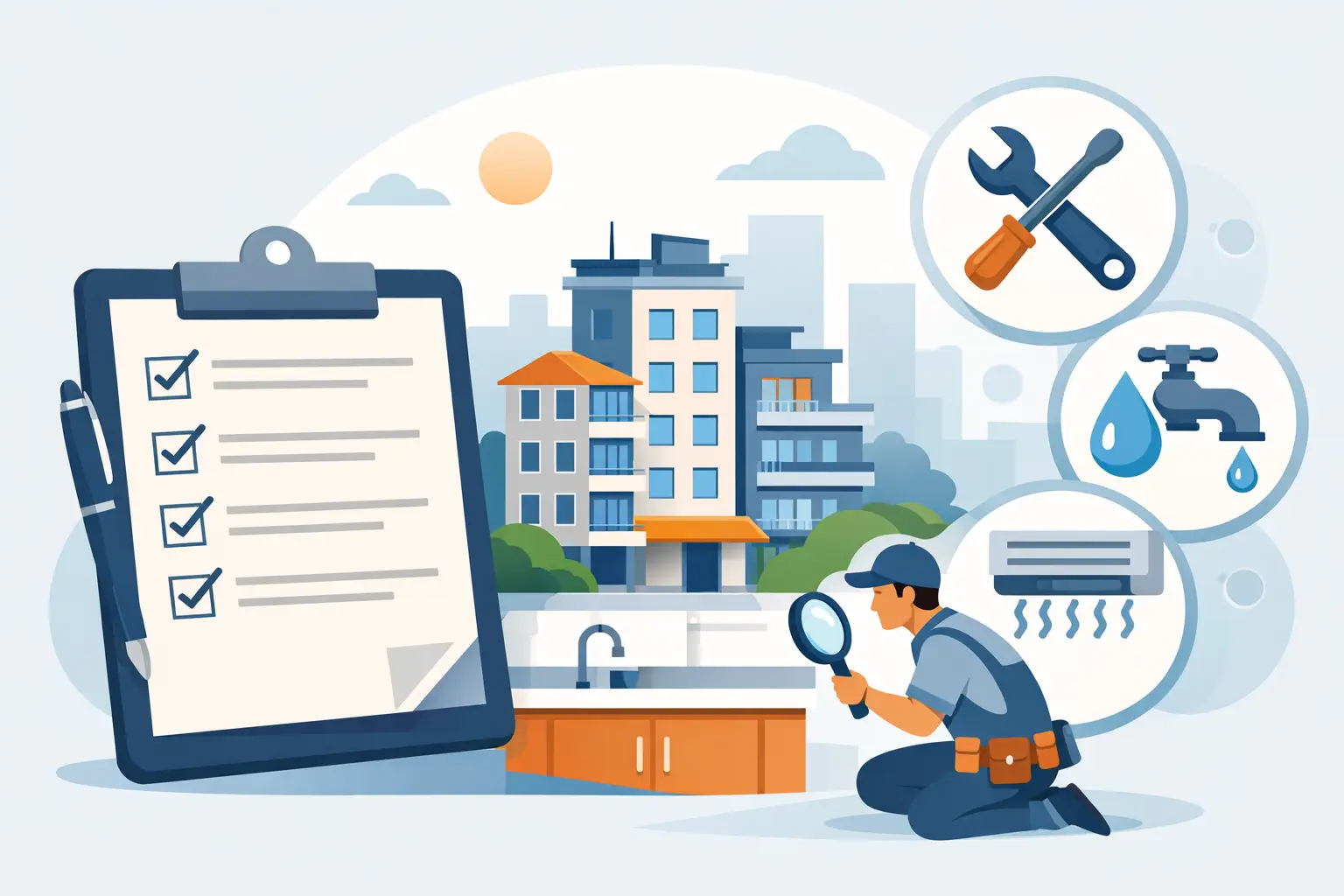
Owners often underestimate how much property management quality shows up in maintenance. Repairs are where tenant satisfaction, asset protection, and cost control all meet. If maintenance is disorganized, everything else starts to slip.
Ask who receives repair requests, how quickly tenants get a response, how vendors are selected, and when owner approval is required. You should also ask how they document work and whether they inspect issues beyond the immediate repair. Water leaks, appliance failures, and repeated complaints often point to larger patterns.
There is no perfect maintenance model for every owner. Some want tight approval control on every expense. Others want speed and predefined spending thresholds. What matters is that the system is clear. Delays caused by confusion are expensive.
Reporting should give you control, not just paperwork
A good monthly report is not there to impress you. It is there to help you understand what is happening with your asset. You should know whether rent was collected on time, whether there are open maintenance items, whether the tenant relationship is stable, and whether anything needs a decision from you.
If you own remotely, consistency matters more than fancy presentation. Clear statements, documented costs, and timely communication reduce uncertainty. That is part of what you are paying for.
The same goes for record-keeping and compliance support. Even if your property is performing well, weak documentation creates problems later, especially when disputes arise or when you start scaling into multiple units.
Fees matter, but cheap management is often expensive
Every owner asks about fees first, and that is reasonable. But management should be judged on net performance, not headline cost. A lower monthly fee can be a bad deal if it leads to longer vacancy, weaker tenant quality, poor oversight, or recurring repair problems.
Ask what is included, what triggers extra charges, and where incentives may be misaligned. Leasing fees, renewal fees, inspection fees, maintenance markups, and administrative charges can change the real cost significantly. The issue is not whether additional fees exist. The issue is whether they are transparent and tied to real work.
A manager should be able to explain how their service protects revenue and reduces risk. If they cannot connect the fee structure to outcomes, keep looking.
Communication style tells you what the relationship will feel like
Owners who live abroad need more than availability. They need responsiveness with judgment. That means updates when something matters, not silence followed by a problem.
Pay attention during the sales process. Are answers clear? Do they respond directly? Do they speak like operators who handle issues every day, or like marketers reading features from a page? The early interactions usually reflect the service you will receive after signing.
You also want clarity on who actually manages the property. In some firms, the person who wins your business is not the person handling tenants, repairs, or renewals. That is not automatically bad, but roles should be explicit. Accountability matters.
Ask for evidence of execution
When considering how to choose property manager support, one of the most useful questions is simple: what happens when things go wrong? Any company can manage an easy tenancy. The test is how they handle late payments, urgent repairs, lease breaches, or a unit that does not rent as quickly as expected.
Look for signs of process discipline. Do they have a defined escalation path? Do they intervene early? Can they explain how they protect the owner while keeping tenant issues from escalating unnecessarily?
This is where a hands-on local firm has an advantage. Problems in rental property do not wait for perfect timing. They need to be handled in real time, by people who know the market, know the vendors, and know how to keep a small issue from turning into a vacancy or legal headache.
The best fit depends on your portfolio goals
A first-time overseas buyer with one apartment may prioritize trust, communication, and basic stability. A larger investor may care more about repeatable leasing systems, reporting consistency, and acquisition support across multiple units. Both are valid, but they are not identical needs.
That is why the right manager is not always the biggest company or the cheapest one. It is the one whose operating model matches your level of involvement, risk tolerance, and growth plan.
If your goal is hands-off ownership with predictable performance, choose the team that treats management like asset stewardship, not an afterthought. In a market like Tbilisi, where local execution drives results, that difference shows up quickly. Property Management Georgia is built around that standard – protecting the asset, keeping occupancy stable, and giving owners a single accountable team on the ground.
Choose the manager you would trust to make the right decision when you are asleep, on a flight, or three time zones away. That is usually the choice that protects your return.