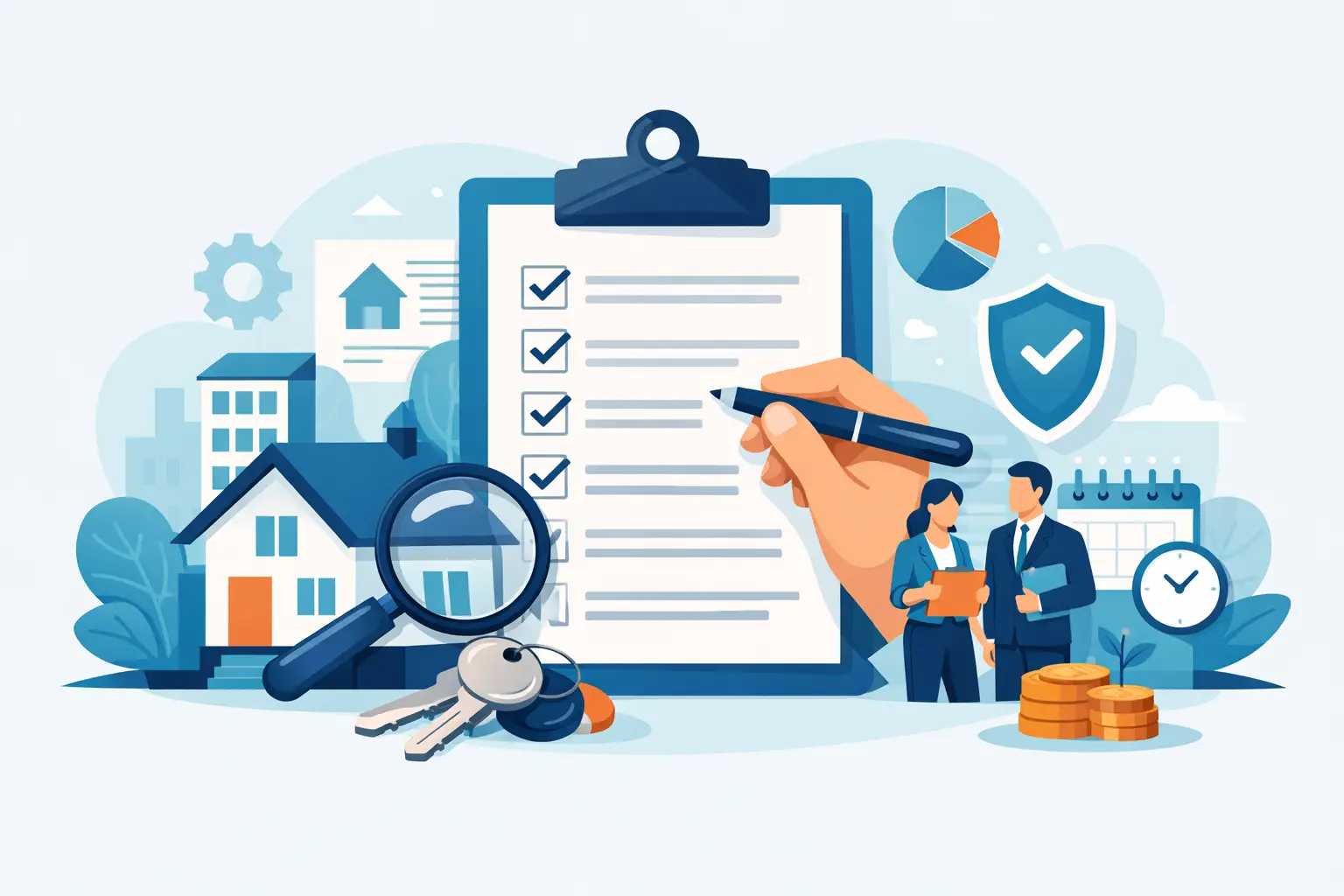
A vacant unit in Tbilisi can lose money quietly. One missed repair turns into a larger bill. One weak tenant placement can disrupt rent flow for months. That is why the best property management checklist for owners is not a nice-to-have document. It is a control system for protecting income, reducing risk, and keeping the asset performing whether you live in Georgia or manage it from abroad.
Most owners do not struggle because they lack ambition. They struggle because rental performance is decided by dozens of small operational decisions made consistently. If you own one apartment or several units, the checklist below helps you think like an operator, not just an investor.
What the best property management checklist for owners should actually do
A useful checklist should do more than remind you to collect rent and answer tenant messages. It should help you prevent the problems that erode returns before they become expensive. In practice, that means your system needs to cover leasing, tenant quality, maintenance response, financial controls, legal documentation, and reporting.
Owners often focus heavily on occupancy and underestimate execution. A full unit with the wrong tenant, poor documentation, and delayed repairs is not a success. A good checklist forces you to measure the right things: rent stability, asset condition, repair speed, clean records, and tenant retention where appropriate.
Pre-leasing checklist: get the unit ready to perform
Before marketing begins, the property needs to be rent-ready. That starts with condition, but it also includes pricing and positioning. If you set rent too high, the apartment sits. If you set it too low, you weaken yield from day one.
Start by confirming the property is clean, fully functional, and photographed properly. Test plumbing, electrical fixtures, heating and cooling systems, locks, appliances, and internet availability if relevant to the target tenant. In Tbilisi, tenant expectations can vary by neighborhood, building age, and whether the unit is aimed at local professionals, expats, or longer-stay international renters. The right prep depends on the asset class.
You also need a clear rental strategy. Will the unit compete on price, furnishings, location, or building amenities? A new-build apartment in a strong complex can often justify a better tenant profile if presented correctly. The checklist here is simple: confirm market rent, define tenant target, complete repairs, stage the unit, prepare photos, and set showing instructions.
Tenant screening checklist: protect the income before the lease starts
This is where many owner returns are won or lost. A fast lease-up feels good, but a poor tenant can cost far more than a few extra vacant days. Screening should be disciplined, documented, and consistent.
At a minimum, verify identity, income source, rental history where available, intended occupancy, and any warning signs in communication or document quality. If the tenant is relocating or foreign, standard local paperwork may not tell the full story, so you may need additional verification such as employment confirmation, advance payment structure, or stronger deposit terms. It depends on the profile.
The key is not to chase perfect tenants. It is to reject risky ones early. Owners should ask one basic question before approving anyone: does this applicant increase the probability of stable rent and fewer management issues? If the answer is uncertain, the screening process is not finished.
Lease setup checklist: remove ambiguity now, not later
A lease should support operations, not just occupancy. Too many disputes start because expectations were never spelled out clearly. Rent date, deposit amount, utility responsibilities, maintenance reporting procedures, renewal terms, inspection rights, and move-out conditions should all be confirmed before keys are handed over.
The move-in package matters just as much. Record meter readings, inventory furnishings and condition, photograph the apartment thoroughly, and document any pre-existing wear. This protects both sides. Without this step, deposit disagreements become harder to resolve and maintenance accountability gets blurred.
For remote owners, this stage is especially important. You need records that stand up even if you are not physically present when a problem occurs.
Rent collection checklist: create consistency, not monthly negotiation
Healthy cash flow depends on a process, not reminders. Owners should have a defined method for invoicing, collection, follow-up, and escalation. If tenants are unsure how or when to pay, delays become more common.
Your checklist should include confirmed payment terms, due dates, grace period if any, late fee policy if applicable, and a routine for reconciling receipts against expected rent. Every payment should be recorded clearly. If a payment is late, action should happen fast and according to policy, not emotion.
One overlooked issue is communication drift. If a tenant starts negotiating every month, operational authority weakens. Clear procedures reduce friction and preserve professionalism.
Maintenance checklist: speed matters, but judgment matters too
Maintenance is where owners feel the difference between active management and passive hope. Delayed response creates larger repair costs, frustrates tenants, and can shorten tenancy. Overreacting to every minor issue, on the other hand, can inflate costs unnecessarily.
The best property management checklist for owners separates urgent issues from routine ones. Water leaks, electrical hazards, lock failures, and heating problems need immediate attention. Cosmetic touch-ups or minor wear can usually be grouped into scheduled service. You need approved vendors, response timelines, spending thresholds, and a process for documenting work completed.
For furnished apartments, inventory control is also part of maintenance. Confirm what was supplied, what is damaged, and what qualifies as normal use versus tenant-caused damage. Small ambiguities here become recurring profit leaks.
Inspection checklist: catch problems before they become expensive
Inspections are not about micromanaging tenants. They are about protecting the asset. A property that looks fine in photos can still hide moisture issues, unauthorized occupants, poor housekeeping, or appliance misuse.
Set a schedule for routine inspections and stick to it within lease terms and local rules. During each inspection, check walls, floors, bathrooms, windows, ventilation, appliances, safety items, and any signs of neglected upkeep. Compare current condition against your move-in record.
Owners with multiple units benefit from standardizing this process. The same form, the same photo categories, and the same follow-up notes make portfolio oversight much easier. If you own remotely, inspection reporting is one of the few ways to maintain real control over asset condition.
Financial reporting checklist: know the truth behind the rent number
Gross rent alone does not tell you how the property is performing. You need timely reporting that shows collected rent, vacancies, maintenance costs, management fees, one-time leasing expenses, and net income. Without that, it is easy to think an apartment is working harder than it really is.
A strong reporting checklist includes monthly statements, receipt tracking, repair logs, outstanding balances, and year-end records organized for tax and planning purposes. Owners should also review trends, not just single months. Is maintenance rising? Are renewals stable? Is one building underperforming compared with the rest of the portfolio?
This is where hands-on local management becomes valuable. Good reporting does not just tell you what happened. It shows where performance is slipping and where action is needed.
Compliance and documentation checklist: boring, but expensive to ignore
Every rental operation has paperwork owners would rather avoid until something goes wrong. That is exactly why this category matters. Keep signed leases, tenant identification records, deposit records, inspection reports, maintenance invoices, payment history, and key communication in one organized system.
If a dispute arises, missing records weaken your position quickly. If an owner decides to sell, refinance, or expand, incomplete documentation slows everything down. Cross-border investors are especially exposed here because they often assume someone else is keeping track. That assumption can get expensive.
Portfolio review checklist: think beyond one lease cycle
A good owner does not just ask, “Is the unit occupied?” The better question is, “Is this asset still aligned with my return goals?” At least a few times a year, step back and review the bigger picture.
Look at occupancy trends, tenant quality, recurring repairs, building reputation, rent growth potential, and whether the unit still matches your target strategy. Some apartments are excellent long-term holds. Others may need repositioning, renovation, or a different leasing approach. If you are acquiring additional units, compare actual operating performance against the assumptions used when buying.
This is one reason many remote investors prefer a local operator with both leasing and investment visibility. A management team should not only keep the property running. It should help you understand whether the asset is moving your portfolio forward.
When owners should stop self-managing
There is no prize for handling everything yourself if the result is weaker returns. Self-management can work for owners who are local, available, organized, and comfortable with tenant issues. It becomes much harder when you live overseas, own multiple units, or want predictable systems instead of constant interruptions.
The breaking point usually shows up in one of three ways: tenant screening gets rushed, maintenance decisions get delayed, or record-keeping becomes inconsistent. Once that happens, the asset starts managing you. For many owners in Tbilisi, especially international buyers, the better move is to put local execution in the hands of a team built for it. That is the operating mindset behind firms like Property Management Georgia.
The best checklist is the one you can actually enforce. If your rental process depends on memory, spare time, and late-night messages across time zones, it is not a system. It is a risk. Build a checklist that protects the property, supports the tenant relationship, and keeps your returns from being eaten away by preventable mistakes.