A vacant month, one underpriced lease, and a single avoidable repair can wipe out much of a year’s expected return. That is why a rental income optimization example matters most when you look past headline rent and focus on what owners actually keep. In Tbilisi, especially for remote investors, better performance comes from a series of operating decisions that raise income, limit downtime, and control risk.
A rental income optimization example for Tbilisi
Take a one-bedroom apartment in a newer Tbilisi development purchased as a long-term rental. The owner lives abroad and wants steady income, not daily involvement. On paper, the unit should perform well. In practice, the first year often slips because the property is listed late, priced based on guesswork, shown inconsistently, and handed to the first tenant who can move in fast.
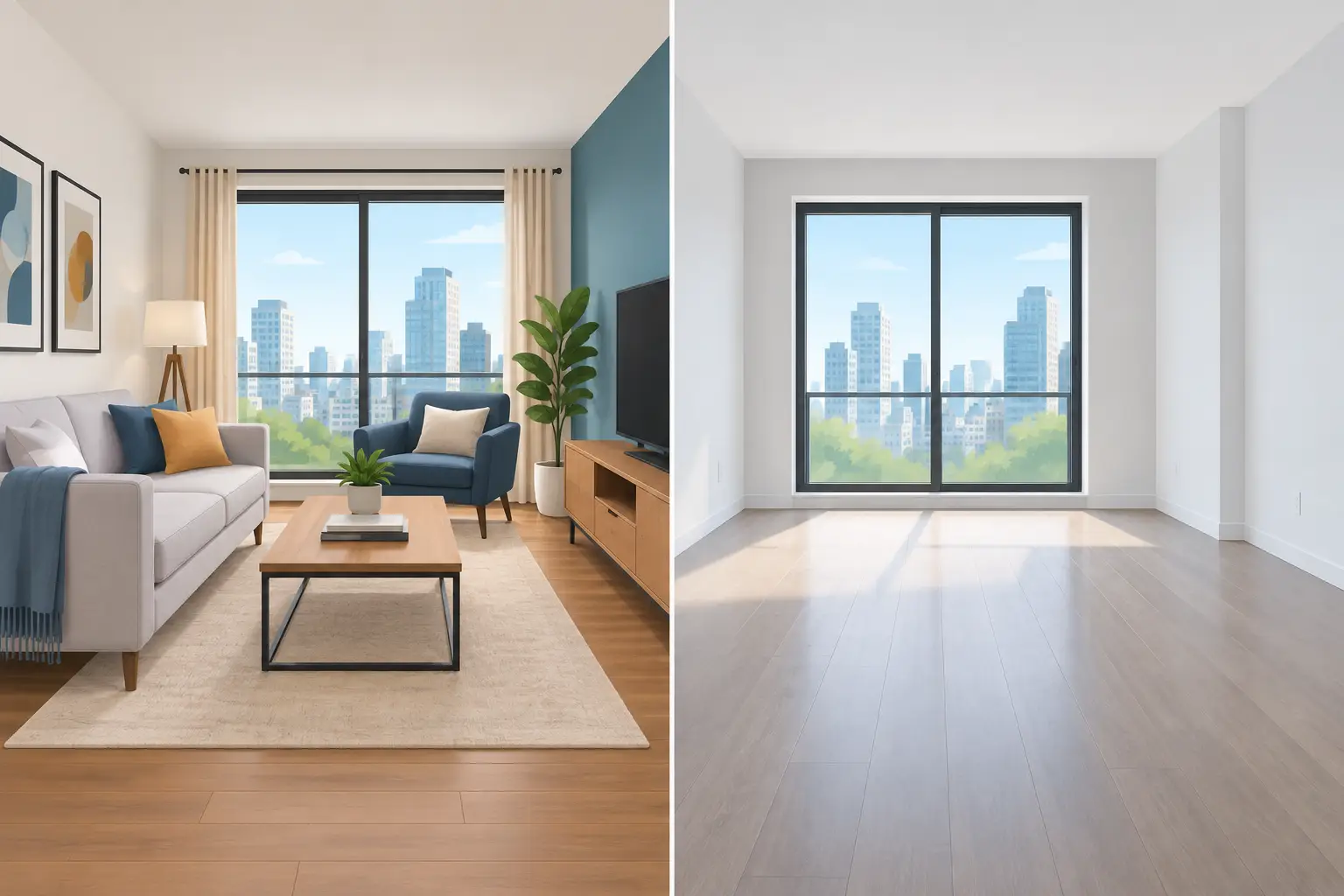
Now compare that with an owner who treats the apartment like an operating asset. The unit is prepared before marketing starts. Rental pricing is set against current demand in the micro-area, not last year’s asking prices. Tenant screening is disciplined. Maintenance is handled before small issues become expensive ones. The result is not dramatic in one line item, but it is meaningful across the full year.
Here is a simple operating comparison.
Scenario A: Passive self-management
The owner targets monthly rent of $700. The apartment sits vacant for six weeks between tenants because the listing photos are weak and showings are hard to coordinate remotely. The next tenant is approved with limited screening to avoid more vacancy. During the lease, late payments become common, and a plumbing issue grows into a larger repair because no one addresses it quickly.
Annual gross scheduled rent looks like $8,400. Actual collected rent is lower after vacancy, delayed payments, and a partial loss from tenant issues. Add in higher repair costs and the owner’s real income ends up far below expectations.
Scenario B: Managed for performance
The same apartment is priced at $680 instead of $700 because current demand supports faster placement at that level. It leases in ten days, not six weeks. The tenant is fully screened for payment reliability and fit. Rent collection follows a system. Minor repairs are handled early. Lease renewal is discussed well before expiry so the next step is planned instead of reactive.
On paper, the monthly rent is lower. Over the year, the owner often nets more because occupancy is stronger, arrears are reduced, and maintenance stays controlled. That is the real lesson in any rental income optimization example: higher asking rent does not always mean higher annual income.
Where optimization actually happens
Most owners first think about rent increases. That matters, but it is only one lever. In Tbilisi’s residential market, income performance usually improves through five areas working together: pricing, occupancy speed, tenant quality, maintenance discipline, and lease continuity.
Pricing for real occupancy, not wishful rent
A common mistake is pricing from owner expectations instead of current leasing velocity. If comparable units are advertised at a certain level but sitting too long, that is not market rent. It is unsold inventory. A slightly lower asking price that fills the unit quickly can outperform an aggressive price that creates a long gap between tenants.
This is especially relevant in buildings where multiple near-identical apartments compete at once. In those cases, a unit that is clean, professionally presented, and realistically priced often wins first. That first-mover advantage protects annual income.
Faster leasing reduces invisible losses
Owners usually notice lost rent when a unit is vacant. They notice less often the secondary costs of vacancy: extra utility consumption, repeated cleaning, rushed tenant selection, and the pressure to accept poor lease terms just to get someone in. Every unnecessary week off-market reduces flexibility.
Optimization means preparing the unit before it becomes vacant, not after. If the current lease is ending, renewal discussions, inspection planning, touch-up work, photography, and listing strategy should already be lined up. Execution speed is part of yield management.
Tenant quality protects more than rent
A tenant who pays on time, communicates clearly, and respects the property is not just convenient. That tenant directly supports returns. Lower wear and tear, fewer disputes, smoother renewals, and more predictable cash flow all improve the owner’s annual result.
This is where many remote investors take the biggest avoidable risk. A fast placement with weak screening can look efficient for a month and become expensive for a year. Employment checks, income review, rental history, and practical fit all matter. So does local judgment. Not every application problem shows up on paper.
Maintenance timing changes the math
Reactive maintenance is expensive maintenance. A loose fixture, a moisture issue, or an appliance warning sign is cheaper to handle early than after tenant frustration builds and damage spreads. In rental housing, delayed action usually costs twice – once in repairs and once in tenant satisfaction.
Good management treats maintenance as income protection. The point is not to over-improve every unit. The point is to fix what affects habitability, retention, and asset condition before it turns into vacancy or major expense.
Why remote owners lose income without seeing it
Many overseas investors track only two numbers: purchase price and monthly rent. That is too narrow. The real performance picture includes days vacant, collection consistency, repair frequency, renewal rate, and how much owner time is spent chasing basic operations.
For a local owner, a delayed showing is annoying. For an overseas owner, it can mean several lost prospects and another month of vacancy. For a local owner, coordinating a plumber is inconvenient. For a remote owner in a different time zone, it can mean tenant dissatisfaction, poor workmanship, and no follow-up. Distance does not just create hassle. It creates financial drag.
That is why hands-on local execution matters more than theory. An apartment in Tbilisi does not produce better returns because the owner reads market updates. It performs better when someone on the ground moves quickly, screens carefully, and solves problems before they spread.
A better way to evaluate return
If you want to optimize rental income, judge the property on annual net performance, not advertised monthly rent. Ask practical questions. How many days was the unit vacant? How much rent was actually collected on time? How much was spent on avoidable repairs? Did the tenant renew? How much owner intervention was required?
This usually changes decision-making fast. Owners stop chasing the highest possible asking rent and start focusing on stable occupancy. They stop treating maintenance as an expense to postpone and start treating it as a tool to preserve income. They stop measuring management by whether problems happened and start measuring it by how quickly problems were resolved.
What this looks like in real operations
In a well-run portfolio, optimization is not one big move. It is consistent control over small but valuable details. Listings go live on time. Showing response is fast. Applicant review follows a standard. Lease terms are clear. Payment follow-up is immediate. Vendors are coordinated locally. Records are kept clean. Nothing is left to memory or goodwill.
That operational structure is what turns a single apartment into a repeatable investment model. It is also what gives portfolio owners confidence to buy again. When the first unit is managed properly, the second and third become much easier to evaluate because performance is built on process, not luck.
For many investors entering Tbilisi, that is the real shift. They do not need more market noise. They need a local operator who can protect the asset, keep the unit occupied, and remove the friction that slowly erodes return. Property Management Georgia is built around that job – maximizing returns while reducing the day-to-day risks owners should not have to manage from abroad.
The practical takeaway from this rental income optimization example
If your apartment is underperforming, the cause is rarely just rent level. More often, it is a chain of small leaks: slow leasing, weak screening, inconsistent follow-up, delayed repairs, and no clear renewal plan. Fixing those issues can improve annual income without changing the asset itself.
The best-performing rentals are usually not the ones with the boldest asking price. They are the ones managed with discipline. When every month counts, steady execution beats optimistic assumptions every time.
If you want stronger rental returns in Tbilisi, start by looking at the gaps between expected income and collected income. That is where the real opportunity usually sits.