
A tenant sends a message at 2:10 a.m. The water heater stopped working, water is pooling near the bathroom door, and you are six time zones away trying to decide whether this is urgent, overpriced, or both. That is the real problem behind how to manage repairs remotely in Tbilisi. It is not just about finding a handyman. It is about protecting rental income, avoiding preventable damage, and making fast decisions without being physically present.
For overseas owners, repair management is where remote investing either becomes efficient or starts leaking money. Tbilisi offers strong rental demand and attractive entry points, but maintenance still needs local execution. Good repair systems keep tenants in place, preserve the unit, and stop small issues from turning into vacancy, disputes, or expensive restoration work.
How to manage repairs remotely in Tbilisi without losing control
The first mistake remote owners make is treating every repair as a one-off event. That approach creates delays, inconsistent pricing, and confusion about who approved what. A better model is to run repairs as an operating system with clear reporting, response times, vendor standards, and spending rules.
Start with categories. Emergency issues need immediate action. Water leaks, power failures, gas-related concerns, broken entry doors, and major heating failures cannot wait for a long approval chain. Urgent but non-emergency issues, like a faulty washing machine or blocked drain, still need fast handling but may allow time for a quote and review. Cosmetic items can be grouped and handled efficiently between tenancies or during scheduled visits.
This matters because not every problem deserves the same speed or the same budget. If you react emotionally to every tenant message, costs climb. If you move too slowly, damage spreads and tenant satisfaction drops. The right balance is fast escalation for true risk and controlled approvals for everything else.
Build a local repair process before the first issue happens
If you own rental property remotely, the repair process should exist before the tenant moves in. Waiting until something breaks usually means paying more and accepting whoever is available.
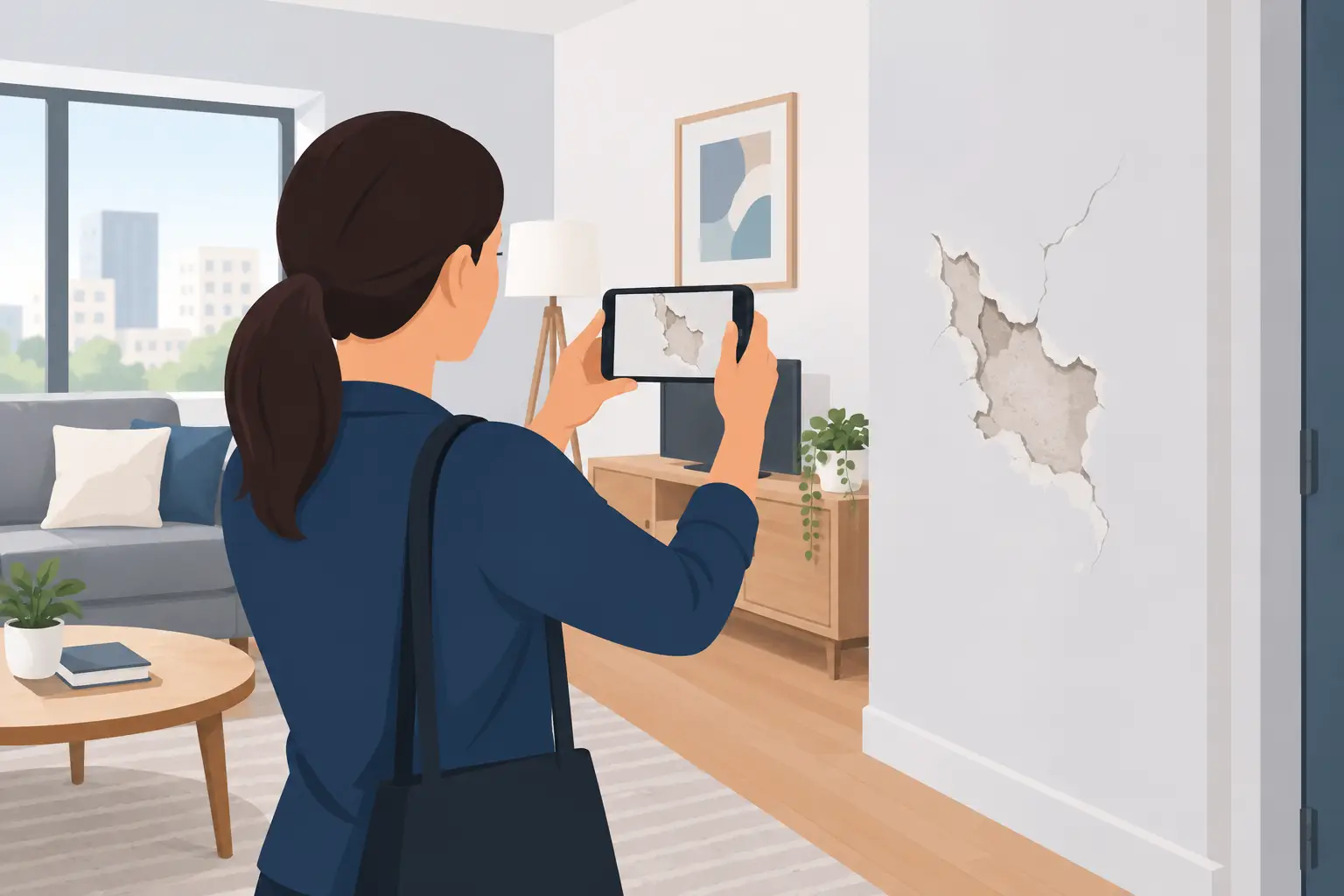
You need three things in place from the start: a reliable reporting channel, a trusted vendor network, and a written approval policy. Tenants should know exactly where to report issues and what details to include. Photos, videos, timestamps, and a short description of the problem save time and reduce back-and-forth. If reports come through scattered text messages, missed calls, and chat apps, response quality suffers.
Vendor coverage matters just as much. In Tbilisi, repair quality varies widely by trade, building type, and neighborhood. New-build apartments may have recurring issues with fixtures, sealants, appliances, or installation quality. Older units may bring plumbing, wiring, and moisture-related problems. You do not need dozens of contractors, but you do need dependable people for plumbing, electrical work, appliance repair, lock replacement, painting, and general handyman jobs.
The approval policy is what keeps you in control without slowing everything down. Set a spending threshold in advance. For example, emergency work can proceed immediately up to an agreed limit, while larger repairs require one or two quotes and owner sign-off. That removes hesitation during a live issue.
What good remote repair management actually looks like
Strong repair management is not just about fixing things. It is about documentation, accountability, and speed.
When a tenant reports a problem, the first step is triage. Is the issue causing active damage, creating a safety concern, or affecting habitability? If yes, the local team should dispatch help fast and update you with the situation, expected cost range, and next steps. If not, they should confirm the issue, gather photos or a site check if needed, and assign the right contractor.
Next comes scope control. Many remote owners get vague updates like “plumber visited” or “issue fixed,” which is not enough. You want to know what failed, what was repaired or replaced, whether the issue may return, and whether there is any wider building-related risk. That level of reporting protects you when the same issue appears again or when a tenant disputes the timeline.
Payment control also matters. A cheap fix is not always the right fix. If a leaking connection is patched three times instead of properly replaced, you have not saved money. You have delayed a bigger bill. On the other hand, not every repair justifies a full replacement. Good operators know when to repair, when to replace, and when to escalate to the building administration or developer.
Common repair risks for remote owners in Tbilisi
Tbilisi rental units have some recurring maintenance patterns, especially in apartments used for long-term leasing. Plumbing leaks are high on the list, often from under-sink fittings, water heaters, washing machines, or poorly sealed wet areas. These are the most dangerous issues to manage slowly because water damage spreads into flooring, cabinetry, neighboring units, and common areas.
Electrical issues are another area where remote owners should be careful. Loose outlets, breaker trips, poor appliance connections, and amateur modifications can create safety concerns. This is not the place to save a small amount by using an unqualified technician.
There is also the tenant communication risk. Some tenants underreport problems because they do not want disruption. Others overreport minor items because they expect hotel-style responsiveness. A local manager filters that noise, verifies the issue, and keeps the relationship professional. That protects both the asset and the tenancy.
Seasonality plays a role too. Heating and moisture concerns become more urgent in colder months. Cooling issues matter more in summer, especially in furnished apartments where tenant expectations are higher. Remote owners should expect repair demand to shift through the year rather than staying flat.
How to keep repair costs predictable from abroad
If you are asking how to manage repairs remotely Tbilisi investors should focus less on chasing the lowest invoice and more on building cost predictability. The real financial win comes from fewer emergencies, faster response, and less tenant turnover.
Routine inspections help. Even one structured inspection can catch slow leaks, damaged grout, appliance wear, loose hardware, and ventilation problems before they become bigger claims. Preventive maintenance is not glamorous, but it is far cheaper than restoration after neglect.
Standardizing your unit also helps control spend. If every apartment has different appliances, fixtures, lock types, and paint finishes, every repair becomes slower and more expensive. Investors with multiple units should keep replacement items as consistent as possible. It speeds up sourcing and reduces decision fatigue.
Reserve planning is another simple move that remote owners often skip. Set aside a maintenance reserve based on the unit type, age, and furnishing level. A newer apartment may need less in structural repairs but more in appliance and finish touch-ups if it is actively rented. An older apartment may need deeper periodic upgrades. Either way, repairs should come from a planned operating budget, not from panic spending.
The case for having one accountable local team
Remote repair management breaks down when too many people touch the process. The tenant messages you directly. You ask a friend for a plumber. The building administrator recommends someone else. Nobody owns the timeline, and nobody wants responsibility if the repair fails.
That is why one accountable local team usually performs better than an owner trying to coordinate everything from abroad. The point is not to remove your visibility. The point is to centralize execution. One team handles intake, triage, vendor dispatch, access, quality checks, photo reporting, billing records, and tenant follow-up.
For owners who want hands-off operations with tighter control, this is where a professional manager earns their fee. A company like Property Management Georgia is not just forwarding messages between tenant and contractor. The value is local oversight, faster decisions on the ground, and a system that protects income while reducing avoidable risk.
When to approve fast and when to slow down
Not every repair deserves the same decision style. Approve fast when delay increases damage, creates a safety issue, or risks losing a good tenant over a basic habitability problem. Slow down when the repair is elective, the quote looks inflated, or replacement is being recommended without a clear diagnosis.
There is also a middle ground. In some cases, the fastest answer is a temporary fix followed by a proper repair once parts, access, or additional quotes are available. That approach works well when the immediate risk can be contained. It works poorly when the temporary fix becomes the permanent habit.
Remote owners do best when they define this logic in advance rather than improvising during every incident.
A rental property in Tbilisi does not need your constant attention, but it does need local control. If your repair process is clear, documented, and backed by people who can act quickly on site, distance stops being the problem. The goal is simple: keep the unit performing, keep the tenant supported, and keep small issues from becoming expensive lessons.